
Diving at Providencia, a Colombian pearl in the Caribbean Sea.
You really can't go more remote in Colombia. If you look at the map, you really shouldn't be looking at Colombia. Off Nicaragua, like a green pinhead in an endless blue haystack, the green peaks of Providencia seem to push themselves up out of the clear blue Caribbean Sea.
“ You really can’t get much more remote than this in Colombia ”
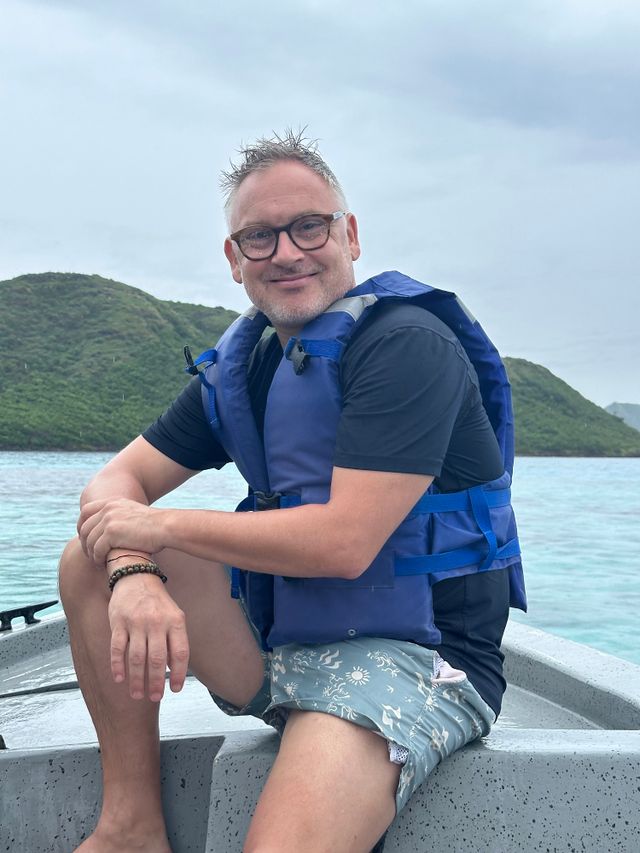
From Bogotá, I travel on a domestic flight of about two hours to the also Colombian island of San Andrés. Providencia and its sister island Santa Catalina form an archipelago together with San Andrés. However, Providencia and Santa Catalina are still a long way from San Andrés. In fact, after arriving on the latter island, I still have to fly about 40 minutes further on a small propeller plane. Also, geologically, Providencia and Santa Catalina are completely different from San Andrés. Whereas San Andrés, formed by a coral bank, is flat, Providencia and Santa Catalina are formed by volcanoes and therefore very mountainous and green. However, one of the common denominators is that the population is generally creole, with English being the main language, although Spanish is also widely spoken. The other commonality is that the islands are surrounded by some of the best and most pristine diving in South America. And it is for the latter in particular that I set out for Providencia
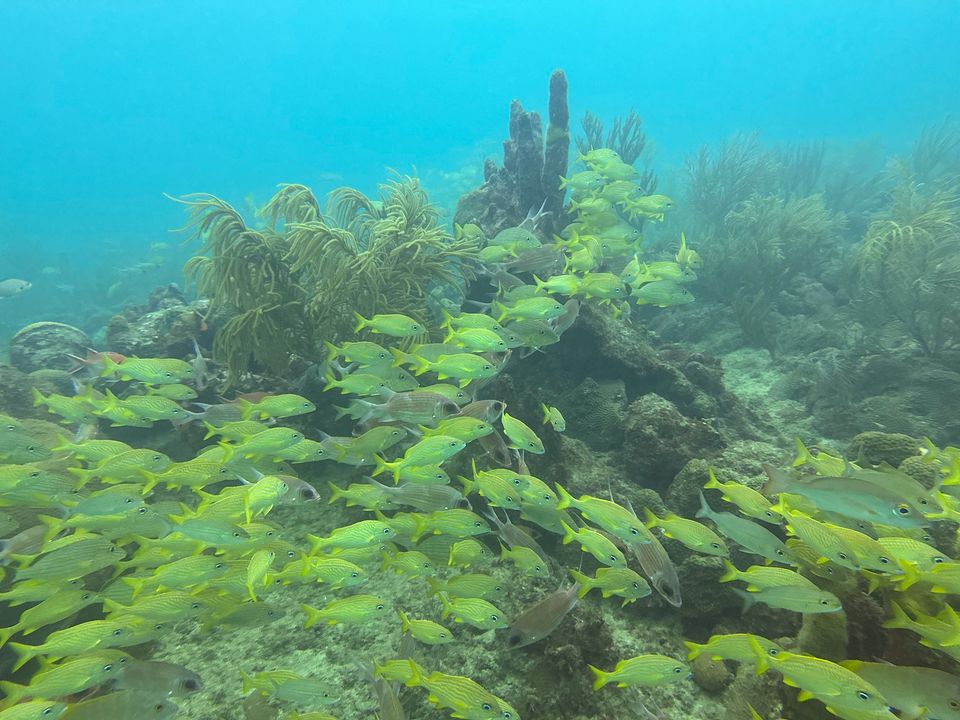
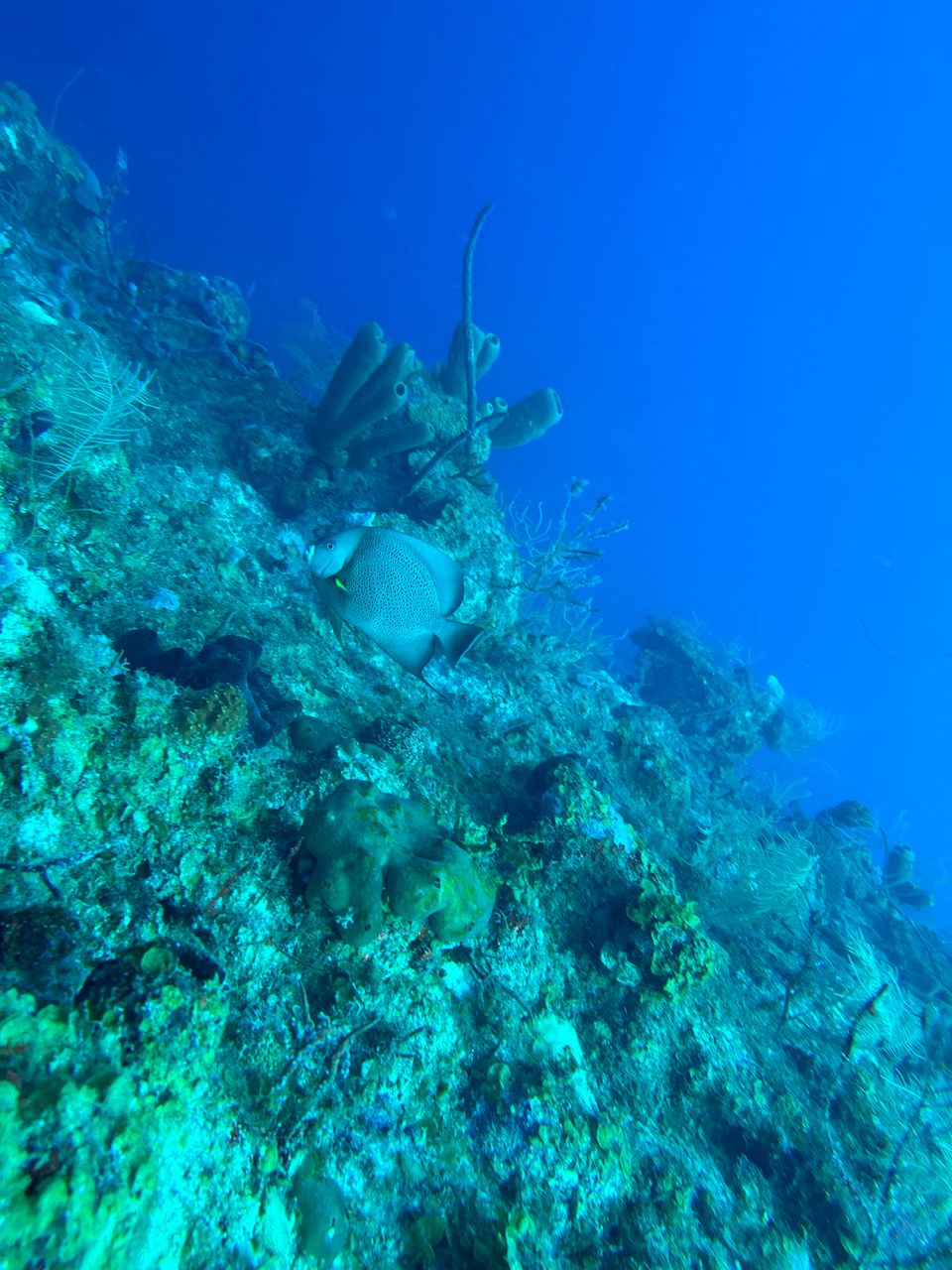
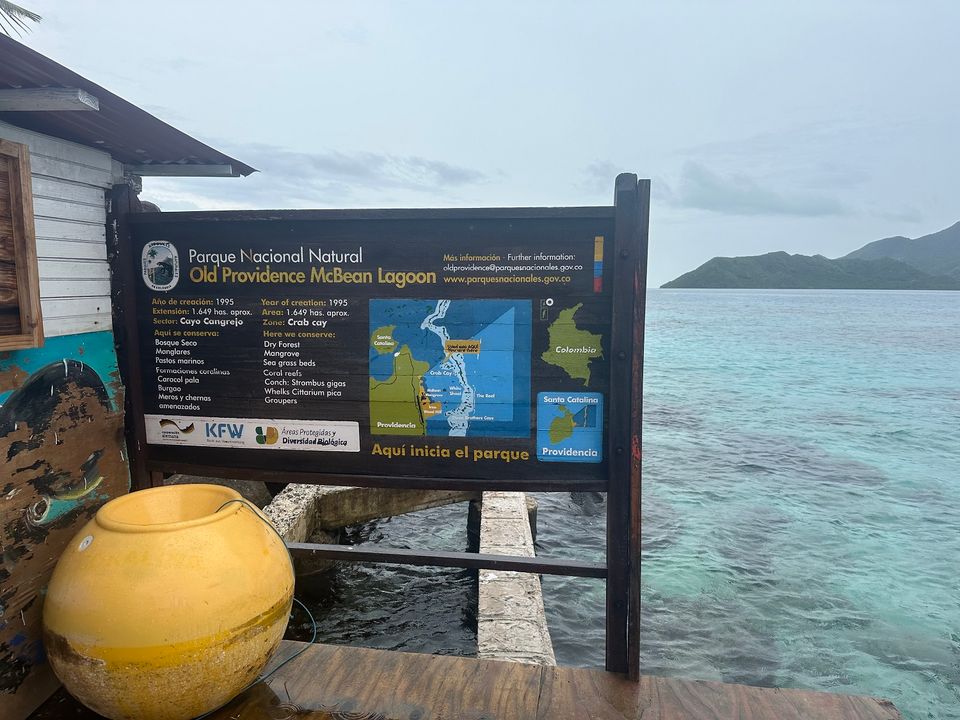
Providencia is surrounded by healthy coral reefs. Among other things, you can see the very rare arrow coral in abundance here. A healthy reef also means an abundance of fish and other aquatic animals, and in this respect we are very much spoilt for choice. Not for nothing are the waters surrounding this archipelago listed as a national marine park and natural world heritage site by UNESCO.
A healthy reef really not only makes for enchantingly beautiful dive sites, but much more importantly, healthy reefs are of eminent importance for life on our planet. Whereas rainforests such as the Amazon are considered the green lungs of our earth, coral reefs are actually considered the blue lungs of our planet. It is therefore also of great importance to protect these reefs.
The trip I’m on has been organised by Caroline Vanegas, a good friend of mine, who runs trips to these islands through her organisation, Paradis de Colors. The aim is not only to share the stunning natural beauty and culture with people, but also to invest part of the proceeds in a coral reef restoration project and a conservation project for turtle species – such as the hawksbill, green and leatherback turtles – which lay their eggs on the beaches of Providencia.
In 2020, Hurricane Lota devastated virtually the entire island. Most residents lost their homes. Not only the residents, but also the natural environment, including the coral reefs, were severely affected. Carolina’s initiative is therefore of great importance, and we at Sapa Pana Travel wholeheartedly embrace it.

Diving on Providencia
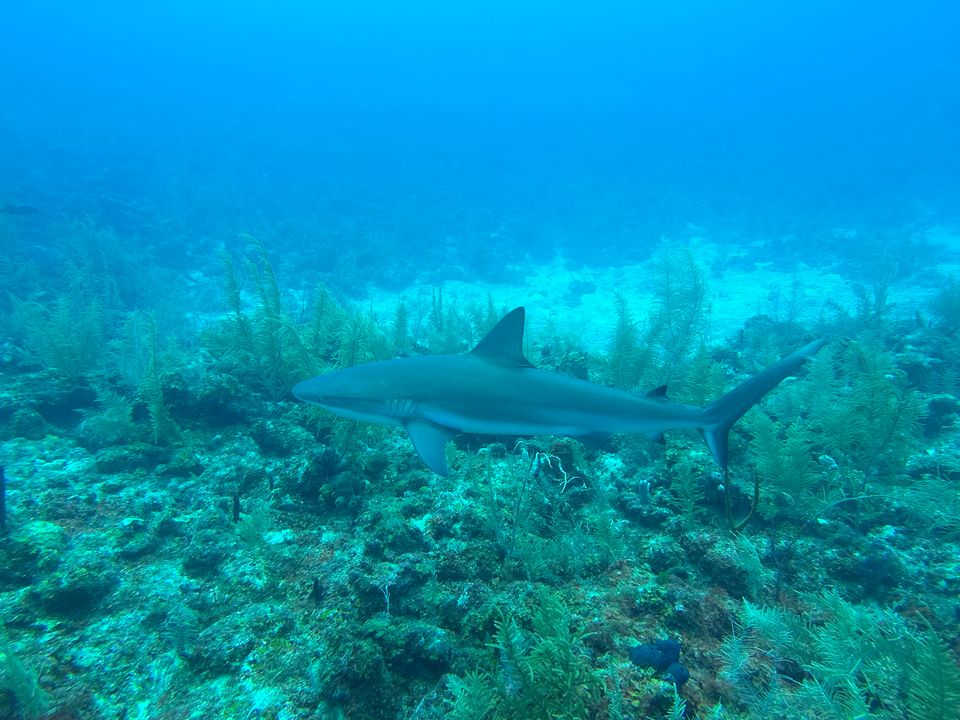
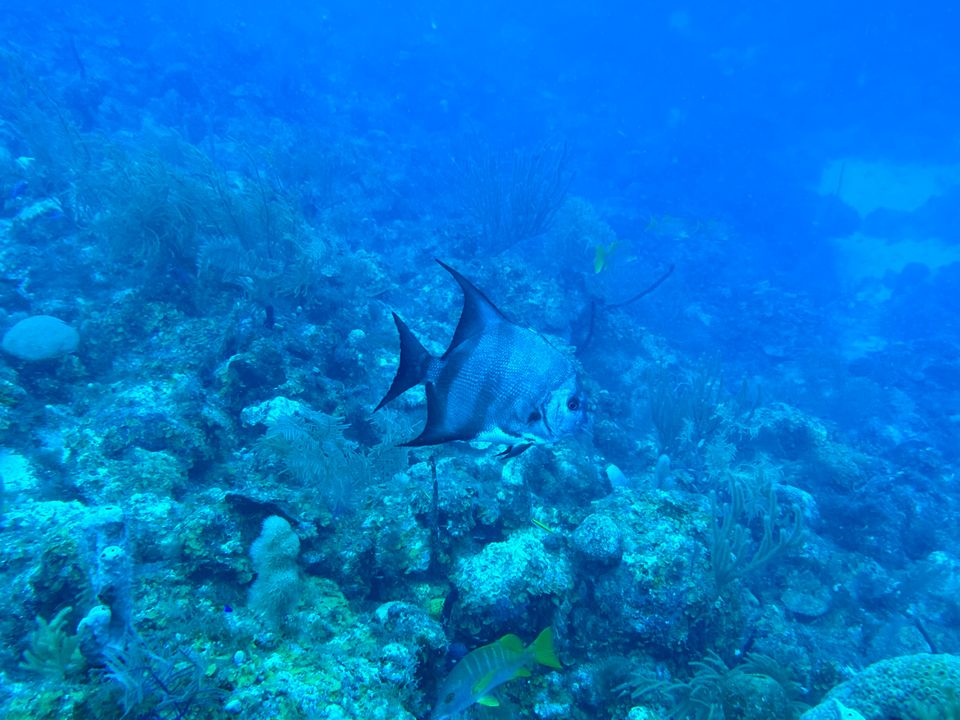
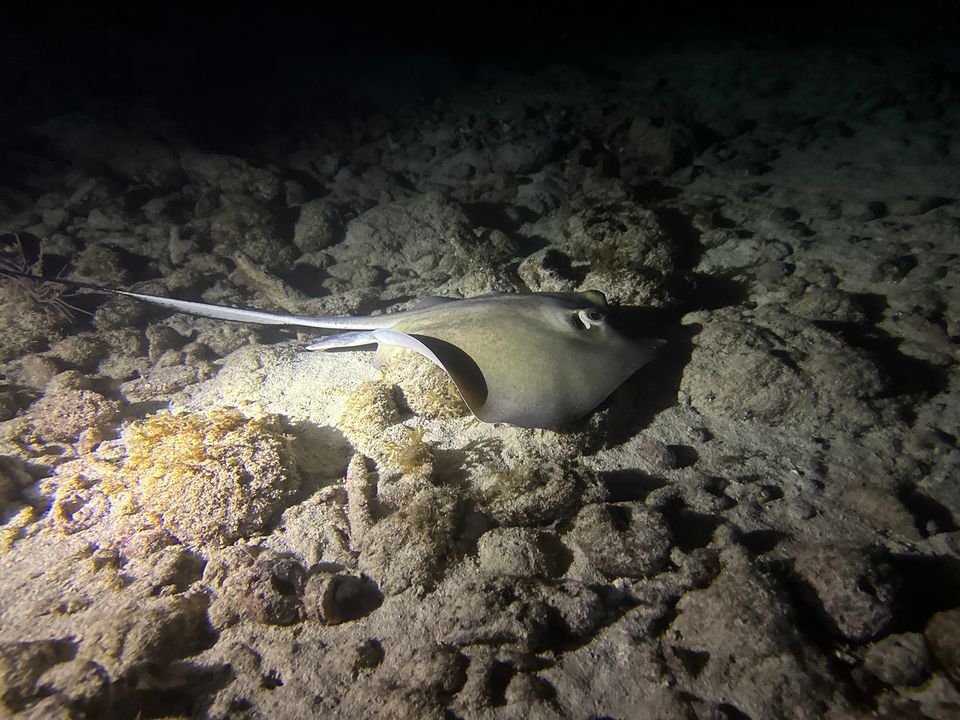
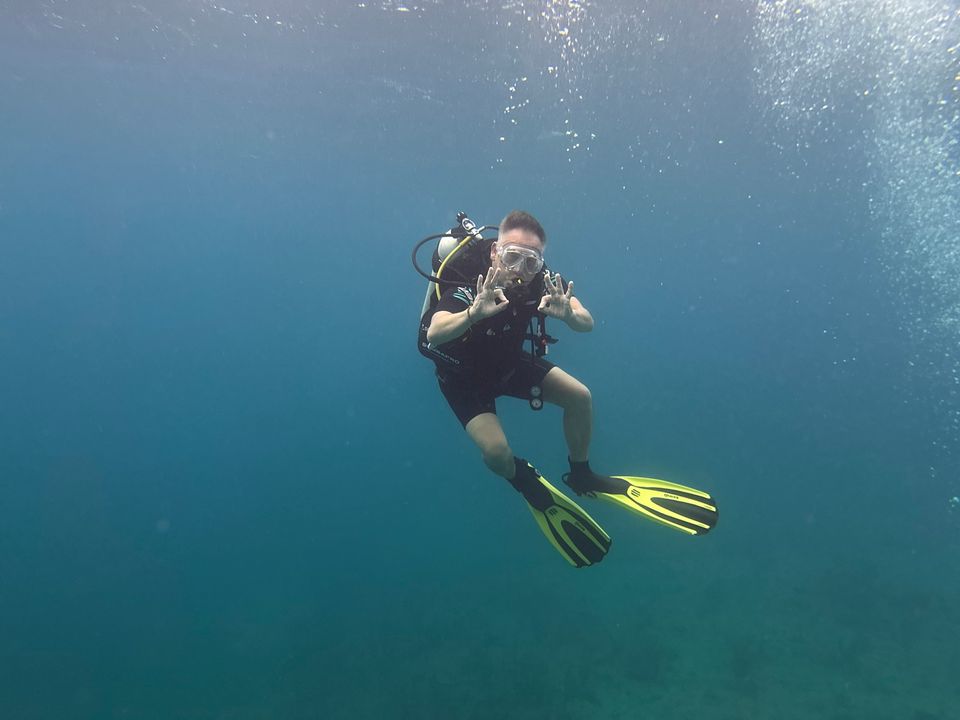
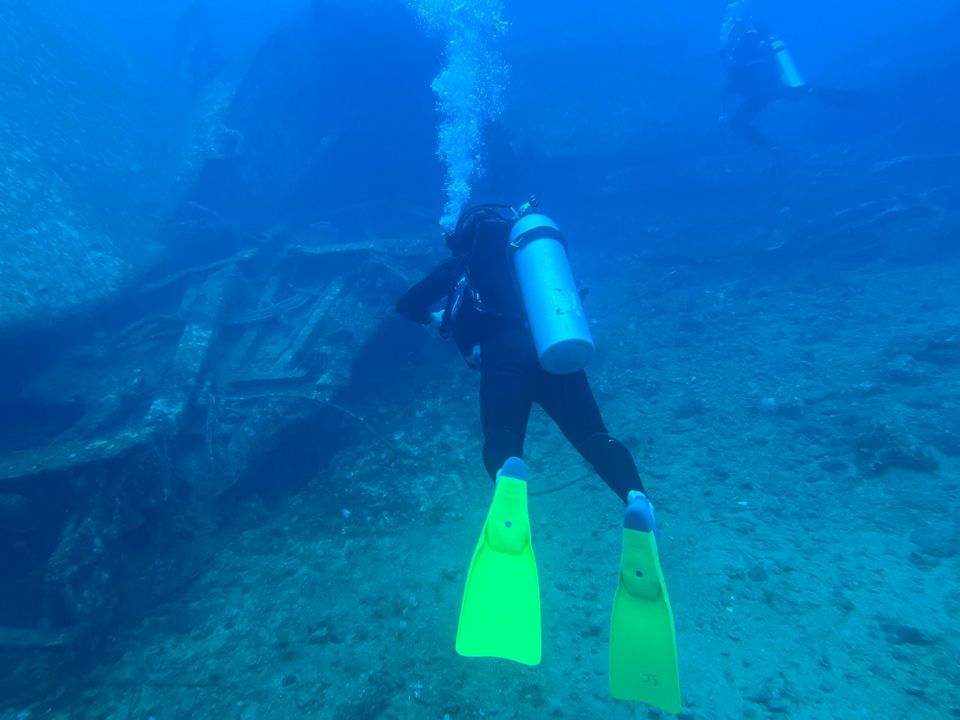
I made a total of seven dives, including one night dive. The dive sites were actually all no more than 15 minutes' boat ride from shore. We made dives at Piedra Tortuga and Mantas Place, where we saw many beautiful brightly coloured fish, as well as many reef sharks, barracudas and stingrays. At El Planchon, we saw the wreck of a German warship that found its Waterloo here in World War II.
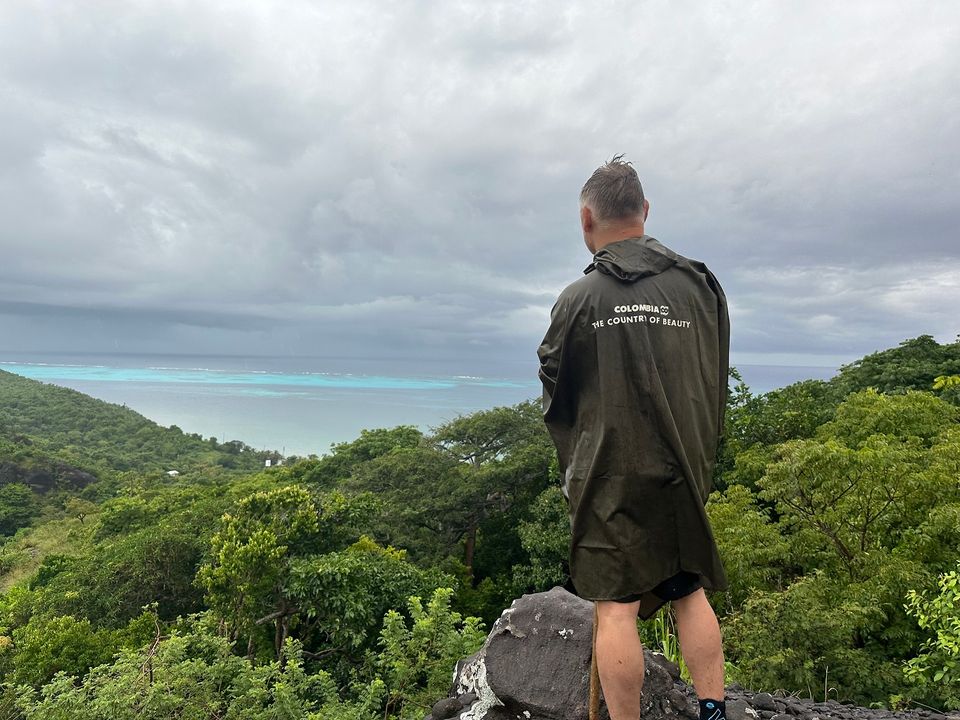
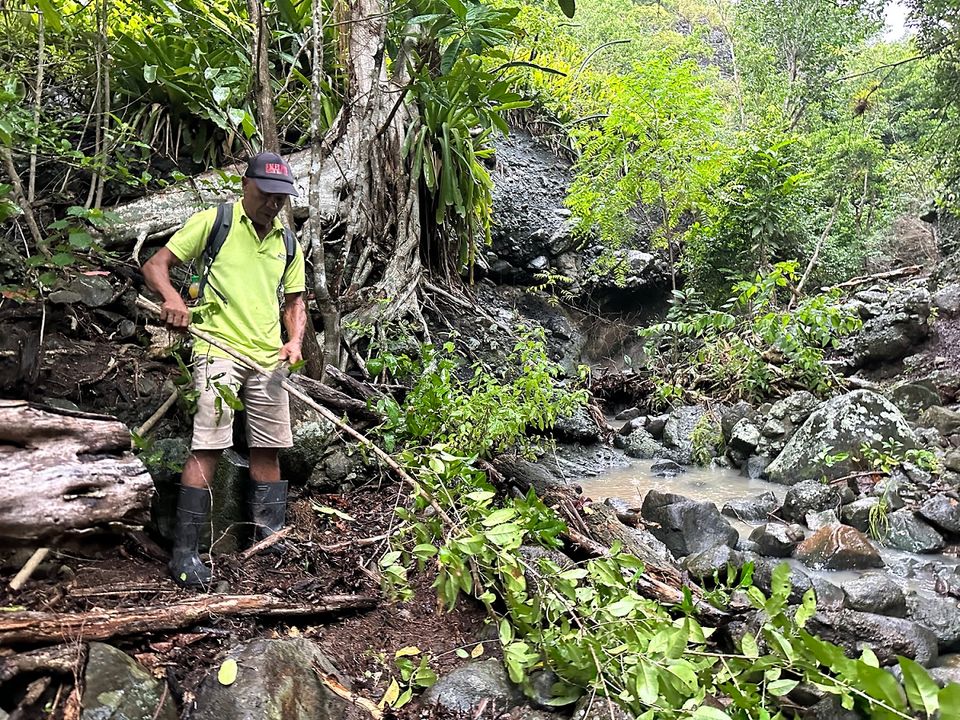
In the days I visited Providencia, I not only dived but also went on a beautiful trekking trip. Unfortunately, due to bad weather, climbing El Pico, the highest point on the island, was not possible. Instead, we took a beautiful walk through nature to Manzanillo beach and South West Bay.
My tips for Providencia
General
- Make sure you stay for at least 5 days. The journey there is quite long, as you always have to change flights in San Andrés.
What’s more, you’ll obviously have to wait 24 hours before flying again after you’ve been diving. - Hire a scooter to explore the island. In an hour or two you will have driven around the whole island.
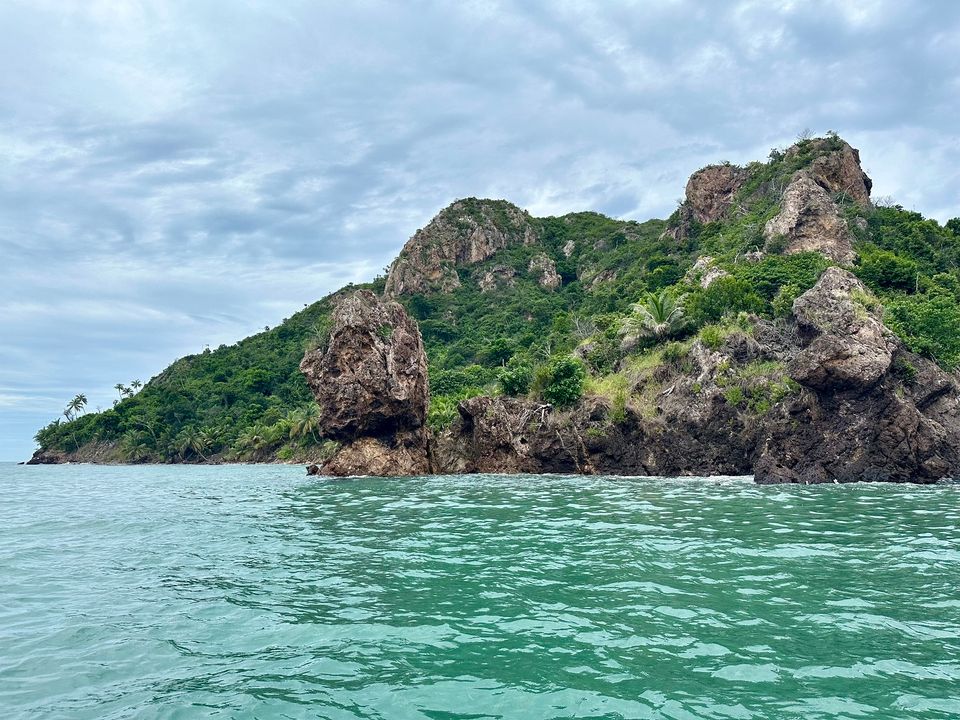
- Take a boat trip around Providencia, stopping at Cayo Cangrejo. Here you can snorkel and from the tip of the islet you have a great view of Providencia
- Enjoy a beautiful sunset at South West Bay
Food and drink
- Eat a bite at Miss Julia restaurant on Playa Manzanillo.
- Have a cocktail at the Roland Roots Reggae Bar.
- Go for fresh fish at Albert's Place, accompanied by a cold beer!
- Donde Martin, a cosy place for a good snack and drink. There is often live music on Saturday evenings.
Overnight
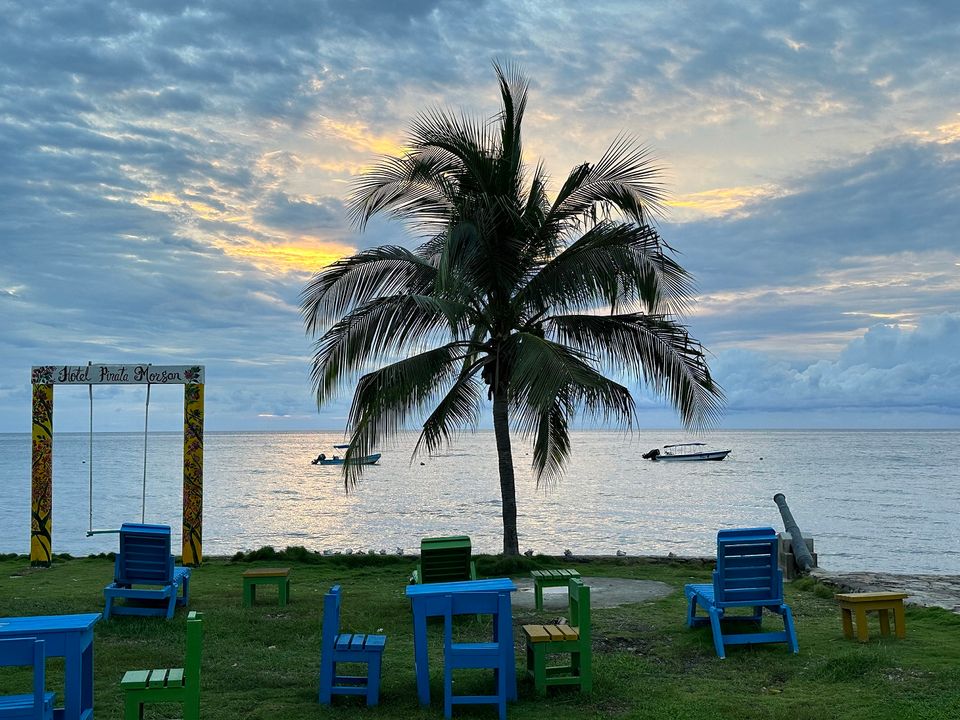
I stayed at Hotel Pirata Morgan, a simple hotel on Fresh Water Bay, but with incredibly friendly staff. It’s always spotlessly clean and the food is delicious.
Within walking distance of this hotel is Donde Martin, the restaurant I recommended earlier.
Practical information for visiting Providencia
Climate
Providencia has a tropical climate with average temperatures between 27°C and 29°C.
From January to April, there is little rainfall and plenty of sunshine. This is the best time for diving and beach activities due to the calm waters and good underwater visibility. From May to November, there is more rain, with peaks in October and November. Although there are still dry spells, the sea can be rougher, resulting in poorer underwater visibility. Diving is still possible, but it depends on the weather conditions and currents.
How do I get to Isla Providencia?
To reach Providencia, you can take a flight to San Andrés. There are direct flights from major cities such as Bogotá, Medellín, Cali and Cartagena. From San Andrés, it’s then about a 40-minute flight in a small propeller plane, or you can take a ferry to Providencia, which takes around 3 hours.
Taking a trip through Colombia
Would you like to travel through Colombia yourself and visit this beautiful location? Feel free to contact us for more information on the possibilities for Colombia or a tailor-made travel proposal. Call +31 73 610 62 04 or send an email to info@sapapanatravel.nl.