
Carretera Austral
Travelling along one of the most beautiful routes in the world.
"Driving is the ultimate way to discover a country like Chile. This is certainly true of the Carretera Austral in southern Chile, known as Chile’s most beautiful route and one of the most beautiful routes in the world. As well as unspoilt landscapes, you’ll find crystal-clear rivers and imposing glaciers, and you’ll wind your way through mountain ranges and valleys through the most remote areas of Chile."
Discover the Carretera Austral
-
Hike to the Hanging Glacier
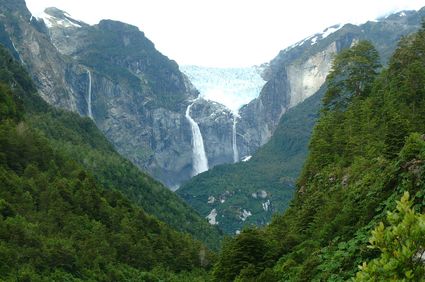
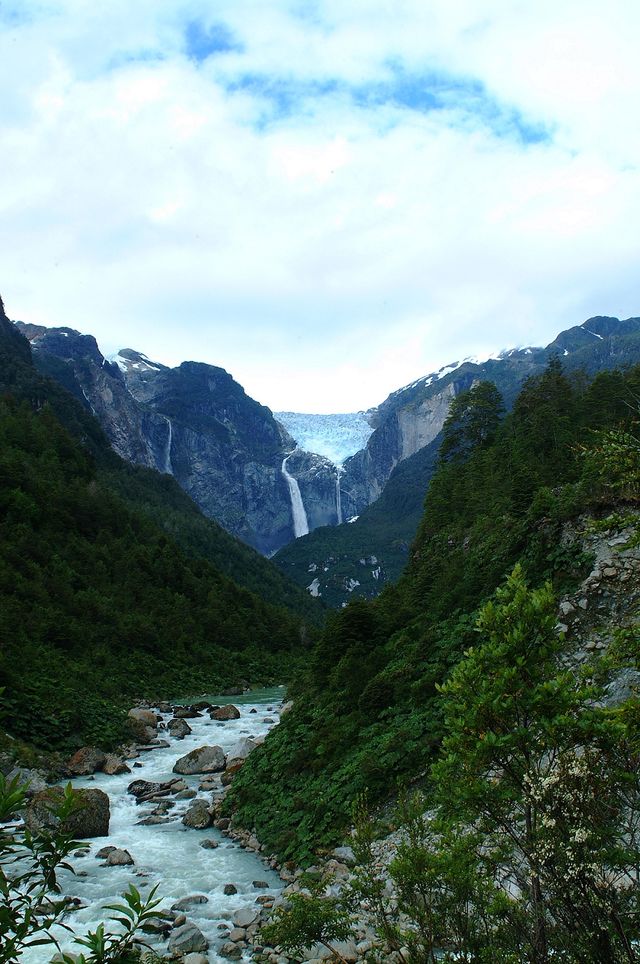
One of the most remarkable glaciers along the Carretera Austral can be found in Queulat National Park. After a beautiful nature walk, you’ll arrive at the mirador, which offers stunning views of the ‘Ventisquero Colgante’, a glacier that hangs over the steep rock faces of the mountain range.
-
Natural beauty at the Marble Caves
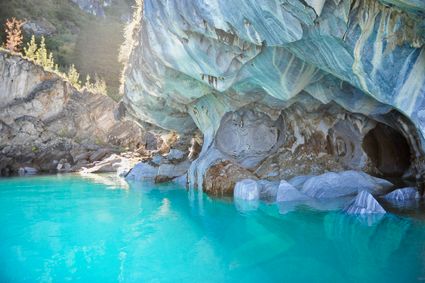
Set out onto Lake General Carrera by boat, kayak or catamaran and marvel at the extraordinary natural phenomenon of the Catedrales de Mármol. With colours ranging from white to blue to grey, it is a remarkable sight that you will never tire of.
-
Visit unspoilt nature reserves
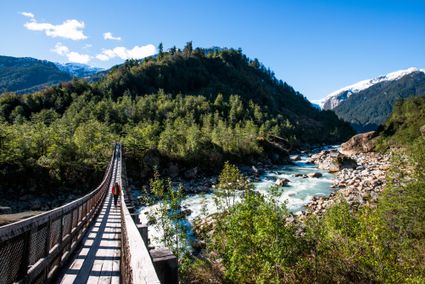
Along the entire length of the Carretera Austral lie various (often unspoilt) national parks, including the Pumalín Douglas Tompkins National Park, the Queulat National Park, the Cerro Castillo National Park and the Patagonia National Park. These and other national parks showcase the unspoilt wilderness of Patagonia. The parks offer a range of walking trails and other activities.
-
Cross the border into Argentina
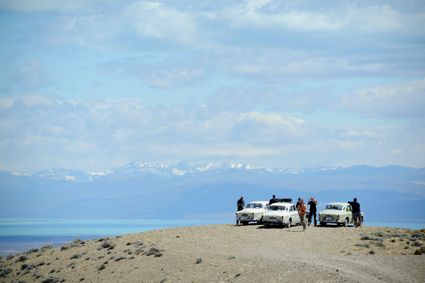
It is well worth crossing the border into Argentina from time to time whilst on a road trip through Chile. The mountain passes in particular are often breathtakingly beautiful. Crossing the border is generally very quick, and by driving through Argentina and Chile, you’ll experience a great variety of landscapes and natural scenery in a short space of time. In the south, this allows you to discover both the Chilean Carretera Austral and the Argentine Ruta 40 – two of the most beautiful driving routes in the world – during a single road trip.
-
Luxury accommodation along the way
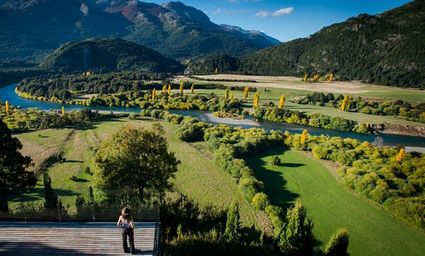
If you’re travelling through southern Chile by car, you can stay at the Uman Lodge along the way. The lodge is situated on a mountain peak and offers views of the point where two rivers meet. The rest of the surrounding area is characterised by deep-blue glacial lakes, lush green valleys, dense forests and majestic mountain peaks covered in eternal snow. A unique location where luxury and adventure come together.
The Carretera Austral
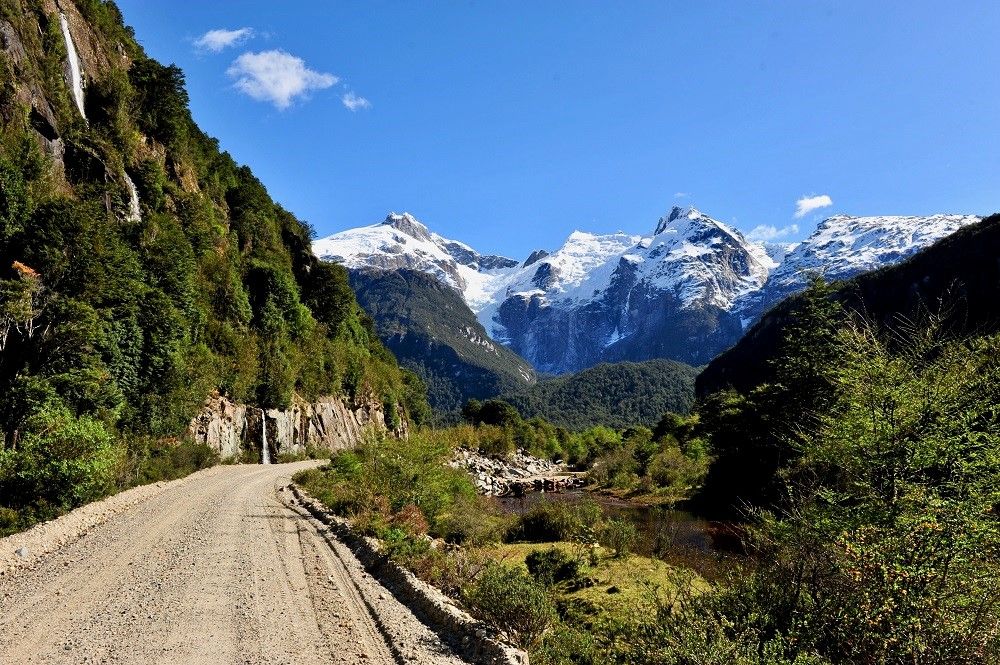
The Carretera Austral is a legendary route in southern Chile that stretches for some 1,240 kilometres through remote yet breathtaking landscapes. The route starts in Puerto Montt and ends in Villa O’Higgins, and consists of a mix of tarmac and unpaved roads. Along the way, you’ll be treated to snow-capped mountains, crystal-clear rivers, vast forests and breathtaking fjords; the variety of landscapes is immense! You’ll pass through various national parks and nature reserves. Due to the rugged terrain and fairly remote location, facilities along the route are limited; however, there are small towns and villages where you can find basic amenities. These include petrol stations, small supermarkets, (simple) accommodation and places to eat. These villages often consist mainly of traditional wooden houses.
The Carretera Austral is a major transport route that better connects the south of the country with the rest of Chile, but it is also a key route for tourism in the region. Travellers from all over the world are drawn here for the landscapes, the natural surroundings or for activities such as hiking, mountain biking or kayaking.
A number of side roads off the Carretera Austral are also well worth exploring, such as the road to Futaleufú, the road in the south through the Chacabuco Valley, or the route to Chilechico, which runs along the southern shore of Lake General Carrera. In the tailor-made tour we put together for you, we always include these kinds of side roads and interesting places.
History
Construction of the Carretera Austral began in the 1970s under President Pinochet’s regime, with the aim of better connecting the remote areas of southern Chile with the rest of the country. Until 1976, the Aisén region was an impenetrable, mountainous and rugged area featuring lakes, volcanoes and dense, overgrown forests. The route was known as Ruta 7, which later became the Carretera Austral. It was not until 1996 that the village of Puerto Bungay was reached, and Villa O’Higgins was not reached until 2003. Due to the rugged terrain, excessive rainfall and the area’s isolation, the construction of the road posed a major technical challenge. Bridges had to be built over rivers, and roads had to be laid through dense forests and over mountains. Even today, more than 60 per cent of the entire route remains unpaved. Since the road was built, the government has carried out maintenance work on a regular basis and has extended or improved sections of the route.
Car type
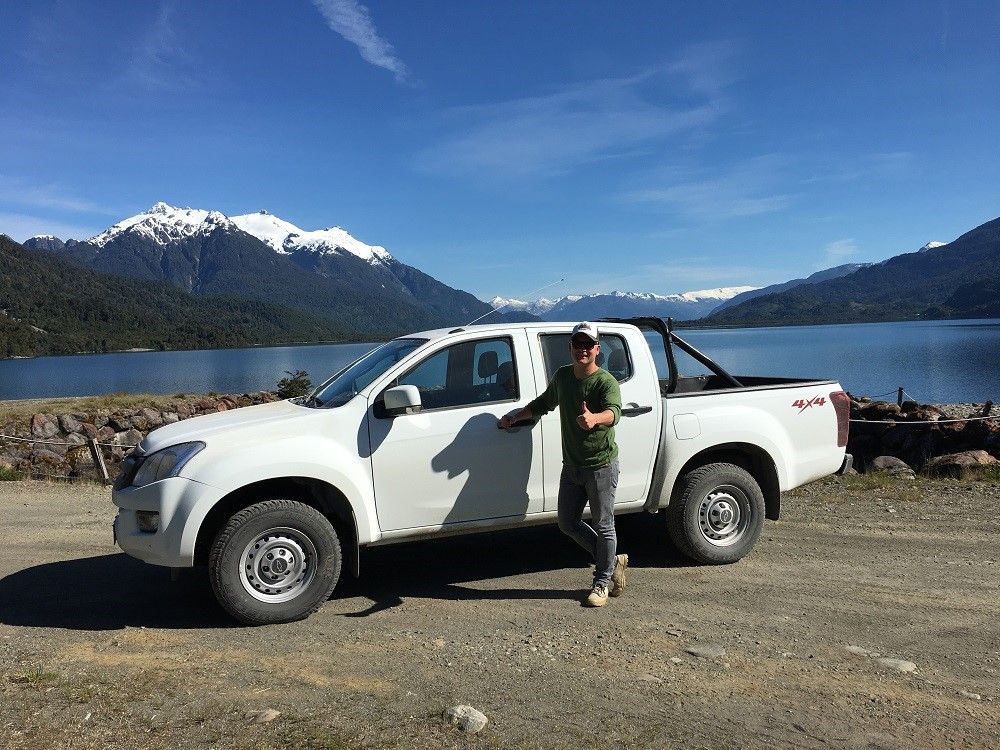
Generally speaking, it is recommended to hire a car suitable for driving on rough terrain and unpaved roads. We always provide an SUV for this route, although you will rarely need four-wheel drive. A car with higher ground clearance is ideal, given the bumpy and uneven terrain, as this makes it easier for the car to manoeuvre over rocks and potholes. In addition, a reliable and robust vehicle is advisable, as you will sometimes be covering longer distances and there are few garages or service points along the route. Popular models include the Toyota Hilux/Land Cruiser, Ford Ranger and Chevrolet Colorado. We always work in consultation with our local partner to provide the most suitable vehicle type for the current conditions along the route.
Places of interest
There are numerous interesting places and sights along the route, some of which we have highlighted below:
Pumalín Douglas Tompkins Park
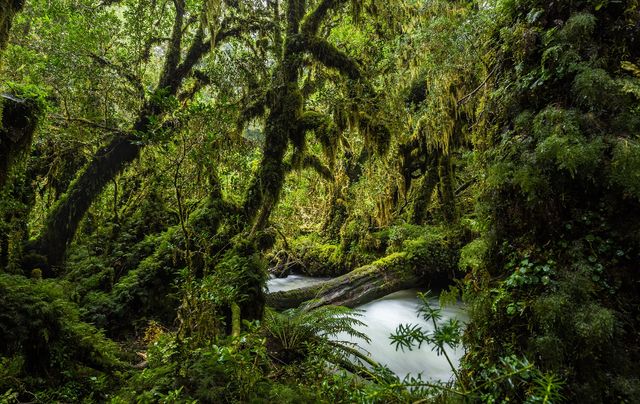
Pumalín National Park is situated in the Los Lagos and Aysén regions and was founded by the American entrepreneur and later conservationist Douglas Tompkins and his wife Kris McDivitt Tompkins. Their organisation, Conservación Patagónica, aims to preserve the wild natural environment in southern Chile. The National Park covers an area of more than 400,000 hectares and encompasses a diverse landscape of fjords, forests, mountains and lakes. The park is renowned for its unspoilt wilderness and diverse ecosystems. Rare plant species and wildlife can be found here; among others, pumas and the Andean condor inhabit the National Park. The vast temperate rainforest is also vital to the region’s ecology.
Although Pumalín National Park has a strict policy and places emphasis on sustainable tourism and supporting local communities, there are plenty of opportunities for outdoor activities: there are marked walking trails and campsites where visitors can enjoy unspoilt nature. If you’d like to visit this vast private park, please remember to respect nature and minimise your impact on the environment.
Queulat National Park
Queulat National Park is situated in the Aysén region, approximately 180 km south of Coyhaique (the capital of the Aysén region). The park is best known for its landscapes featuring mountains, valleys, fjords, glaciers and vast forests. The park’s most iconic feature is the Queulat Hanging Glacier, also known as the ‘Ventisquero Colgante’. This is a glacier that hangs over the steep rock faces of the Queulat mountain range. To reach the viewpoints offering stunning views of the hanging glacier, follow the Mirador Ventisquero Colgante route.
Queulat National Park is home to native trees such as lengas and coihues, as well as various animal species, including the Andean condor and the Magellanic parakeet.
As well as hiking, the park offers a range of other activities, such as boat trips or kayaking on the lakes and fjords within the park. Queulat National Park has several entrances and visitor centres where you can obtain information about various routes and activities.

Cerro Castillo National Park
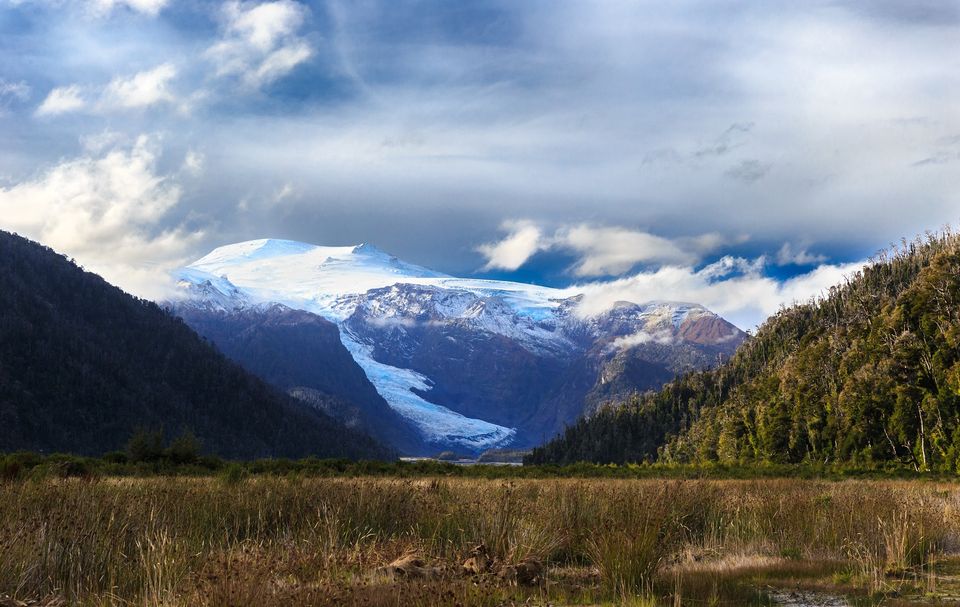
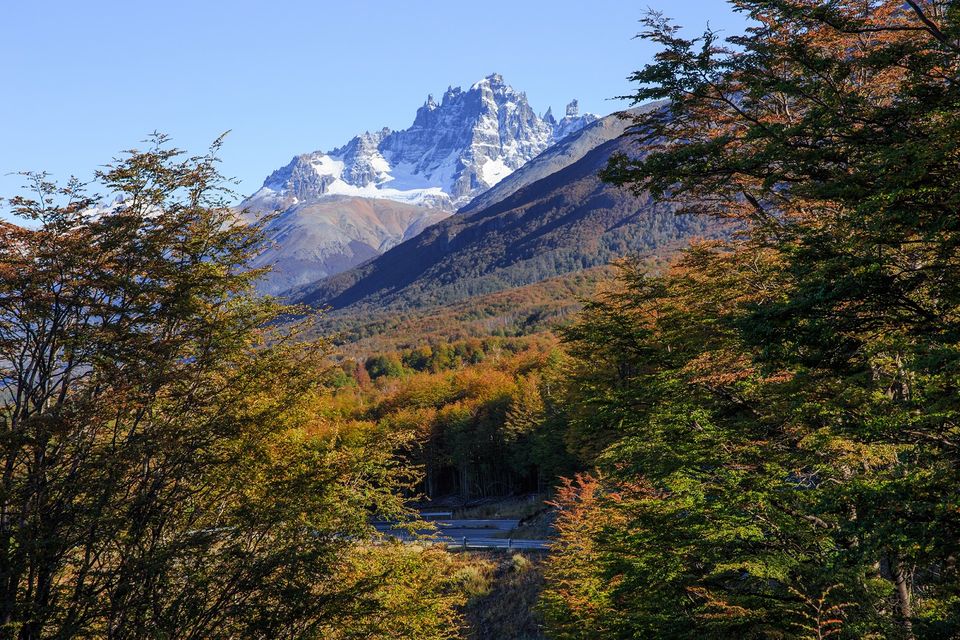
Cerro Castillo National Park is also situated in the Aysén region, in the province of Coyhaique. The park lies approximately 75 km south of the town of Coyhaique. The park is renowned for its spectacular and rugged landscape, the most striking feature of which is the imposing peak of Cerro Castillo. This mountain range features steep cliffs and dramatic granite peaks. As well as the Cerro Castillo mountain range, the park is home to beautiful lakes, rivers, vast forests and meadows. As in a number of other national parks in this region, animals such as pumas, Andean condors and guanacos can be found here. It is an ideal area for walking, offering both short and longer walks. A popular route is the trek to Laguna Cerro Castillo, a beautiful mountain lake at the foot of the peak of the same name. Before visiting Cerro Castillo National Park, it is advisable to stop by the visitor centre for more information on walking routes, any accommodation options and, most importantly, safety guidelines.
Marble Cathedrals
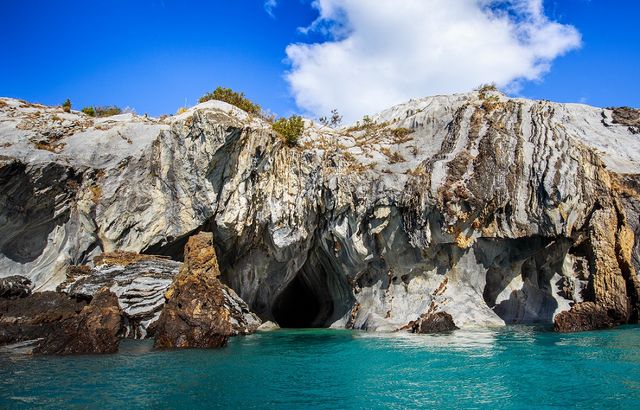
The Catedrales de Mármol, also known as the Marble Caves, are situated in Lake General Carrera, which stretches across the border between Chile and Argentina.
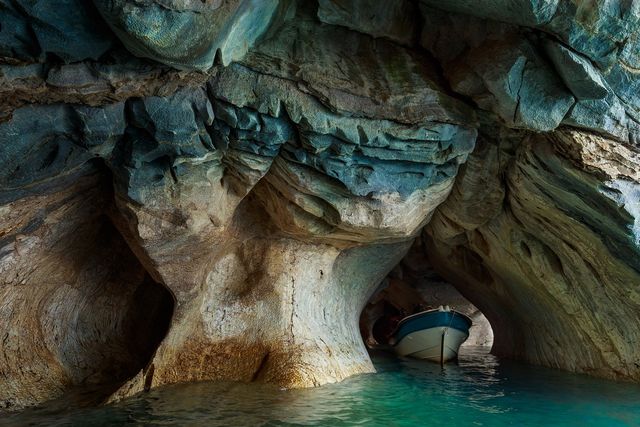
These Marble Caves are a natural formation of marble and limestone, shaped by centuries of erosion of the limestone and marble by the lake’s water. This has created these impressive caves, arches and columns along the lake’s shoreline. The colours range from white to blue to grey, depending on the water level and the angle of the light.
The caves can be visited by boat, kayak or catamaran. Departure points are usually from nearby villages, such as Puerto Río Tranquillo.

Laguna San Rafael National Park
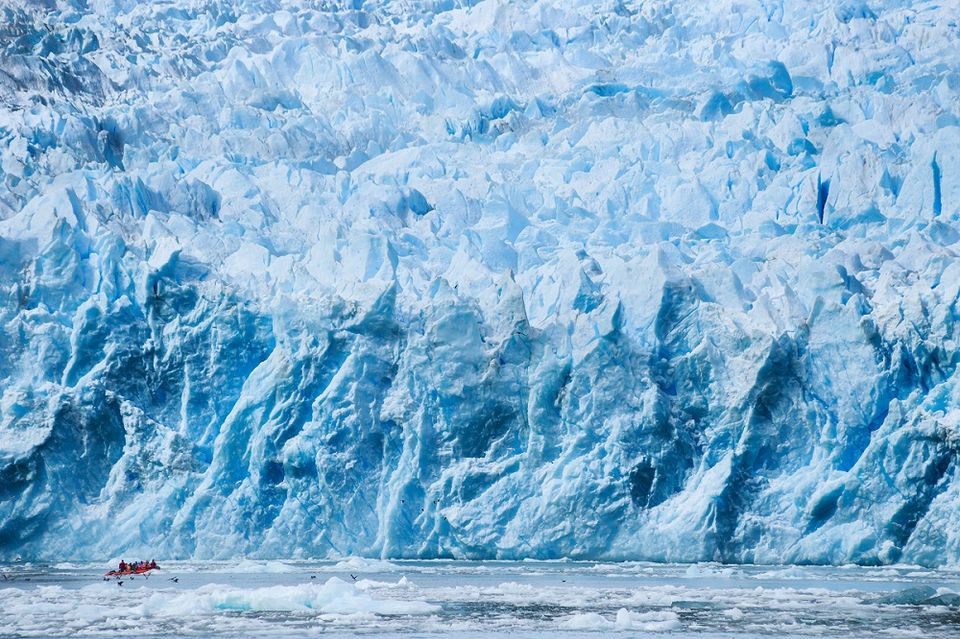
This National Park is situated to the west of the Andes and borders the Pacific Ocean in the Aysén region. It is a stunning park with several interesting sights, including Laguna San Rafael. This is a beautiful lagoon surrounded by snow-capped mountains and glaciers. One of these glaciers is the San Rafael Glacier, which regularly produces icebergs that float in the lagoon. If you’d like to discover this special National Park, you’ll need to travel to Puerto Aysén or Puerto Chacabuco. Access to the National Park is restricted; it can only be reached by boat or plane, both of which depart from one of the aforementioned locations. During your visit to the park, you can enjoy a boat trip that allows you to view the San Rafael Glacier and broken-off icebergs up close.
Futaleufú River
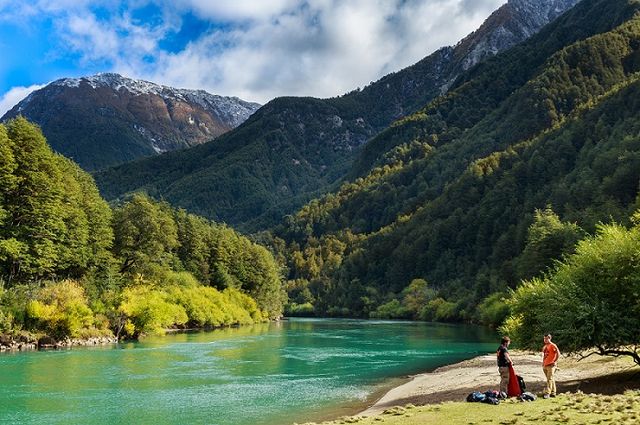
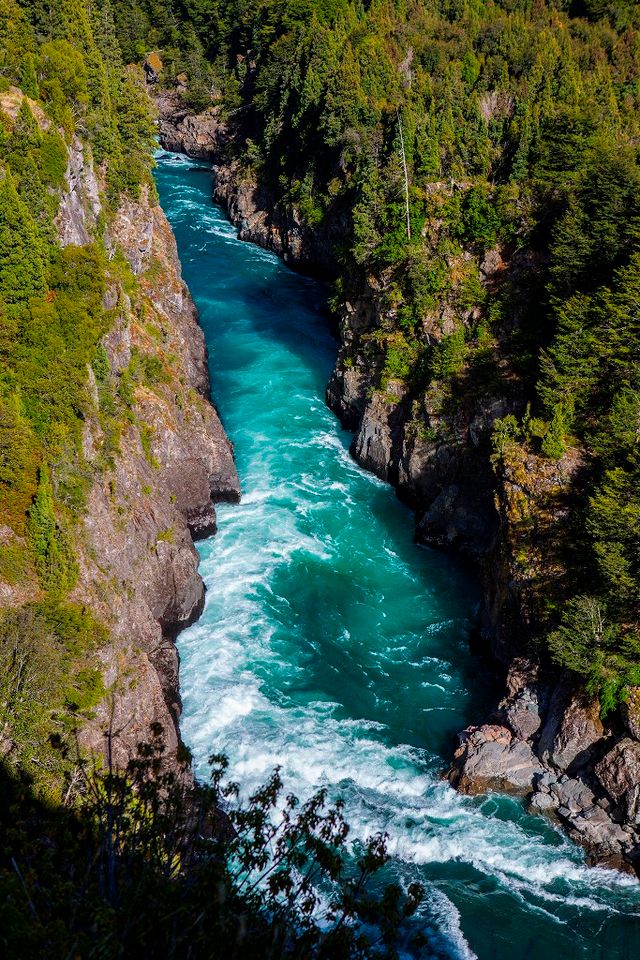
This river is one of Chile’s most iconic rivers and is largely situated in the Palena province in the Los Lagos region. What makes this river so iconic is its crystal-clear turquoise water, surrounded by beautiful green forests and mountainous landscapes.
The river is renowned worldwide as one of the best destinations for white-water rafting. With a mix of Class III to Class V rapids and challenging sections, it is a favourite among experienced rafters. For those seeking a less adventurous experience, there are other activities on offer, such as kayaking, fly fishing, walks along the river or even horse riding in the surrounding area. Despite the popularity of the Futaleufú River, the emphasis is on sustainable tourism and protecting the environment. Various local communities and organisations work together to promote ecotourism and minimise the impact on the environment as much as possible.
Río Baker
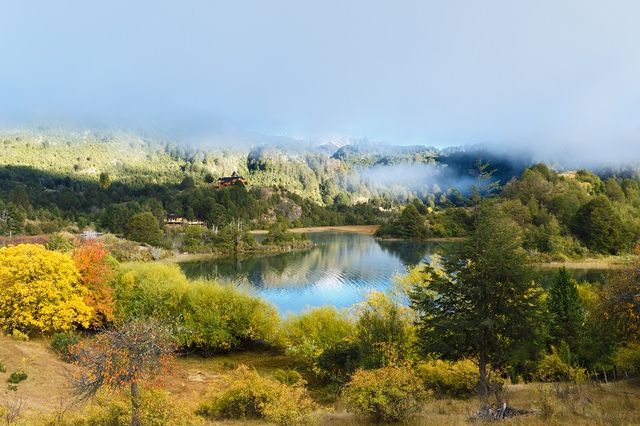
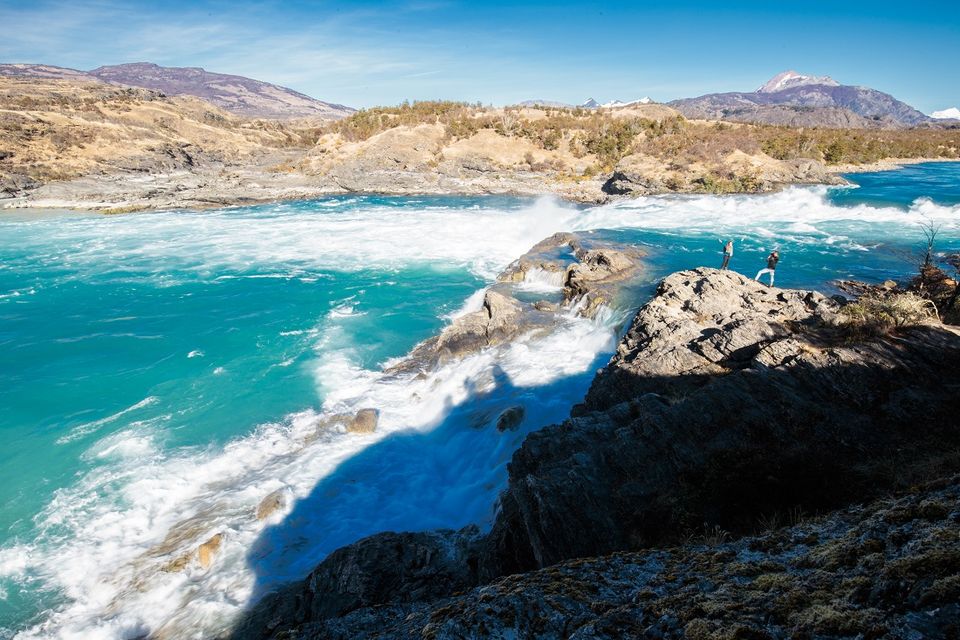
The Río Baker rises in Lago General Carrera and then flows for some 200 km through the unspoilt landscape of the Aysén region before emptying into the Gulf of Penas in the Pacific Ocean. The river’s catchment area is of great ecological importance due to its unspoilt natural environment and high biodiversity. The turquoise colour of the river and the lake is caused by mineral deposits carried down by the surrounding glaciers. This beautiful colour makes it a popular natural attraction.
Want to find out more about the Carretera Austral?
Check out Johan’s blogs about the Carretera Austral and other stunning driving routes through Chile.
Unique accommodation
-
Uman Lodge
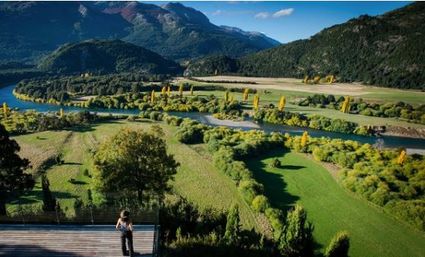
This magnificent, exclusive eco-lodge is situated on a mountain peak just outside Futaleufú. The combination of luxury on the one hand and the unspoilt surroundings on the other makes your stay truly unique. From the comfort of your room, you can enjoy breathtaking views of the surrounding mountains.
-
Mallin Colorado
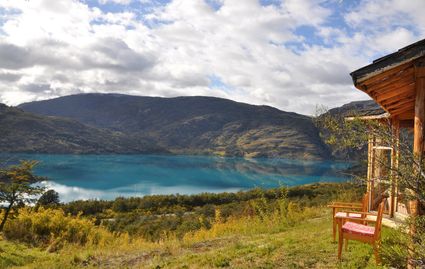
The Mallin Colorado Ecolodge is situated on Lake General Carrera and is surrounded by national parks. The lodge is a genuine family-run business with a long history in the area and is therefore closely connected to nature and the local community. Sustainability and personalised service are of the utmost importance here. Enjoy the stunning views of the lake and the peaceful, natural surroundings from your room or from the (private) terrace!
-
Pata Farm Lodge
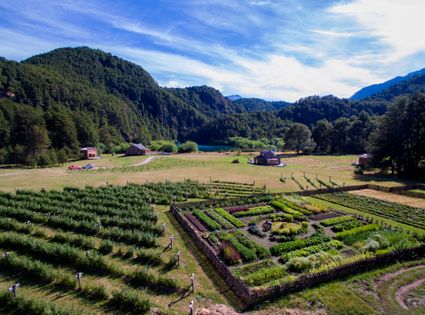
The Pata Farm Lodge offers an authentic experience on a working farm surrounded by stunning landscapes. Its remote location makes it the ideal spot to enjoy beautiful walks and modern, sustainable farm life. The lodge offers six simple yet comfortable cabins, each with a unique design. If you’re looking for peace and quiet but also want to make the most of unspoilt Patagonia, this is the perfect place to stay!
-
Explora Carretera Austral
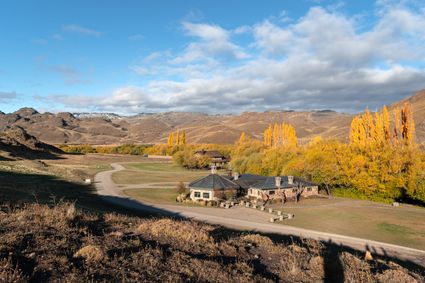
This Explora hotel is situated in the heart of Patagonia National Park and serves as a luxurious base from which to explore the surrounding area. The hotel is renowned for its expert guides and exclusive access to the most remote areas. The comfortable rooms are fully equipped and offer fantastic views of the rugged surroundings, allowing you to completely unwind in the Patagonian wilderness.
-
El Mirador de Guadal
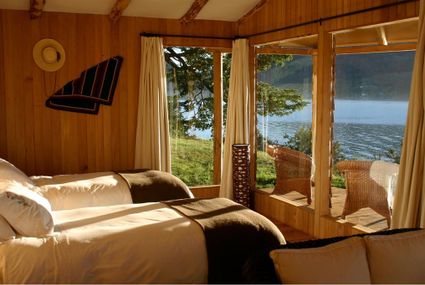
El Mirador de Guadal is beautifully situated on the shores of Lake General Carrera. This small-scale hotel is a lovely base from which to explore the southern section of the Carretera Austral. The rooms/cabins are comfortable and fully equipped. During your stay at El Mirador de Guadal, be sure to enjoy the magnificent views across the lake!
-
Barraco Lodge
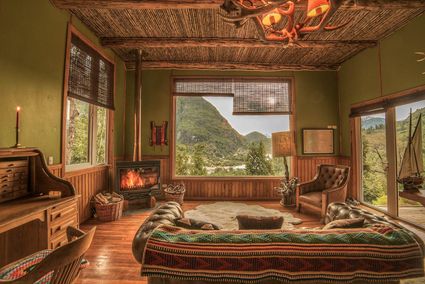
The Barraco Lodge is an exclusive accommodation situated above Lake Tagua and the Puelo River, at the gateway to Northern Patagonia. The estate offers three guest lodges with a total of eight rooms, built using local materials and in harmony with the surroundings. The lodge is renowned for its range of unique outdoor activities, particularly its special helicopter excursions to remote spots in the wilderness. After a day full of adventure, it’s wonderful to return to the lodge, where you can relax by the open fire and enjoy the typical ‘Patagonian warmth’ that pervades the lodge.
Road Trips on the Carretera Austral - See examples here of a road trip along the Carretera Austral. All road trips can be tailored to your wishes and ideas.
-
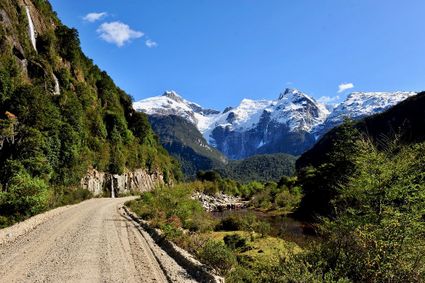
25 days of driving over the Carretera Austral
driving – Patagonia – rainforests
Drive along one of the world’s most beautiful driving routes in southern Chile and Argentina.
From €10,200 per person -
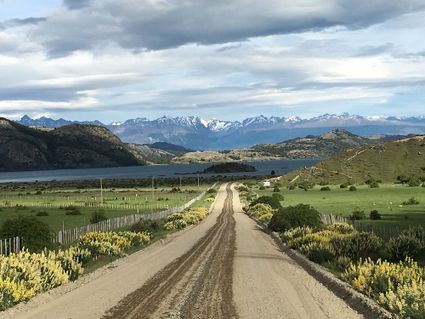
21-day Carretera Austral road trip
driving - active - nature
In a rental car, you’ll drive along one of the most beautiful driving routes in the world, the Carretera Austral. You’ll also drive part of the way along the famous Ruta 40 in Argentina.
From €4,075 per person
Fancy driving the Carretera Austral yourself?
Would you like to go on a self-drive tour along the Carretera Austral and are you curious about the options? Then do have a look at the itineraries we’ve put together for inspiration. You can book these trips directly, but we’d also be happy to put together a personalised itinerary based on your wishes and ideas.
Do you have a question? Please feel free to contact us. Call +31 73 610 62 04 or send an email to info@sapapanatravel.nl. We’ll be happy to help.