
Patagonia, Chile
Unspoilt beauty
Torres del Paine National Park is considered the heart of Chilean Patagonia. A protected nature reserve covering 180,000 hectares, it is renowned not only for its unique flora and fauna, but also for its spectacular landscapes of rocks, glaciers, lakes, forests and rivers. However, there is so much more to see in this rugged and remote part of Chile.
Discover Chilean Patagonia
-
Torres del Paine
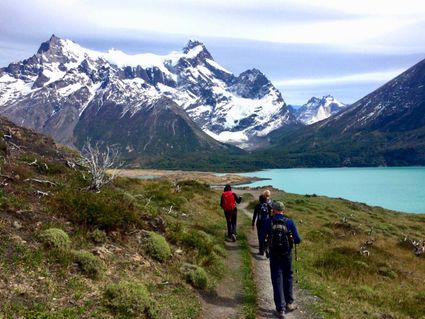
This national park in Patagonia is considered one of the most extraordinary unspoilt natural areas in the world. Thanks to its unique flora, fauna and spectacular landscapes, it was added to the UNESCO World Heritage List in 1978. Here, you can enjoy beautiful walks, as well as horse riding and climbing.
-
King penguin

Measuring around 85 centimetres tall and weighing 15 kilos, the king penguin is the second-largest penguin species, and it is truly impressive to see these animals up close. You can see these animals on the Chilean side of Tierra del Fuego at Parque Pingüino Rey. We’d be delighted to help you organise this, of course.
-
Spend the night in an architectural masterpiece
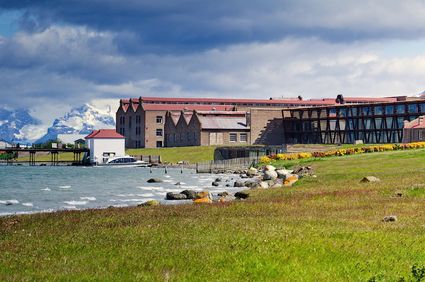
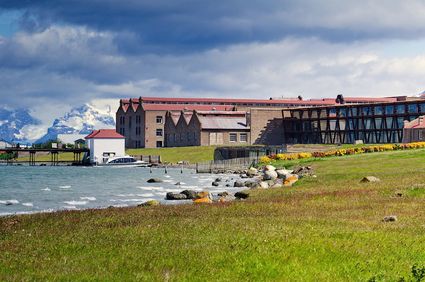
Once a meat-cooling plant, it is now an architectural masterpiece. High ceilings and restored machinery serve as a reminder of the once-thriving sheep industry. From every room, you have a magnificent view of the Hoop Fjord, with the Andes in the background.
-
Cruise past the fjords and glaciers
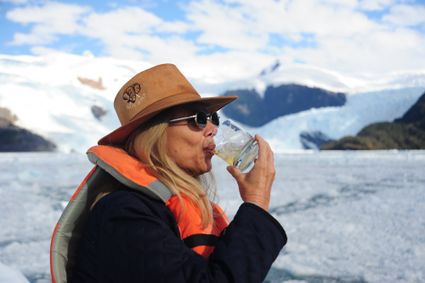
Luis Kochifas, captain of the Skorpios, sails right through the southern ice fields along the unique and exclusive Kaweskar route. Enormous glaciers flow into fjords and lakes. The waters are bright blue and the islets are home to playful sea lions and penguins. Read more about this glacier cruise here!
-
Views and pumas
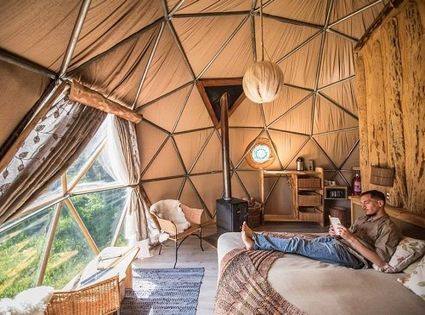
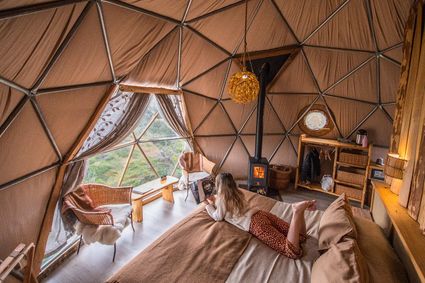
Tucked away in a green valley, at the foot of a granite massif, you’ll find the domes of Ecocamp. With their large windows, the breathtakingly beautiful surroundings are, as it were, brought inside. What’s more, with Ecocamp and Diego Araya – a nature photographer and an authority on the puma – you can spot these remarkable animals.
Patagonia, land of giants
The earliest nautical charts of ‘the New World’ referred to Patagonia by the name taken from Latin legend: ‘Regio Gigantum’ (region of the giants). The few survivors of the Magellan expedition – the first circumnavigation of the globe in 1519–1522 – reported that this region was inhabited by giants. Ferdinand Magellan described the indigenous people as ‘Patagão’. This is where Patagonia still derives its name from. Thus was born the legend that Patagonia was the land of the giants. Later, fossils of the ‘Argentinosaurus’ (the largest dinosaur ever) were also unearthed in Patagonia.
Nowadays, it is accepted as an established fact that Patagonia is indeed the ‘realm of the giants’, inspired by the Torres del Paine massif, Mt Fitz Roy, the South Chilean ice fields and the mammoth Perito Moreno glacier. The impressive vastness of the landscape, with its stunning colours and its rugged yet magnificent forms, gives you the feeling that all this comes from another world – or that this is the gateway to another world. Not only do the skies, lakes, rivers and fjords here display the most extraordinary shades of blue, but the ice of the glaciers also takes on ever-changing shades of blue, as if the colour blue alone could form the rainbow.
Landscapes
The landscapes of Chilean Patagonia are impressive, rugged, unspoilt and breathtakingly beautiful. Here you will find, amongst other things, impressive glaciers, vast, imposing mountain ranges, stunning national parks and several ice fields. The Andes run right through Patagonia; in Chilean Patagonia, the Andes are characterised by jagged mountain peaks, of which, as mentioned earlier, the mountains in Torres del Paine are the best known.

Flora and Fauna
The flora and fauna of Chilean Patagonia are incredibly rich and diverse, having fully adapted to the remote, rugged landscape. Here you will find, amongst other things, vast forests of lenga and coihue trees, and the striking nothofagus plants that are characteristic of this region. The ground is adorned with wild flowers, mosses and lichens, whilst shrubs such as the michay and calafate play a major role in the ecosystem of this area. Iconic animals such as the guanaco and the Patagonian fox inhabit the open plains. The southern huemul, a deer-like species, and the Andean condor are also characteristic of this area.
Animals that are also found here but are seen less frequently include pumas, grey foxes, the Andean cat and the South American otter. These live in more remote areas and are shy, meaning they are rarely spotted by visitors. The marine ecosystem of Chilean Patagonia is also remarkable; along the coastline, you can spot orcas, humpback whales, sea lions and dolphins, amongst others. The rougher, rocky islands are home to penguins and various unusual seabirds. King penguins are mainly found on remote islands in the sub-Antarctic region, such as the Falkland Islands; however, this second-largest penguin species is also found in Chilean Patagonia. If you’d like to see this striking, highly distinctive species of penguin, you’ll need to visit the Parque Pinguíno Rey in Tierra del Fuego. Here you’ll find a colony of king penguins, which have their breeding grounds and habitat here. As well as king penguins, other animals live here, including sea lions, various species of seabirds, and whales are occasionally spotted here too.


Spotting pumas
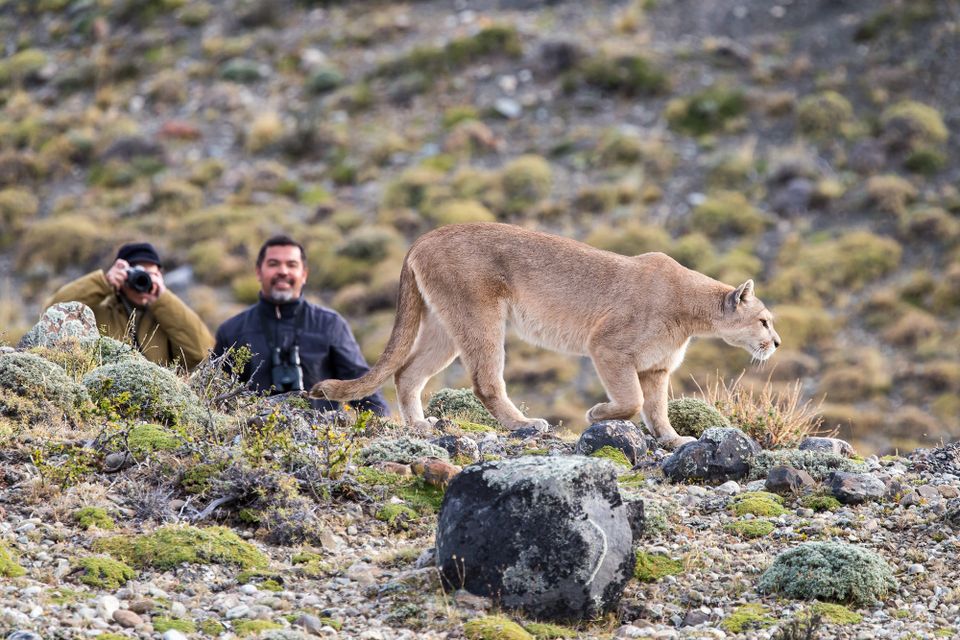
Pumas are among the most impressive felines in the world. They are masters of camouflage and often live hidden away in remote mountainous areas. They are shy and usually active at night, though there are specific areas where pumas are sometimes seen during the day as well. Some of these areas can be found in Torres del Paine National Park. Spotting pumas is therefore a special, rare experience. Spotting pumas requires a great deal of patience and a bit of luck, but seeing this magnificent feline prowling in its natural habitat is an unforgettable experience. Special excursions led by experienced, specialist guides are available to increase your chances of spotting pumas. Thanks to the guides’ expertise, these special tours contribute to the conservation of this vulnerable, shy species.
Going on treks
Torres del Paine National Park is ideal for stunning treks. Partly because the park is home to some of the world’s most breathtaking landscapes, it is a wonderful area for walking. There are several trekking options in the area, varying in difficulty and length. Popular routes include the W-trek and the O-circuit; the latter is more challenging and suited to more experienced walkers. Both treks take you past impressive sights, including the iconic granite towers, the French Valley and the Grey Glacier. You can undertake the trek independently or as part of an organised trip led by a guide. You can camp in tents or stay in one of the mountain huts along the route. Whichever option you choose, it is advisable to always be prepared for a range of weather conditions, as the weather can change quickly in this area.


Would you like to go on a (guided) trek through Torres del Paine?
We’d be happy to help you explore which options best suit your personal circumstances and preferences!
Fjord cruise in Chilean Patagonia
You can enjoy a magnificent fjord cruise right through the southern ice fields of Chilean Patagonia. An enchanting journey past ice-covered fjords, towering glaciers and majestic mountains. The Skorpios III sails the unique and exclusive Kawesar route. Glaciers flow into fjords and lakes; the waters are bright blue and the islets are home to sea lions and penguins. You’ll be immersed in the wilderness of this remote part of Chilean Patagonia. During this cruise, you will have the opportunity to go on special excursions to remote locations and enjoy breathtaking views.


Unique accommodation in Chilean Patagonia
-
EcoCamp Patagonia
Combine adventure and natural beauty with a unique and sustainable experience at EcoCamp Patagonia. Here, you’ll spend the night in dome-shaped tents, also known as ‘domes’. These domes are inspired by the traditional dwellings of the indigenous people. The entire EcoCamp is powered by renewable, natural energy sources. The aim is to minimise the impact on the environment and preserve the natural beauty of Patagonia.
-
The Singular Patagonia
This unique hotel is housed in one of the few historic buildings in the region. In the first half of the last century, the building served as a meat-processing plant. In 1996, the building was designated a national heritage site. In creating The Singular, historical elements have been combined with contemporary design.
-
Awasi Patagonia
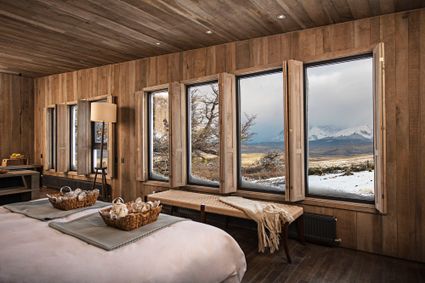
Awasi Patagonia features 12 luxury villas. Guests staying in a villa have a personal, knowledgeable and highly dedicated guide with a 4x4 vehicle at their disposal throughout their stay. This is what makes the Awasi Patagonia concept so unique and gives you, as a guest, the opportunity to discover Patagonia in a truly special way.
Curious about the concept and story behind Awasi hotels? Then read our colleague Johan ’s blog post .
Fancy a trip of Chile?
Would you like to organise your own trip of Chile, including a visit to Patagonia, and are you curious about the options? Then do have a look at the itineraries we’ve put together for inspiration. You can book these tours directly, but we’d also be happy to put together a personalised itinerary based on your preferences and ideas.
Do you have a question? Please feel free to contact us. Call +31 73 610 62 04 or send an email to info@sapapanatravel.nl. We’ll be happy to help.