
Santiago de Chile
A fascinating city nestled amongst the mountains
The Chilean capital, Santiago, is a modern metropolis with a population of over 5.5 million. Santiago lies at an altitude of 522 metres and is regarded as a peaceful and clean city, offering a high quality of life. It is a safe city, with attractive neighbourhoods such as Providencia, Bellavista and Vitacura. In the city centre, you’ll find many fascinating sights and several attractive parks. For instance, in the city centre you’ll find the presidential palace, La Moneda, the main square, ‘Plaza de Armas’, and many museums. Santiago is a vast, green city, with leafy avenues and parks such as the Metropolitano City Park, which is also home to Cerro San Cristóbal. One thing is certain: wherever you are in the city, you are always surrounded by the peaks of the Andes.
Discover Santiago
-
City trip by bike
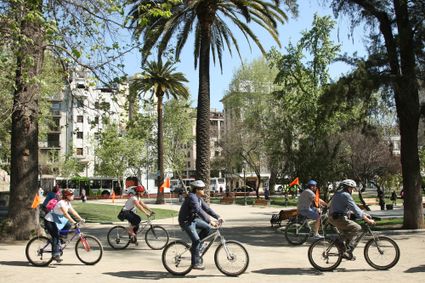
Fancy exploring Santiago in an active way? Hop on a bike and let your guide take you on a trip of the city! Cycle past the various parks and learn more about Chilean culture, education and migration. Cycle past the historic buildings, discover the city’s history and take a break at one of the lovely outdoor cafés.
-
Changing of the Guard
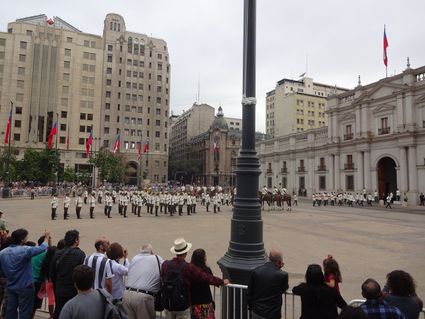
In the centre of Santiago, you’ll find the imposing government palace: Palacio de la Moneda. A magnificent building reminiscent of the colonial era, it formerly served as the main site where Chilean coins were minted. At 10 o’clock in the morning, the changing of the guard takes place here in the traditional manner.
-
Staying overnight in the Lastarria district
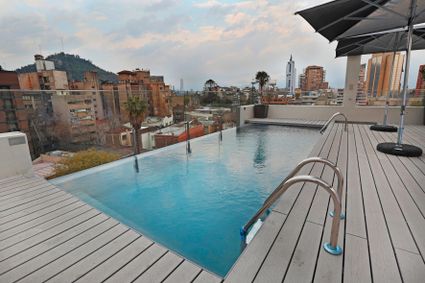
Lastarria is a lovely neighbourhood in Santiago, close to the historic centre. This means you can visit the main attractions during the day and enjoy what Lastarria has to offer in the afternoon and evening. Browse the shops and dine in one of the finer restaurants in the evening. You could, for example, stay at the Hotel Cumbres Lastarria.
-
Boragó restaurant
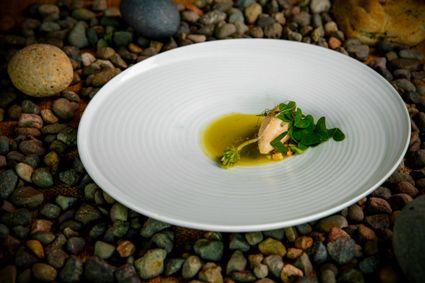
This restaurant, owned and run by chef Rodolfo Guzmán, is ranked number 5 in the list of the 50 best Latin American restaurants. Guzmán focuses on dishes featuring lesser-known ingredients from across Chile. For example, fish is sourced from local fishermen and vegetables are grown on their own land.
-
For the culinary explorer
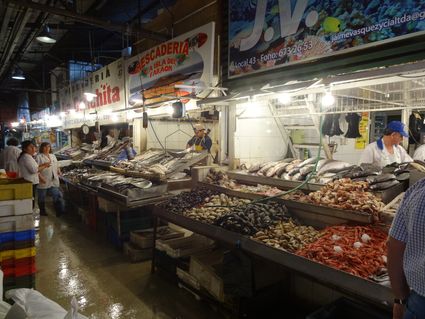
Are you a foodie? Then join a guided trip of the city’s various markets, such as Vega Central and Mercado Central, Santiago’s most famous markets. Of course, you can sample a variety of unusual fruits and vegetables here, as well as fish and seafood caught earlier that day.
-
Panoramic views of Santiago
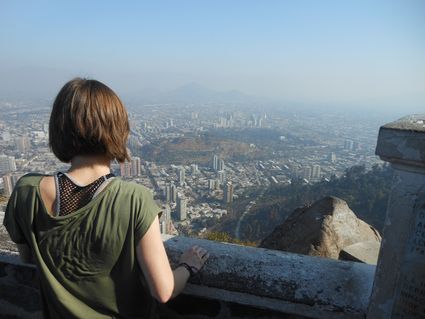
Visit Cerro San Cristóbal hill in the city centre for a beautiful view, where you can see the highest peaks of the Andes in the distance. Take the funicular railway up to the viewpoint or walk up there on a brisk hike.
History of Santiago
Santiago has a rich history dating all the way back to the 16th century. The city was founded on 12 February 1541 by the Spanish conquistador Pedro de Valdivia. The name comes from the apostle James, known as Santiago in Spanish. Pedro de Valdivia chose this particular location specifically because of the climate and the ease with which the city could be defended here. Santiago served as the economic and political centre of the region during the Spanish colonial period.
On 18 September 1810, Chile declared its independence from Spain; however, full independence was not achieved until 1818, following the Battle of Maipú. It was decided that Santiago would become the capital of the new Republic of Chile.
Thanks in part to modernisation programmes and industrial development, Santiago grew in the 19th and 20th centuries to become one of South America’s most important economic centres.
Over the years, Santiago has experienced several periods of political unrest, including the military dictatorships of the 20th century. The best known and most notorious of these was that of Pinochet, who came to power following a military coup in 1973.

Architecture
The architecture in Santiago takes you on a journey through history and the cultural influences over the years. Many buildings in Santiago showcase Spanish colonial architecture from the 16th and 17th centuries. Examples include the presidential palace, La Moneda, and Santiago Cathedral. Many buildings are recognisable by their distinctive façades, courtyards and wrought-iron details. Later, particularly following Chile’s independence in the 19th century, many buildings were constructed in the Neoclassical style. These buildings and houses are characterised by their columns, symmetry, pediments and (decorative) elements drawn from classical antiquity. In the early 20th century, more buildings in the Art Nouveau and Art Deco styles began to appear. These are characterised by geometric shapes and incorporate many decorative elements. Subsequently, modernism became increasingly prominent in Santiago, with a greater emphasis on functionality, modern materials and clean lines. Today, Santiago boasts a mix of various architectural styles, and the number of skyscrapers in the city is on the rise. The most famous of these is the Costanera, a sleek, 300-metre-high skyscraper, which is the tallest building in South America and the second-tallest in the Southern Hemisphere. A remarkable, recently completed structure in Santiago is the Bahá’í Temple, situated in the Peñalolén district in the foothills of the Andes, just outside the city. Its architecture is striking and astonishing, and it is the first temple of its kind in South America.
Neighbourhoods in Santiago
Like so many large cities, Santiago is made up of a variety of interesting neighbourhoods. We’d like to give you an overview of some of these neighbourhoods:
Lastarria

Nestled between the Bellas Artes and Bellavista neighbourhoods, Lastarria is a charming and trendy neighbourhood in Santiago. The cobbled streets and colourful façades add to the neighbourhood’s charm. The neighbourhood is best known for its bohemian and artistic atmosphere, with a variety of art galleries, theatres, antique shops and lovely little boutiques to be found there. Cultural events and festivals are regularly organised in the neighbourhood, such as street markets, (art) exhibitions and music festivals with live performances. Among other attractions, the Museo de Bellas Artes is located in this neighbourhood.
As well as the wide range of cultural activities and attractions, Lastarria offers a diverse selection of restaurants, from upmarket establishments to cosy cafés and bars.
Bellavista

The Bellavista district is situated to the north of Santiago’s city centre, at the foot of Cerro San Cristóbal, and borders the Lastarria district. It is a popular, colourful and lively neighbourhood. Many tourist attractions are within walking distance of Bellavista, making it an ideal location in Santiago. Bellavista is known as the cultural heart of the city; here you’ll find numerous art galleries, street art and theatres. The Pablo Neruda Museum, La Chascona, is also located here. Bellavista offers a wide range of dining options, from upmarket restaurants to casual cafés and local food stalls. As well as its culinary scene, Bellavista is best known for its vibrant nightlife. There are many bars, clubs and cafés with live music, all of which stay open until the early hours of the morning. Thanks to its location at the foot of Cerro San Cristóbal, the neighbourhood is a great base for walks and cycle rides. From here, you can take the cable car to the top of Cerro San Cristóbal for a stunning panoramic view of the city.
Providencia

Providencia is an affluent, centrally located neighbourhood in Santiago. Due to its central location, it is one of the city’s most sought-after residential areas. The neighbourhood borders a number of key areas, including Las Condes, Vitacura and Santiago Centro. It is easily accessible and lies close to many major attractions and Santiago’s business district. Providencia is a key commercial and business hub for the city. Many companies, offices, shopping centres and banks are based in this neighbourhood. The Costanera, South America’s tallest building, is also located here. The neighbourhood is known for its abundance of green spaces and parks and is a popular residential area, partly due to its safe and pleasant environment and its proximity to schools and leisure facilities.
Santiago Centro

This is the real city centre of Santiago, the political and historical heart of the city. The district lies in the geographical centre of the city and virtually all public transport (metro lines, buses) stops here. Centro is the oldest part of the city, which is why many of the historic buildings, squares and churches can be found here. Here you’ll find Santiago Cathedral, the Plaza de Armas, the Presidential Palace of La Moneda and the National History Museum. There are also plenty of shops and markets in the Centro district. The Paseo Ahumada and Paseo Bandera are two popular shopping streets in this area. In addition to the National History Museum, there are also several art museums located in Santiago Centro.
Museums in Santiago
Chilean Museum of Pre-Columbian Art
The Museo Chileno de Arte Precolombino is dedicated to the art and culture of pre-Columbian civilisations in South America. Here you will find a collection of artworks and artefacts from various cultures, including the Incas, Mapuche, Moche and Tiwanaku. Everything dates from thousands of years ago right up to the arrival of the Spanish in the 16th century. The museum plays a vital role in preserving and exhibiting pre-Columbian heritage. Among other things, you’ll find sculptures, ceramics, textiles and goldwork.
Museo Nacional de Bellas Artes
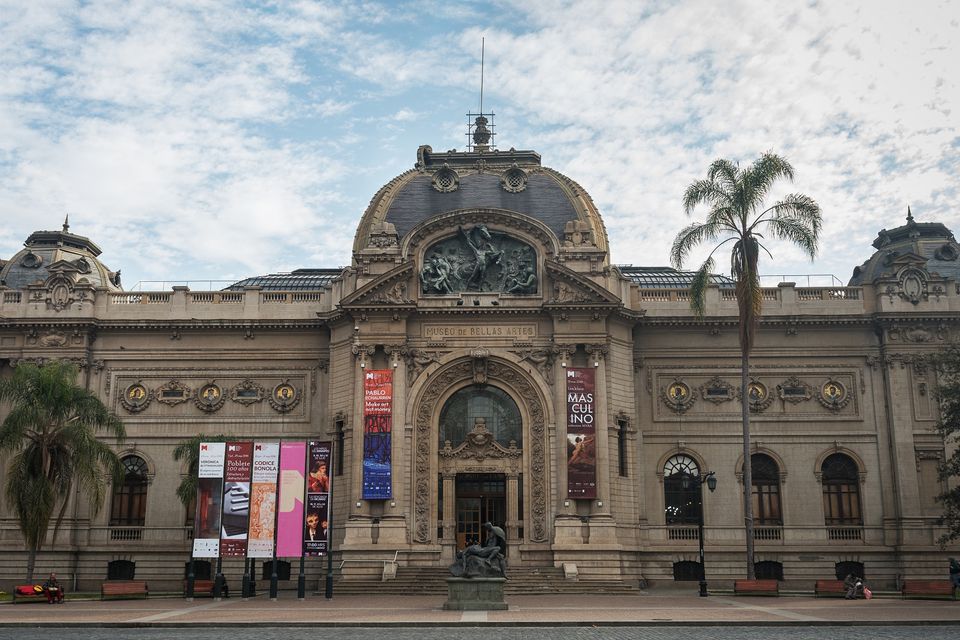
The “Museo Nacional de Bellas Artes” art museum houses an extensive collection of Chilean and international artworks. The collection comprises paintings, sculptures and various other artistic creations. The museum plays a key role in promoting the arts and culture sector in Chile. Founded in 1880, it is situated in the centre of Santiago, in an impressive neoclassical building adjacent to Parque Forestal.
National History Museum
The National History Museum is one of the most important museums showcasing the history of Chile. The museum is housed in a historic building which served as the royal mint in the 18th century. Here you will find an extensive collection of documents, artefacts, works of art and other historical objects that trace Chilean history from the pre-Columbian period to the present day. As a visitor, you will walk through various rooms, each dedicated to a different theme from history. The National History Museum plays a vital role in preserving and presenting Chile’s history.
La Chascona, Pablo Neruda
Built in the 1950s, ‘La Chascona Pablo Neruda’ is the historic home of the famous Chilean poet Pablo Neruda. Pablo used this house as a retreat for himself and his beloved Matilde Urrutia. The house is situated in the Bellavista district and is now a museum dedicated to the life and work of Pablo Neruda. The collection on display includes the original furniture, works of art, books and various personal belongings of Pablo Neruda. The name “La Chascona” refers to a nickname Pablo Neruda gave Matilde Urrutia because of her wild, curly hair. A visit to La Chascona offers you the chance to learn more about Pablo Neruda’s influence on Chilean literature and culture.

Santiago and the surrounding area
Not only Santiago itself, but also the area surrounding the city has plenty to offer. Whether you’re keen on cultural attractions, wine tastings in the vineyards, adventure in the mountains or simply relaxing on the beach, the area around Santiago has it all within easy reach!
Wine regions around Santiago
There are a number of wine regions in the vicinity of Santiago, which are among the most renowned in the world. The main wine regions near Santiago are the Colchagua Valley, the Maipo Valley and the Casablanca Valley. These wine regions are easily accessible to visitors and offer a wide range of wine tastings and guided tours of the vineyards.
Colchagua Valley
The Colchagua Valley lies some 160 km south of Santiago. The climate in this region is warmer, which has a beneficial effect on the complexity and diversity of the wines produced here. This region is particularly renowned for its high-quality red wines, which are based on Cabernet Sauvignon, Carmenère and Syrah.
Maipo Valley
The Maipo Valley lies south of Santiago and is one of Chile’s most traditional and oldest wine-growing regions. The Maipo region is situated somewhat closer to Santiago, about 45 km from the Chilean capital. The valley is best known for the production of quality wines, particularly red wines made from Cabernet Sauvignon. The Mediterranean climate is favourable for grape growing in this area.
Casablanca Valley
The Casablanca Valley is nestled between the Pacific Ocean and the Andes. It lies a little further from Santiago, some 83 km west of the city. The climate in this region is influenced by (cool) sea breezes, making the area ideal for the production of white wines. The region is best known for its Sauvignon Blanc and Chardonnay, but the Pinot Noir from this area is also an excellent wine.


Read more about Chile’s wine regions here.
Valparaiso
About 120 kilometres from Santiago lies the picturesque port city of Valparaíso. The city is built on steep hills that seem to disappear into the ocean. The city is characterised by its many colourful houses and winding streets. Partly due to its historic architecture, the city is a UNESCO World Heritage Site. Before the Panama Canal opened, Valparaíso was the most important maritime destination on the Pacific coast. Another distinctive feature of the city is the 16 ‘ascensores’, or funicular railways, which connect different parts of the city. Of these 16 funiculars, only four are currently in operation.
You can explore the harbour, stroll along the coastline and enjoy fresh seafood in one of the many local restaurants. As well as being a maritime destination, Valparaíso is also renowned as a centre for art and culture. There is plenty of street art to be found, and the city is home to various (art) galleries. As a result, Valparaíso attracts many artists and musicians from all over the world. Cultural events are organised on a regular basis.

Valparaiso

Viña del Mar
Viña del Mar
The seaside resort of Viña del Mar is situated near Valparaíso and is often referred to as the ‘Garden City’. This is due to the many parks and green spaces found throughout the town. Viña del Mar is also best known for its beaches, combined with a pleasant climate. The most famous beaches are Playa Acapulco and Playa Caleta Abara. As well as its beaches, Viña del Mar is famous for the ‘Internacional de la Canción de Viña del Mar’ music festival, which attracts international artists representing a wide range of genres. The music festival takes place in Parque Quinta Vergara, one of Viña del Mar’s largest parks. The park features beautiful gardens, walking trails and an amphitheatre, where the music festival is held.
Valle Nevado
Situated in the Andes, around 60 km east of Santiago, you’ll find Valle Nevado, a popular skiing destination. The Valle Nevado resort lies at an altitude of over 3,000 metres, offering fantastic views of the surrounding mountains and valleys. The snow conditions in this area are excellent and there are modern facilities for winter sports enthusiasts. The network of ski lifts and runs is very extensive, and there are also opportunities for off-piste skiing. Heliskiing is also an option. Other activities such as snowboarding, snowmobile tours, snow tubing and snowshoeing are also available.


Accommodation in Santiago
-
Singular Santiago
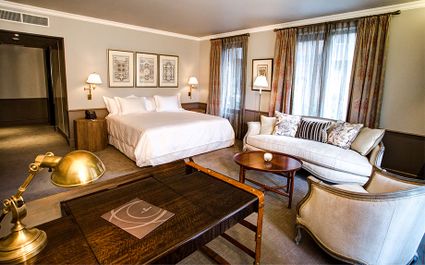
In the cultural and historic centre of Santiago, the luxurious five-star Singular Santiago hotel is situated in the charming Lastrarria district. Excellent service in an elegant atmosphere makes for the perfect way to unwind after a day spent strolling through Santiago. To help you relax completely, we highly recommend a visit to the hotel’s highly acclaimed spa.
-
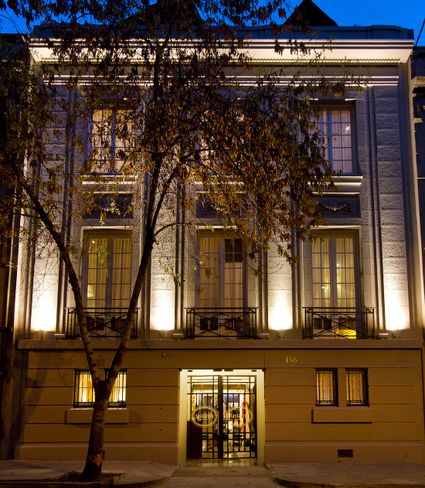
Hotel Cumbres Lastarria
In the bustling Lastarria district, the charming Cumbres Lastarria hotel enjoys a very central location. Excellent restaurants and lovely boutique shops are within walking distance of the hotel. The hotel offers comfortable rooms equipped with all modern conveniences. Be sure to visit one of the two gourmet restaurants.
-
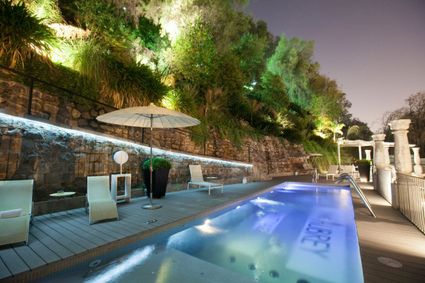
The Aubrey Hotel
In the lively Bellavista district lies The Aubrey, a boutique hotel housed in a beautiful historic villa. The hotel is situated at the foot of San Cristóbal Hill. The lovely courtyard garden and swimming pool are definite highlights of this hotel, which feels like a ‘home away from home’.
Fancy a trip of Chile?
Would you like to organise your own trip of Chile, including a visit to Santiago, and are you curious about the options? Then do take a look at the itineraries we’ve put together for inspiration. You can book these tours directly, but we’d also be happy to put together a personalised itinerary based on your wishes and ideas.
Do you have a question? Please feel free to contact us. Call +31 73 610 62 04 or send an email to info@sapapanatravel.nl. We’ll be happy to help.