
Books about Latin America
Whether it’s in winter with a warm cup of tea or in summer under the blazing sun, I love reading. Surprisingly enough, I regularly find myself picking up a book set in Latin America. I’m not the only one – the rest of the team at Sapa Pana Travel loves reading too. So we thought it would be nice to share some of our favourite books about Latin America with you.
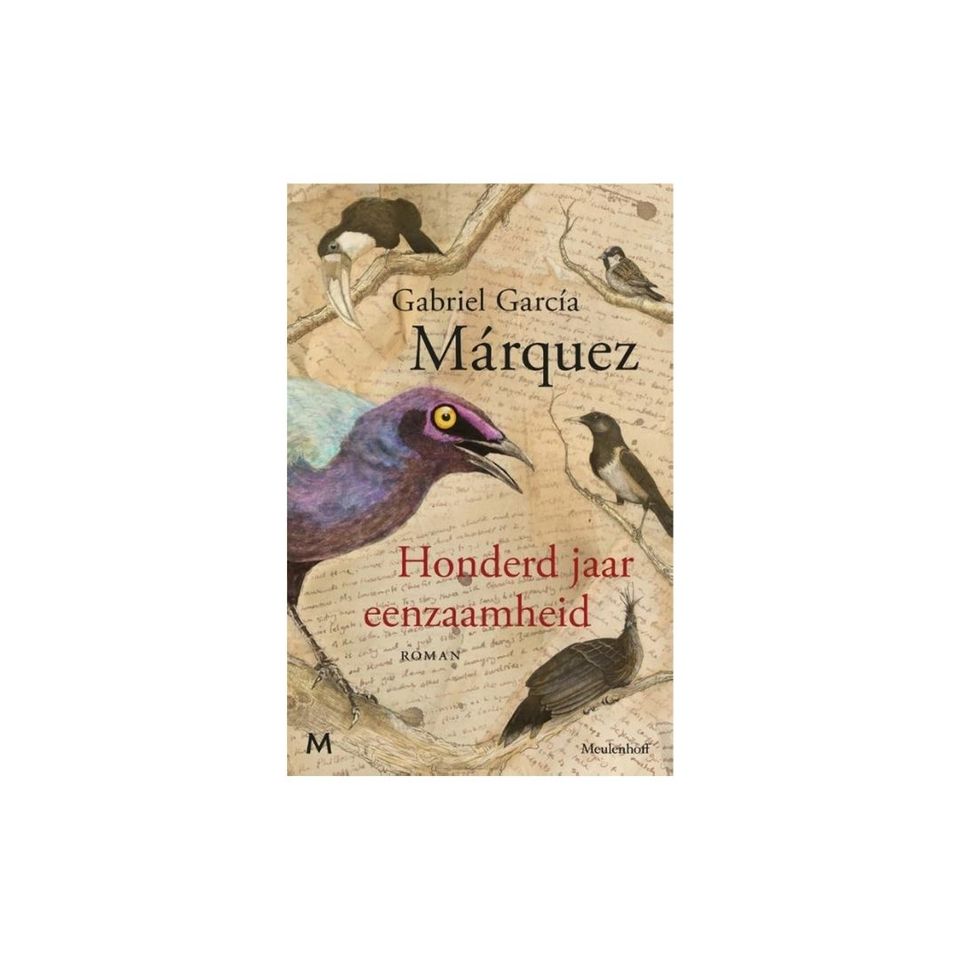
One Hundred Years of Solitude – Gabriel García Márquez
I cannot pass over the first book and author without providing some additional information:
This book is regarded as Latin America’s greatest classic, written by Colombia’s most famous and important figure, Gabriel García Márquez (Gabo). Márquez, born in the village of Aracataca in Colombia in 1914, won the Nobel Prize for Literature in 1982. He was regarded as the face of magical realism, a writing style in which magic and reality are interwoven. Márquez himself did not agree with this. He emphasised that South American reality is more bizarre than readers in the West can imagine.
One Hundred Years of Solitude tells the story of the Buendía family. The family lives in the village of Macondo, founded by their forefather José Arcadio in the marshy hinterlands of the Colombian coastal region. Several generations of the family are featured, their stories intertwining throughout the narrative. The Buendía family’s existence is plagued by civil war, natural disasters, economic exploitation and the ravages of modernisation. The book recounts a series of events from Colombian history in the 19th and 20th centuries.
All in all, this description does the book far too little justice. It is impossible to summarise this book in all its facets in just a few lines of text. It is too complex and contains too much content, partly due to its magical-realist style. If you enjoy reading, then this is a book you simply must read.
Another highly recommended book by Márquez is *Love in the Time of Cholera*.
The Old Man and the Sea – Ernest Hemingway
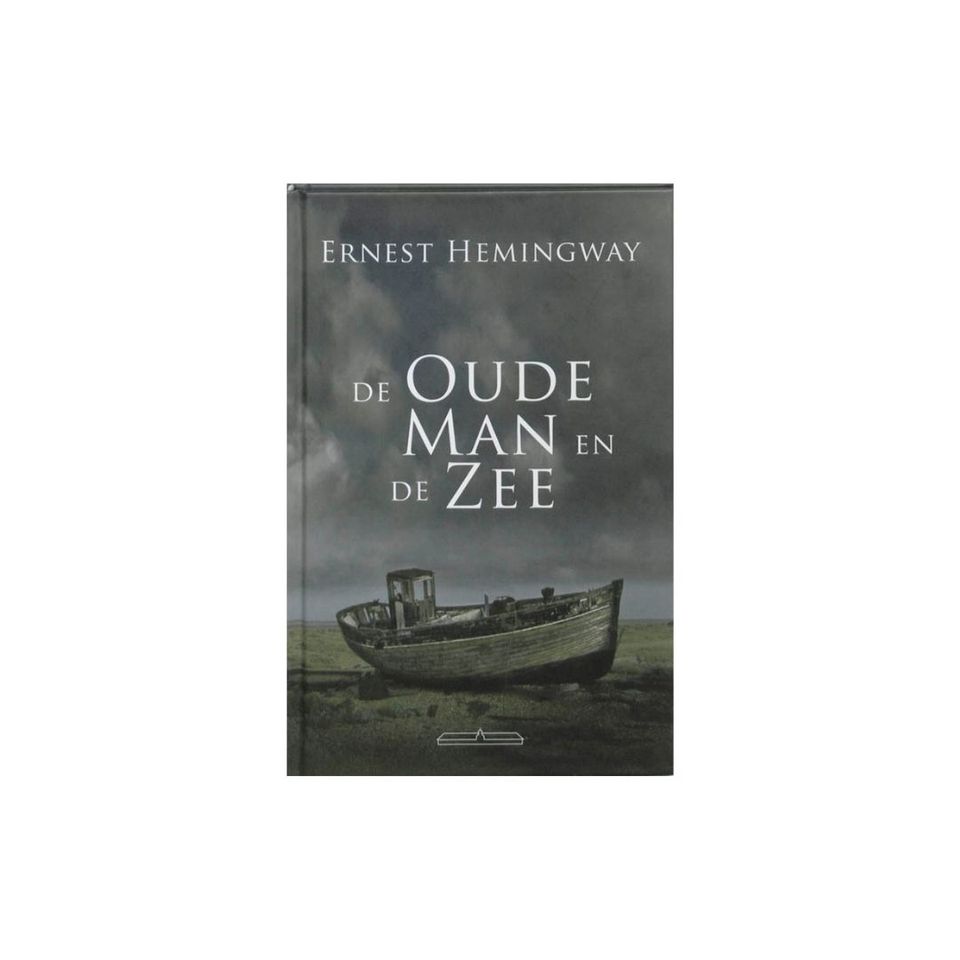
Ernest Hemingway’s *The Old Man and the Sea* has been translated many times and successfully adapted for the screen on several occasions. It is regarded worldwide as a masterpiece of literary history. It is a classic tale of the eternal struggle between man and nature.
Santiago, an elderly Cuban fisherman, is known as a ‘salao’, a name that signifies the worst kind of misfortune. For 84 days now, he has had to return to harbour with an empty boat. Other fishermen, each with a catch even better than the next, often cannot resist mocking the old man. Occasionally, they merely cast a pitying glance at him as they pass by. One day, Santiago ventures further and further out to sea. His efforts are rewarded: after a prolonged struggle with a giant fish, the old fisherman achieves his greatest victory. Half-dead from exhaustion, he ties the giant to the back of his boat and returns home. However, the struggle is not yet over.
Isabel Allende – The House of the Spirits
Isabel Allende, the daughter of Chilean parents, was born in the Peruvian capital, Lima. She lived in many different places during her childhood and returned to Chile at the age of 16. Following the military coup in 1973, in which her uncle, President Salvador Allende, was killed, she settled with her family in Venezuela. In 1981, Isabel learnt that her grandfather, now 99 years old, was on his deathbed. She began writing him a letter which eventually developed into a manuscript for a novel: *The House of the Spirits*.
‘The House of the Spirits’ is a family chronicle spanning four generations from the beginning of this century right through to the 1970s, when the military dictatorship brought an end to Salvador Allende’s socialist regime. Four extraordinary women revolve around the figure of Esteban Trueba, the tyrannical, lecherous landowner. Rose the Beautiful, the nymph with green hair; her sister Clara, the dreamy clairvoyant who can move objects telekinetically; and her daughter Blanca, who harbours a forbidden love for a left-wing protest singer, becomes pregnant by him – much to the family’s disgrace – and gives birth to a daughter. This child, the girl Alba, will later, in a time of decay and terror, write down the marvellous history of her family, in order, as she puts it, ‘to bring the past back to life and to overcome my own horror’.
Another book by Isabel Allende that comes highly recommended is *The Ninth Book of Maya*, which is set on the Chilean peninsula of Chiloé.

Luz – Elsa Osorio
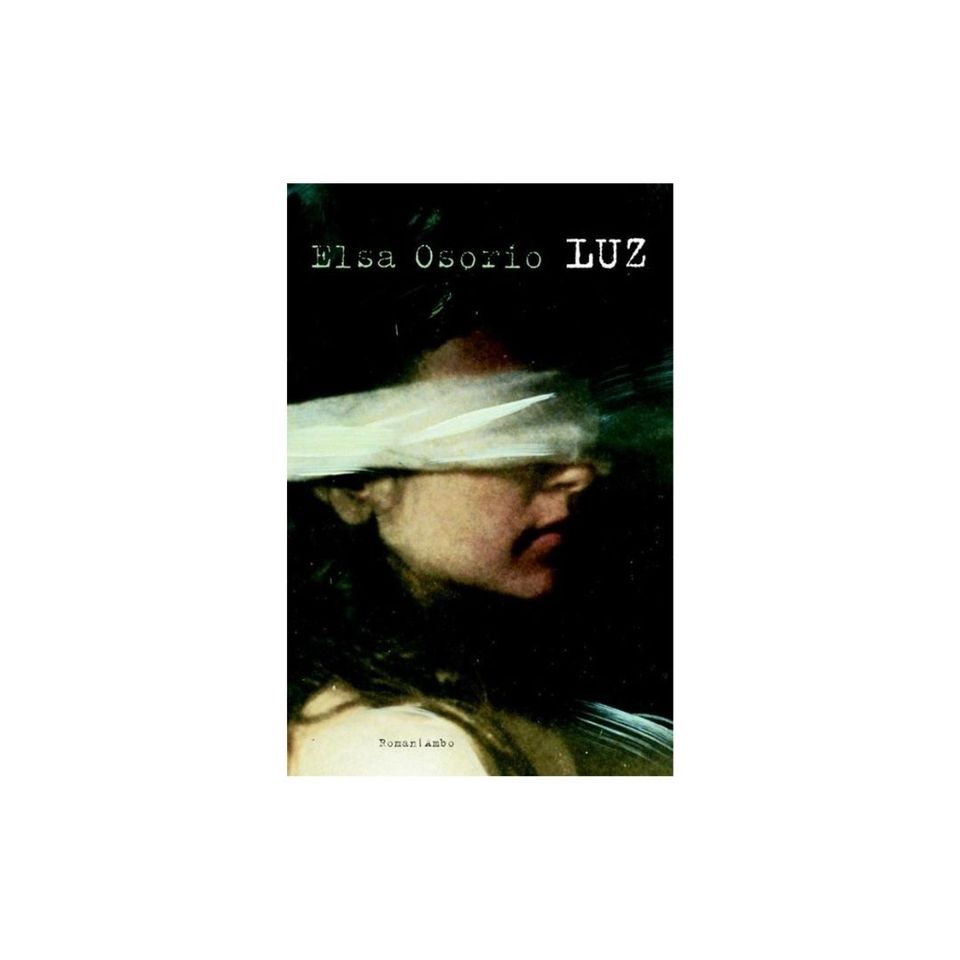
This book comes highly recommended for anyone interested in what happened in Argentina in the 1970s;
*Luz* is a compelling story about a young Argentine woman searching for her past. She grows up in a wealthy family that played a significant role during the Argentine dictatorship in the 1970s. At the age of twenty, she begins to suspect that, like many other children, she was born in prison and taken away from her real parents, who were political prisoners. She embarks on an emotional quest that she pursues to the very end.
The Motorcycle Diaries – Ernesto Che Guevara
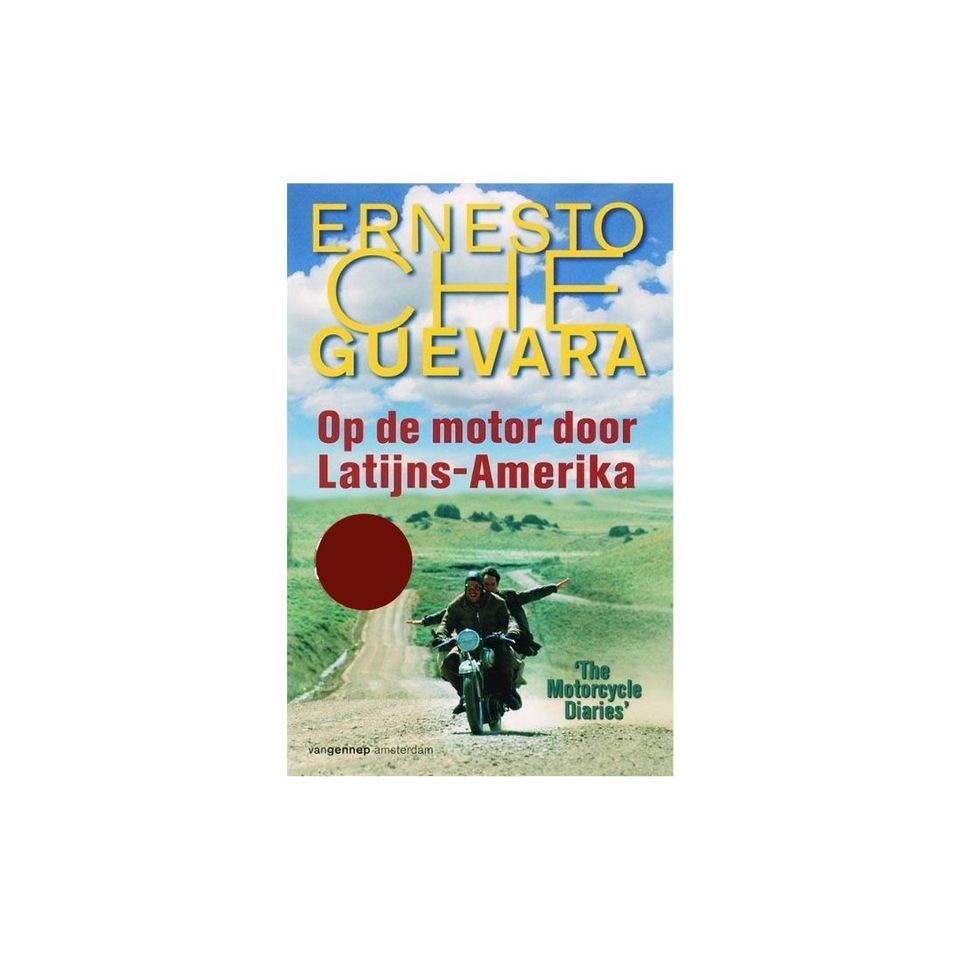
Ernesto Guevara wrote this diary during a motorbike trip he took with a friend. They set off from Argentina and travelled through Chile, Peru and Colombia to Venezuela. Ernesto is young (24), in love with life, love and adventure. The motorbike keeps breaking down along the way, leading to all sorts of hilarious moments. Although the diary is certainly not a political text, the young Ernesto Guevara is deeply impressed by what he sees along the way. The miserable situation of the indigenous peoples and the harmful consequences of old and new colonialism do not leave him unmoved. Guevara, who set out on the journey as a Latin American ‘easy-rider’, already possessed, by the end, some of the political awareness that he would later develop.
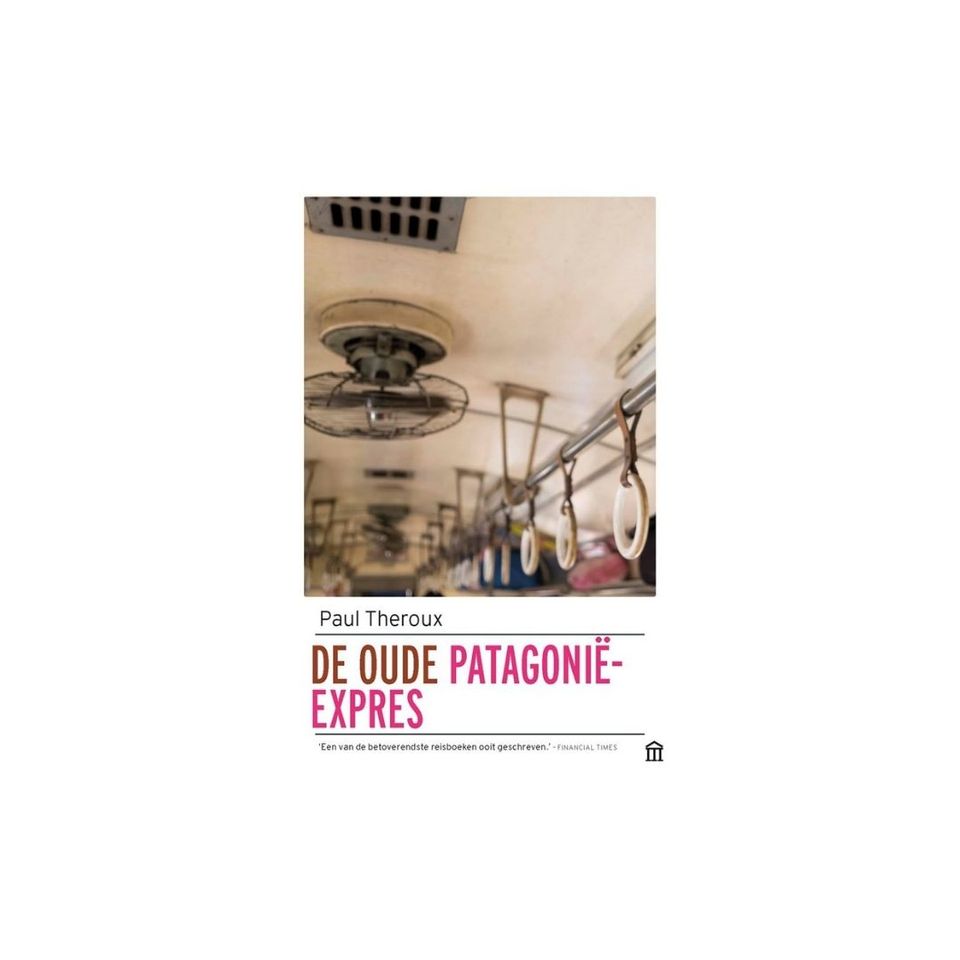
The Old Patagonia Express – Paul Theroux
The Old Patagonia Express is a splendid account of a train journey right across the entire American continent. Theroux boards the metro in Boston, eventually alighting at the southernmost tip of South America. He travels through breathtaking mountain ranges and arid desert landscapes, by luxury train and by rickety old rust bucket, always armed with his sharp pen, with which he records his adventures and conversations along the way.
Born to Run – Christopher McDougall
For anyone who loves running, this is an interesting book about the fastest people in the world.
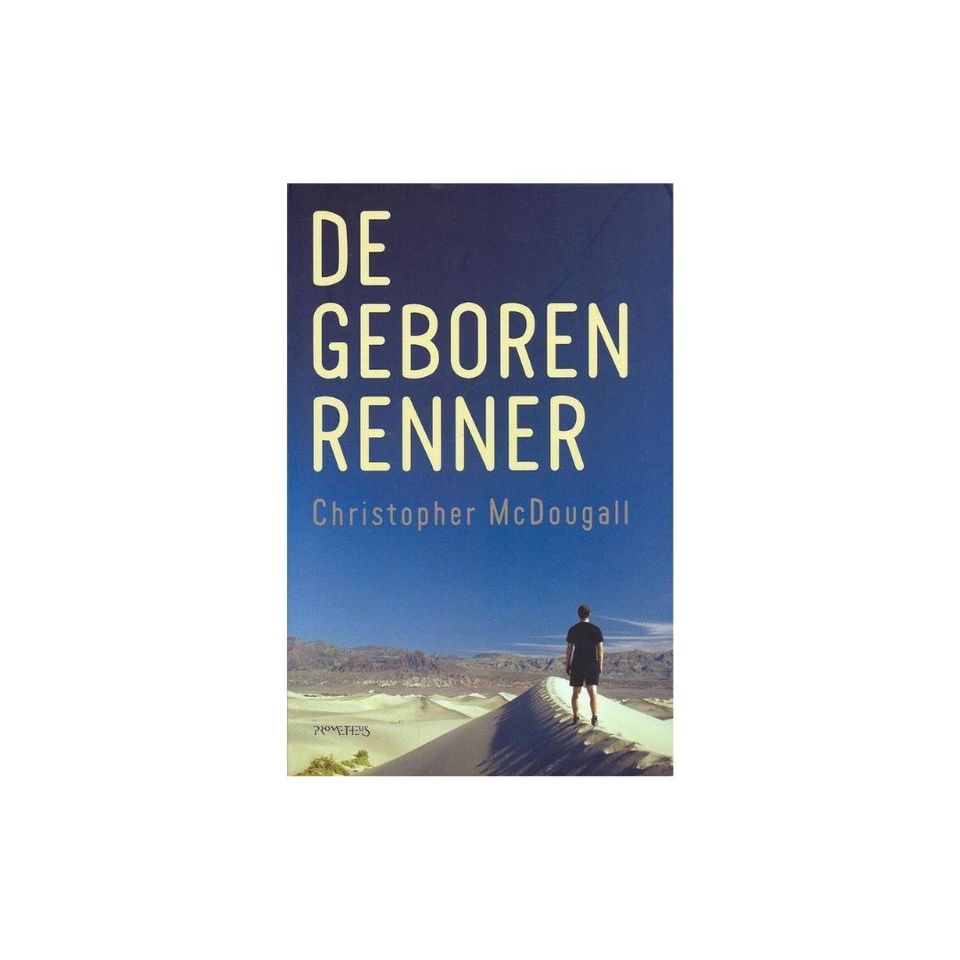
The members of the Tarahumara, an ancient, mysterious indigenous tribe in Mexico, are reputed to be the best runners in the world: in 1993, a 57-year-old member of this tribe came first in a 100-mile race, wearing nothing but a tunic and sandals. The true story *The Born Runner* is about ultra-runners – people who run more than 100 miles, preferably barefoot, without food or drink.
A small group of the world’s best ultra-runners embark on an adventurous journey through the canyons where the Tarahumara live. They set out to discover the secret of this mysterious tribe and take on the 50-mile race against them – likely one of the most nail-biting races ever.
The Inventor of Nature: The Adventurous Life of Alexander von Humboldt – Andrea Wulf
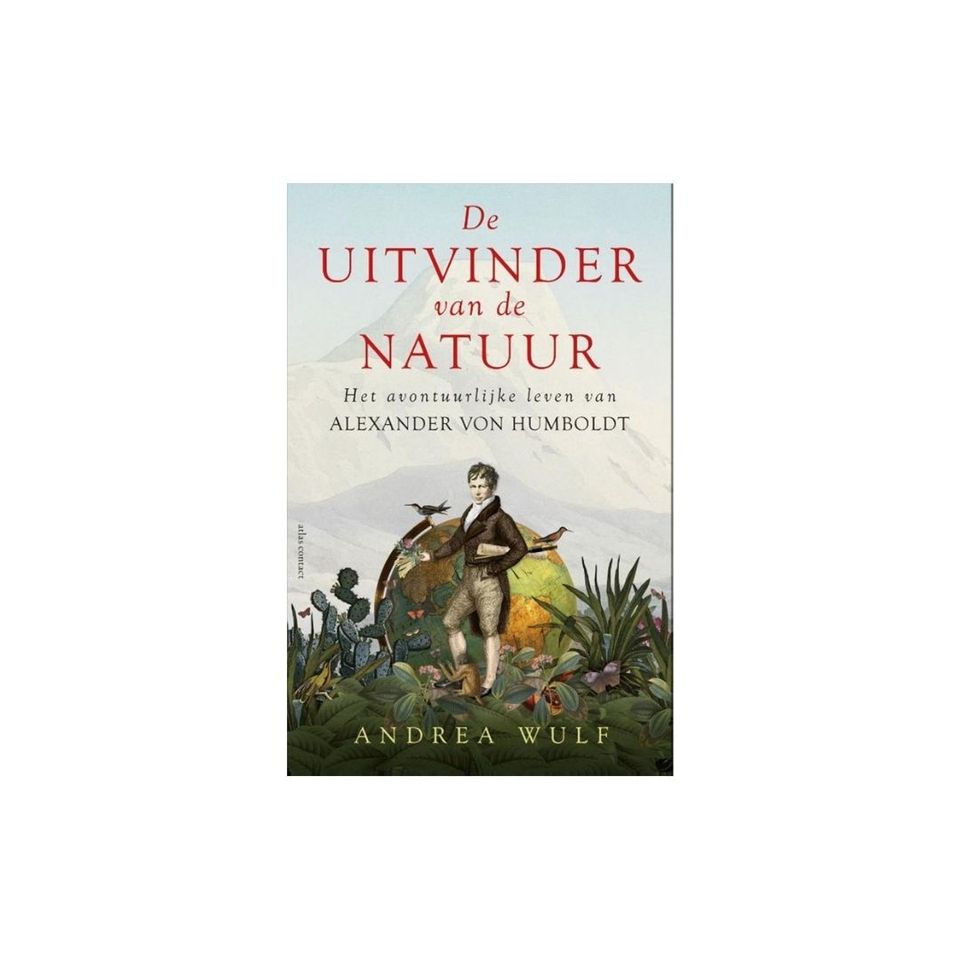
Alexander von Humboldt was a Prussian explorer who conducted research in Central and South America. Von Humboldt (1769–1859) had a great thirst for adventure and discovery; he climbed the world’s highest volcano, travelled through Siberia, where the population was suffering from anthrax, and carried out research in the most remote regions. His ideas were far ahead of his time. Humboldt already knew back then that human activity affects the climate. His thinking was shaped by his friendships with Goethe and Jefferson, and served as a source of inspiration for leading figures from various disciplines, including Darwin, Bolívar, Wordsworth and Thoreau. According to Charles Darwin, Humboldt was the greatest scientific traveller of all time.
In her book *The Inventor of Nature*, author Andrea Wulf takes you on a journey through the daring expeditions of this courageous explorer. She provides an accessible insight into his groundbreaking research into the formation of the landscape across various continents, with Latin America playing a major role.
How Expensive Was the Sugar? – Cynthia McLeod
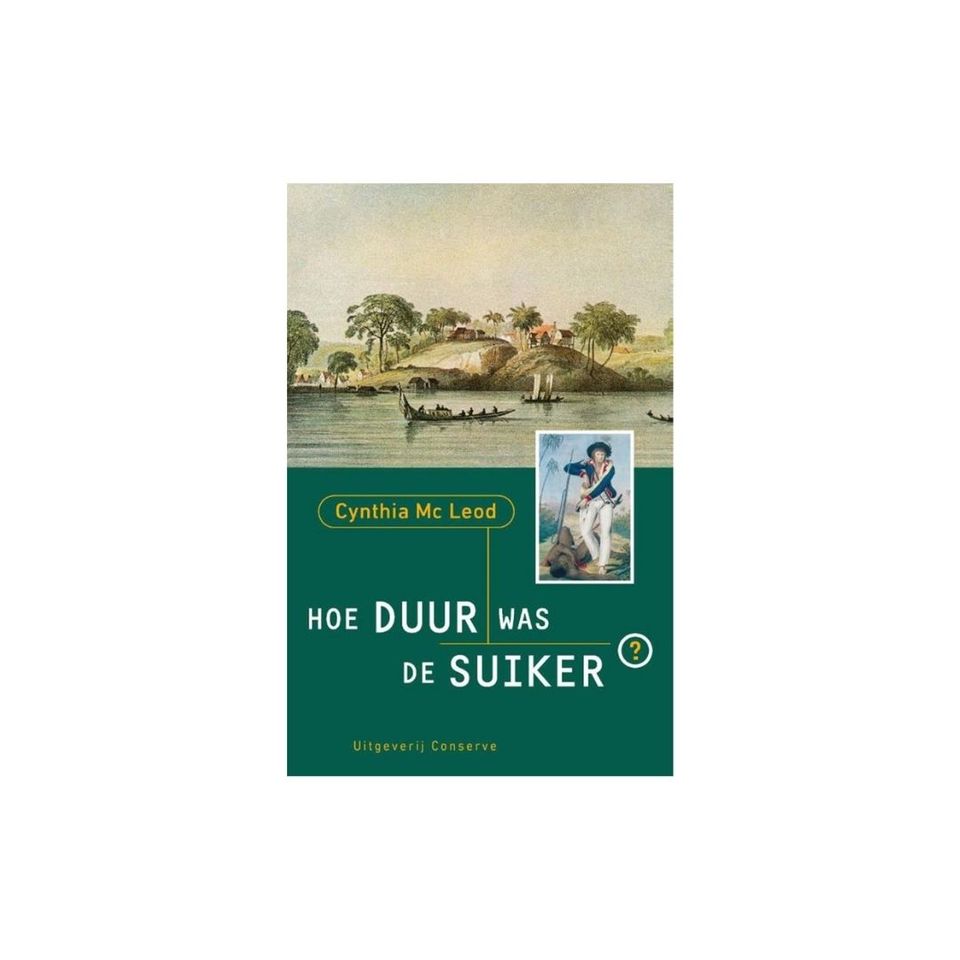
In this Surinamese historical novel, Cynthia McLeod has brought a slice of Surinamese history to life with great verve. The novel is set in the period 1765–1779. This was the heyday of the sugar industry and also the period of the Boni Wars. The plantation owners live in constant fear of attacks carried out on the plantations by Maroons led by Boni. Against this backdrop, Cynthia McLeod describes in a compelling style the lives of Sarith and Elza, daughters of a Jewish planter family, and their slaves. In the unjust slave society that is the colony of Suriname, both masters and slaves find that sugar comes at a high price.
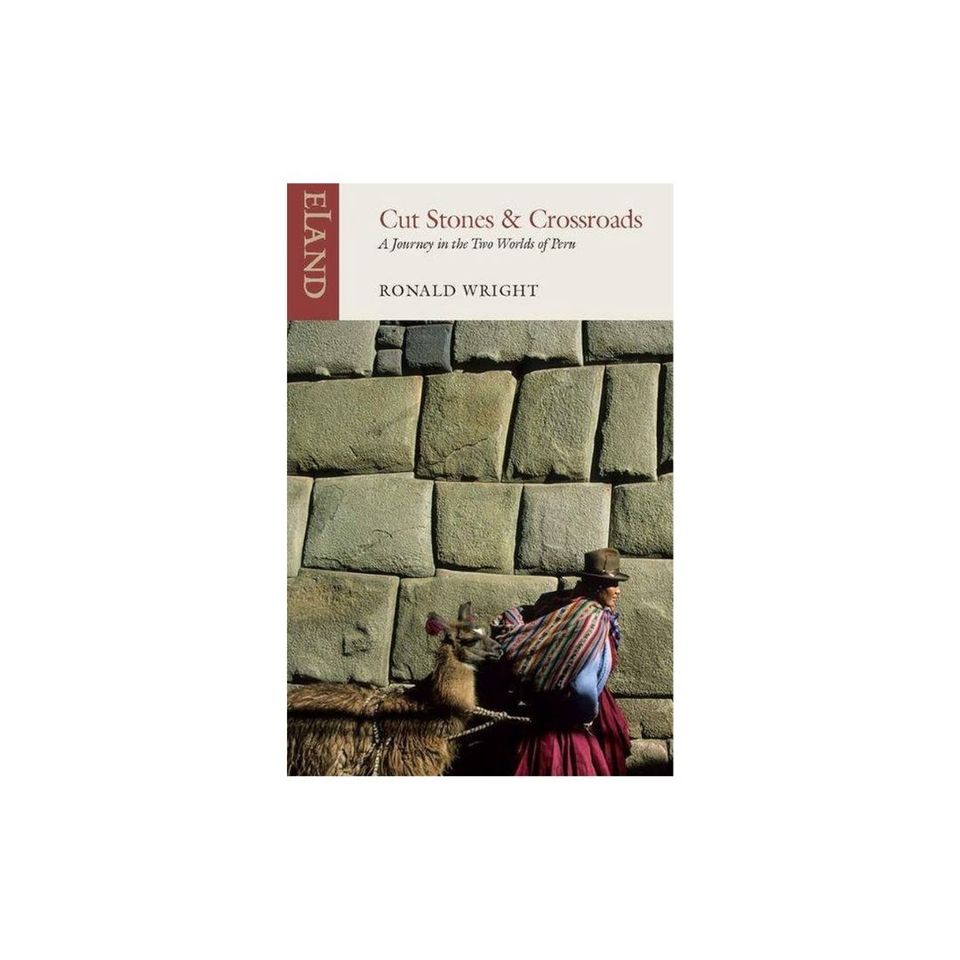
Cut Stones & Cross Roads – Ronald Wright
Ronald Wright is a multi-award-winning Canadian author of travelogues, history books and fiction. He has also written a book about his journey through Peru.
Ronald Wright’s account of Peru is a chronicle of the country’s proud Inca heritage and of the modern mestizo nation. A story of two worlds. Beginning in Cajamarca, where the Spanish first defeated the Inca army, Wright traces indigenous history back to its mythical origins at Lake Titicaca. Yet Wright is equally interested in the chance encounters along the way – the music of everyday life – and, above all, in the reality of life for the indigenous Runa Indians. He moves between the desert and the mountains, the Spaniards and the Indians, and explores, with both admiration and anger, the place of their ancient traditions in modern-day Peru.
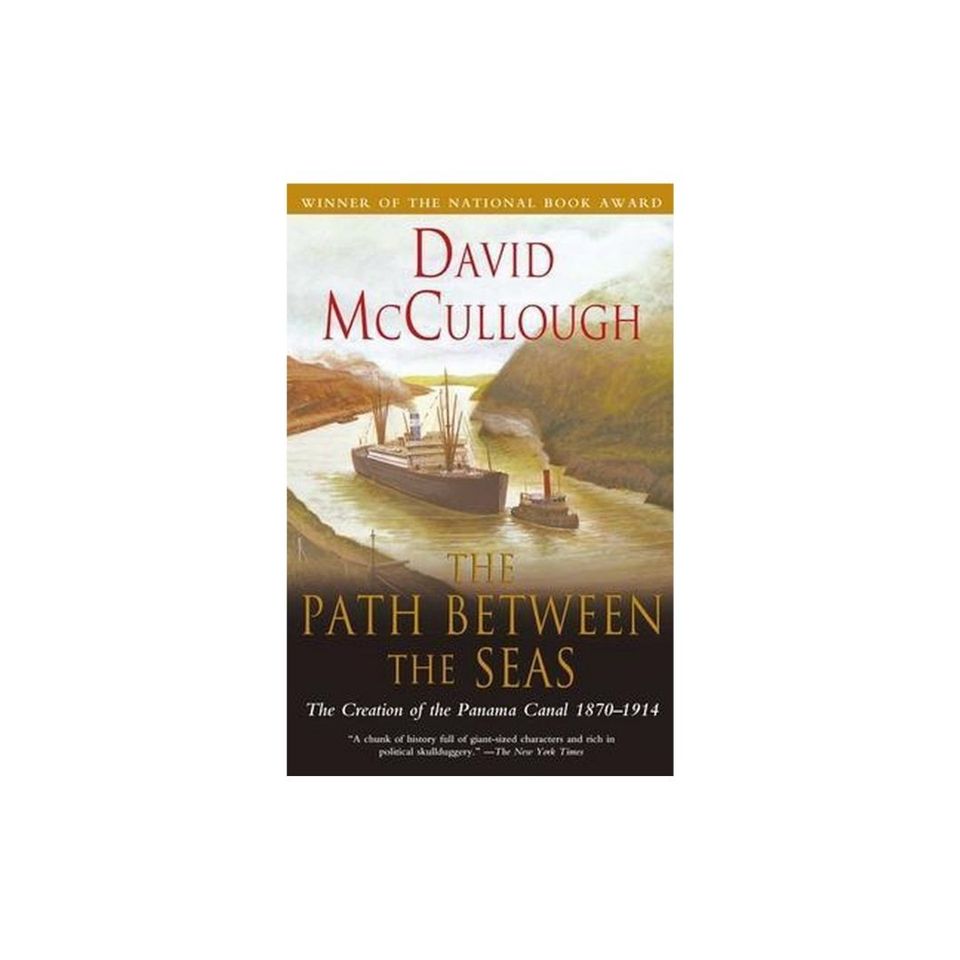
The Path Between the Seas – David McCullough
*The Path Between the Seas* tells the story of the creation of the Panama Canal. It recounts the story of the men and women who, against all odds, fought to realise the 400-year-old dream of building a waterway between the Atlantic and the Pacific Oceans. It is a story of astonishing technical feats, tremendous medical achievements, political power struggles, heroic successes and tragic failures. Drawing on his remarkable gift for clear, vivid prose, McCullough weaves the many threads of this momentous event into a comprehensive and compelling narrative.
Subscribe to newsletter
Sign up for our newsletter and receive new travel inspiration about Latin America every two weeks.