
Buenos Aires
The Paris of the Southern Hemisphere
There’s no better place to start your trip of Argentina than Buenos Aires. With its diverse neighbourhoods, each with its own character, the wide avenidas, beautiful squares, the proud and friendly Porteños, and the historic buildings, Buenos Aires has many faces and offers something for everyone. It’s a city that won’t bore you in a hurry.
Discover Buenos Aires
-
Explore the Argentine capital by bike
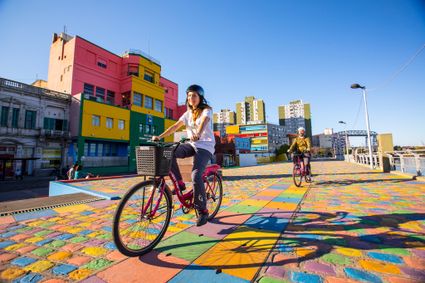
Hop on a bike and let us show you around the city. Visit the colourful La Boca neighbourhood or cycle through the modern Palermo Soho.
-
Discover the Tango
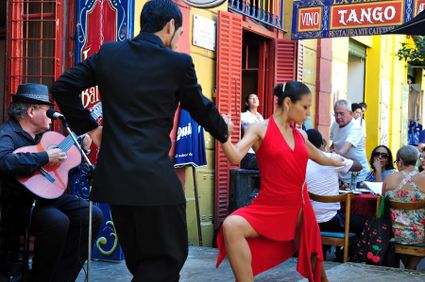
Buenos Aires is the birthplace of the tango. The tango is danced both during the day on the streets and in the evening at exclusive shows. Be amazed by the world’s best tango dancers during the tango show.
Read the blog about the tango > -
The flea market at Plaza Dorrego in San Telmo
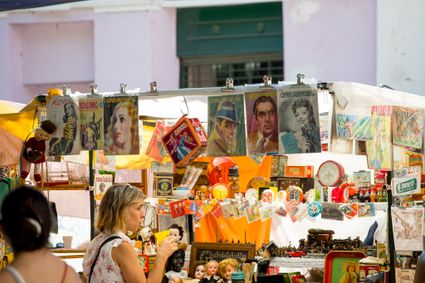
The historic San Telmo district is renowned for its tango and its wonderful antique shops. The main square in this district is Plaza Dorrego. Be sure to visit the antique market here on Sunday mornings.
-
Visit one of the world’s largest cattle markets
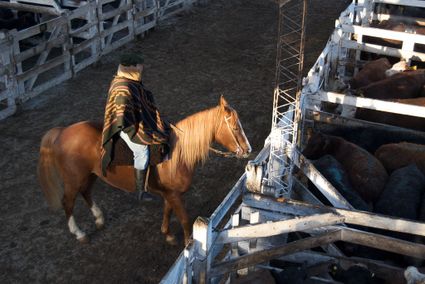
Tens of thousands of cattle are auctioned every day. The auctioneer begins to rattle off the bids and, with a single gesture, the cattle are sold. The sale is sealed with a handshake. A fascinating spectacle.
-
Treat yourself to a culinary experience at Chila restaurant
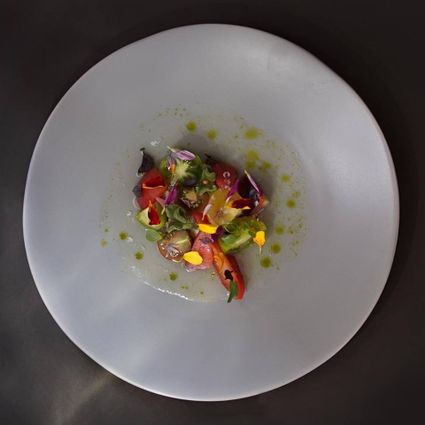
Enjoy an incredible culinary experience that goes beyond just food; it engages all your senses from the very moment the dish is presented at your table. Chila restaurant was voted one of the world’s 50 best restaurants in 2018.
-
Discover the ‘hidden bars’
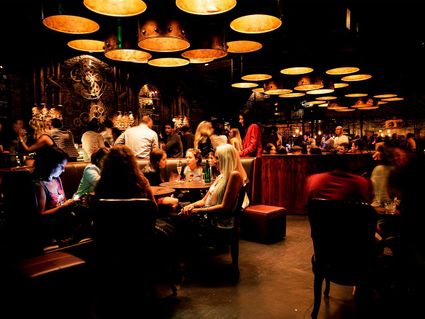
Treat yourself to a drink in one of the speakeasy bars, or ‘hidden bars’. These hidden gems of Buenos Aires’ nightlife are sometimes tucked away behind an inconspicuous door. Sometimes you have to walk through a small shop to reach one of these bars, or you might even need a password to get in.
-
Experience a football match at La Bombonera

If there’s one thing Argentinians are passionate about, it’s football. Experience the authentic local Argentinian football culture and watch a Boca Juniors match at La Bombonera.
Buenos Aires is the capital of Argentina. The city is situated on the country’s east coast, directly on the Río de la Plata. As well as being the capital, it is also the country’s largest city and one of the largest cities in the whole of South America. It is often regarded as one of the most important economic and cultural centres on the entire continent. The metropolitan area (Gran Buenos Aires) has a population of around 16 million, of whom some 3 million live in the city of Buenos Aires.
The European influence in the city is clearly visible, particularly in its architecture. The city is often compared to Paris. Although the European influences are clearly visible, the city has also managed to retain a strong identity of its own; think of the tango music and dance that originated here and remain an important part of city life to this day. With numerous attractions, including the Plaza de Mayo, the colourful La Boca district and the chic Recoleta district, as well as a vibrant nightlife, you’ll never get bored in this city!
History
Buenos Aires was first founded in 1536 by the Spanish explorer Pedro de Mendoza, but the settlement was soon abandoned due to food shortages and attacks by the indigenous population. Buenos Aires was subsequently refounded in 1580 by Juan de Garay under the name ‘Ciudad de la Santísima Trinidad y Puerto de Nuestra Señora de los Buenos Aires’. In 1810, Buenos Aires played a vital role in the May Revolution, which led to the deposition of the Spanish viceroy. This marked the beginning of Argentina’s struggle for independence. Argentina finally became officially independent from Spain in 1816. From the late 19th century onwards, mass immigration began, mainly from Europe, which contributed to the city’s diverse cultural makeup. Since then, Buenos Aires has grown to become one of the largest and most prosperous cities on the continent. In the years that followed, the city experienced periods of political instability, marked by economic crises and military dictatorships. Between 1946 and 1955, the city was led by President Juan Domingo Perón, during which time the influential political movement known as Peronism gained increasing prominence. Today, Buenos Aires is a major cultural centre renowned for its literature, art and, of course, the tango.
The characteristic neighbourhoods of Buenos Aires
Buenos Aires is divided into various neighbourhoods, each with its own unique character. We highly recommend visiting several of these neighbourhoods to get a good and comprehensive impression of the city.
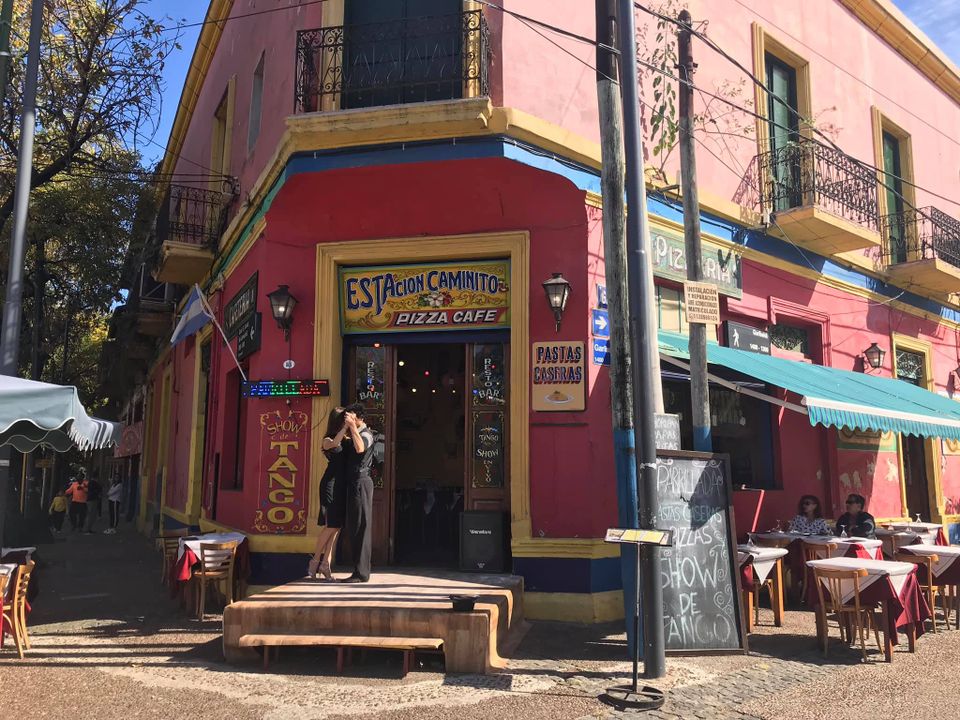
La Boca
La Boca is a colourful and iconic old working-class neighbourhood, where you can stroll through narrow alleyways and past colourful little houses. The neighbourhood is renowned for its history, culture and vibrant street art. Originally, this neighbourhood was inhabited mainly by Italian immigrants and was also an important port area. A visit to La Boca isn’t complete without a trip to ‘Caminito’; this famous street is also an open-air museum, known for its colourful houses and the tango dancers and music on the streets. On this street, you’ll find many local artists exhibiting and selling their work. As well as art, La Boca is also a must for football fans: the home ground of the famous football club Boca Juniors is located in this neighbourhood. The stadium, known as La Bombonera, has become something of a place of pilgrimage for football fans from all over the world.
Recoleta
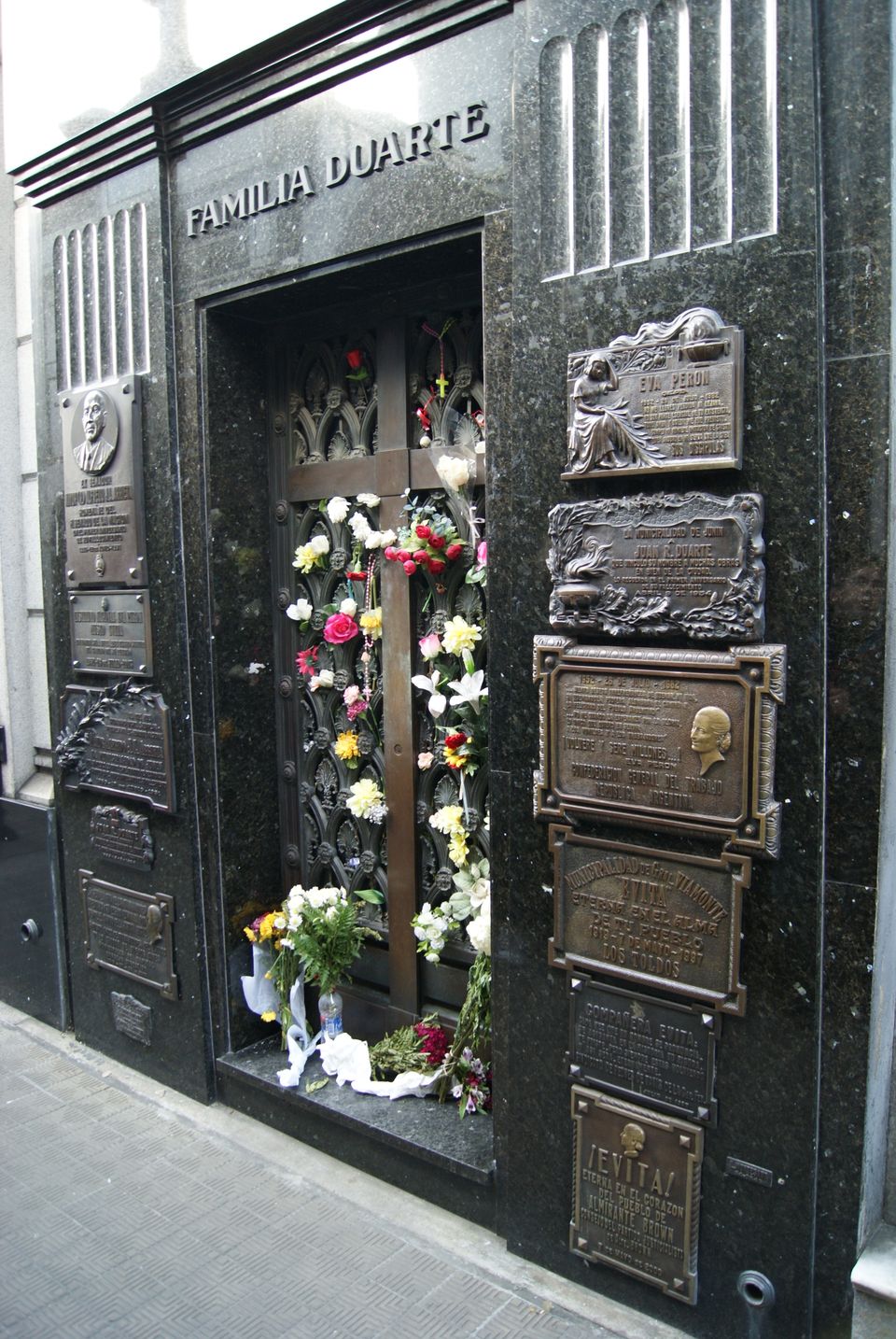
Recoleta is one of the city’s most affluent neighbourhoods and, as such, one of the most expensive places to live. It is an elegant neighbourhood best known for its beautiful, stately French-style houses. The streetscape of Recoleta is therefore often compared to that of Paris. The neighbourhood’s main attraction is the ‘Cementerio de la Recoleta’, which ranks among the world’s most famous cemeteries. Here you will find some of the most magnificent mausoleums and tombs, and many prominent Argentinians are buried here. The most visited grave is that of Eva Perón, also known as Evita. A visit to the Recoleta neighbourhood is also highly recommended for those who enjoy (luxury) shopping.
San Telmo
The historic San Telmo district is characterised by the tango and its wonderful antique shops. It is one of the most charming and oldest districts in Buenos Aires. It used to be a prosperous neighbourhood inhabited by the elite; later, they all moved to other, more northerly neighbourhoods, turning it into a multicultural working-class area. Stroll through the narrow, cobbled streets and soak up the authentic, historic atmosphere. The main square in this neighbourhood is Plaza Dorrego. Here, you can visit the Sunday morning antiques market (the Feria de San Telmo). You’ll also find the National Historical Museum here, as well as ‘El Zanjón de Granados’, an underground network of tunnels and cisterns that offer a fascinating insight into the city’s history. San Telmo is also renowned for its tango scene, with many ‘milongas’ (tango dance halls) where tango shows are performed daily.
Palermo
One of the largest and trendiest neighbourhoods at the moment is Palermo. The neighbourhood is known for its lively atmosphere and culinary offerings. Palermo comprises several sub-neighbourhoods, including Palermo Soho, particularly known for its boutiques, vibrant nightlife and numerous cafés, and Palermo Hollywood, which is renowned for its many bars and restaurants as well as its television and film production studios. Palermo Viejo is also worth a visit as it is the most historic part of the neighbourhood, where you’ll find a lovely mix of old and modern architecture. Palermo is home to both the Botanical Gardens and the Japanese Garden of Buenos Aires. Palermo – and Palermo Soho in particular – is a perfect place for shopping; be sure to visit the Feria de Plaza Serrano street market, where you can buy a variety of handmade products, clothing and art. Palermo is a pleasant neighbourhood to stay in; many old buildings have been transformed into charming boutique hotels or restaurants. There are also several excellent restaurants here offering a wide range of cuisines. Traditional Argentine cuisine comes highly recommended!
Microcentro
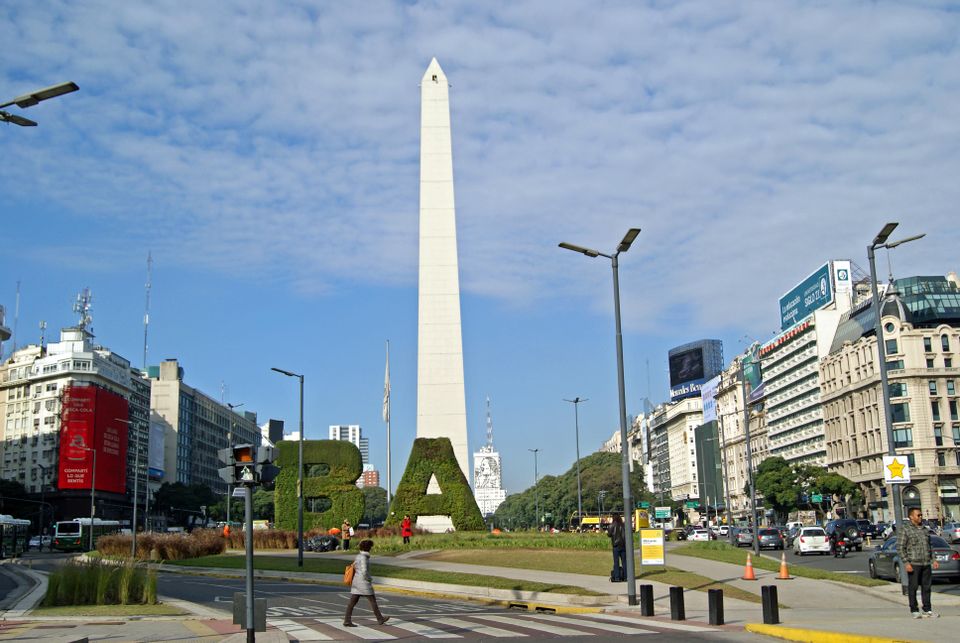
The commercial heart of the city is the Microcentro district. As well as bustling shopping streets, offices, banks and important government buildings, the district is also home to the city’s historic landmarks. The Plaza de Mayo is an important historical and political site, surrounded by significant buildings such as the Casa Rosada (presidential palace) and the Catedral Metropolitana. The ‘Avenida de 9 Julio’ also runs right through the city centre, passing largely through Microcentro. This Avenida de 9 Julio is one of the widest streets in the world (over 140 metres wide), with the iconic Obelisco at its centre, which is also one of the city’s most recognisable landmarks. Shopping enthusiasts will be in their element on Calle Florida, a pedestrianised area brimming with shops, cafés, street performers and street markets.
Puerto Madero
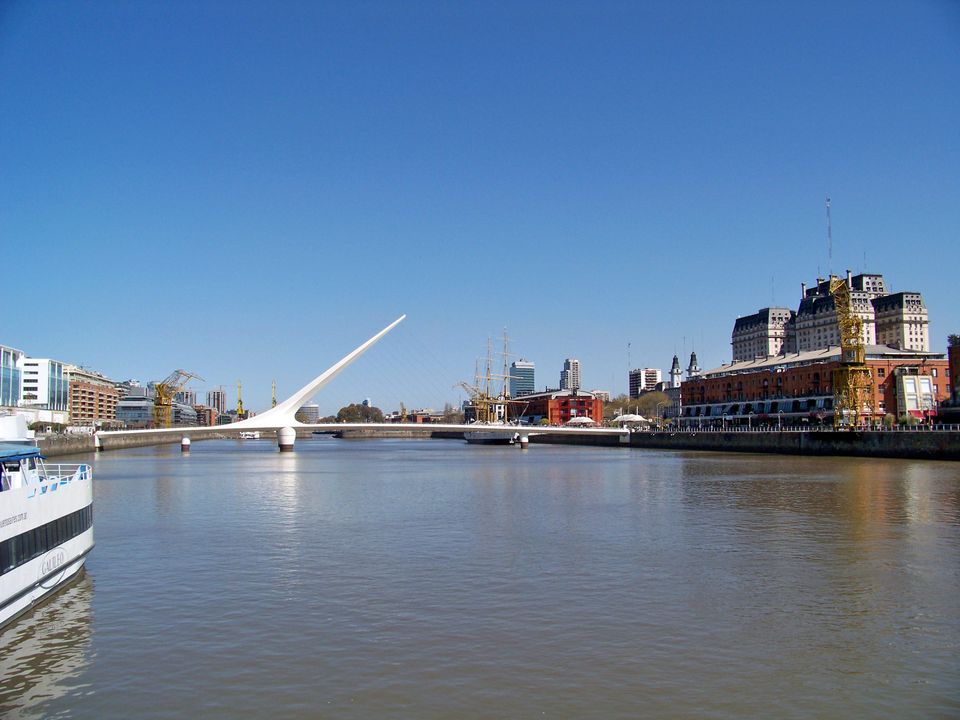
Welcome to the most modern district of Buenos Aires. Puerto Madero, which was once built as the city’s main port, was completely redeveloped in the 1990s and has since become the city’s most modern district. Former warehouses have been completely renovated and converted into (luxury) flats, offices and even restaurants and shops. A number of Buenos Aires’ luxury hotels and upmarket restaurants are located in this district. The district’s most important landmark is the ‘Puente de la Mujer’ (Women’s Bridge), an iconic pedestrian bridge with a unique asymmetrical design that serves not only as a bridge but also as a work of art. The bridge takes its name from the surrounding streets, all of which are named after women. Furthermore, the bridge’s design is seen by many as an abstract representation of a couple dancing the tango.
Places of interest
In a city the size of Buenos Aires, there are plenty of sights well worth visiting to get a good impression of the city. As well as the various neighbourhoods, which are attractions in their own right, we have put together a list of some of the must-see sights for you:
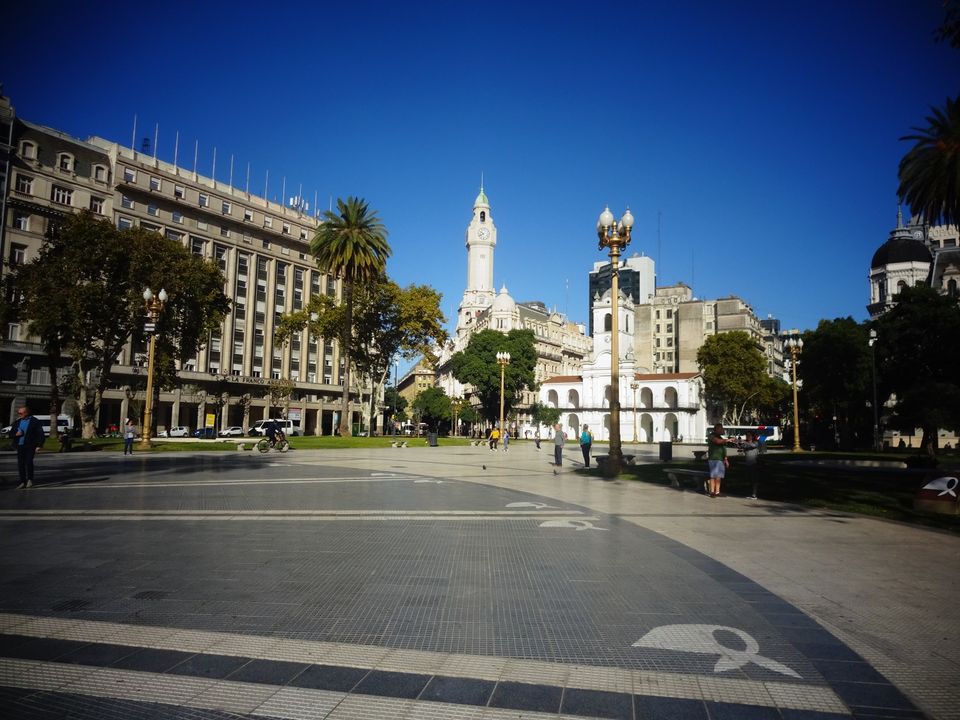
Plaza de Mayo
In the heart of the historic centre lies Plaza de Mayo, a square of great political and historical significance to the city. Among other things, it is home to the Casa Rosada – familiar to many from the balcony scene in Evita – and the Catedral Metropolitana. Plaza de Mayo also became famous for the ‘Madres de Plaza de Mayo’, who used to gather here every week (and still do from time to time).
Caminito & La Bombonera
No visit to Buenos Aires is complete without a trip to the colourful Caminito street in La Boca. Stroll through this lively street filled with street performers, music and tango dancers. Don’t forget to pay a quick visit to La Bombonera football stadium, home to the famous Boca Juniors football club, where football legends such as Diego Maradona and Gabriel Batistuta once played.
Avenida 9 de Julio and the Obelisk
Be sure to visit Avenida 9 de Julio, one of the widest streets in the world. In the middle of this immense street stands the Obelisk of Buenos Aires. Avenida 9 de Julio runs right through the heart of Buenos Aires and is almost impossible to miss.
Recoleta Cemetery
One of the most famous cemeteries in the world, where Eva Perón (Evita) is buried. A stroll through the cemetery is a wonderful experience thanks to the many impressive mausoleums and tombs to be found here.
Puente de la Mujer
From the ‘Puente de la Mujer’ footbridge, you’ll have a magnificent view of Buenos Aires; where you can see the modern skyline of the Puerto Madero district, look out over the waterways and the various yachts and boats moored there, and even catch a glimpse of the Costanera Sur Ecological Reserve in the distance. At sunset, the view of the blend of old and new architecture is particularly striking as it is bathed in golden-yellow hues. As you walk across the bridge, do take a moment to admire its unique design!
Teatro Colón
The Teatro Colón is one of the most prestigious opera houses in the world. It is best known for its excellent acoustics and stunning architecture.
El Ateneo Grand Splendid
For book lovers: in a former theatre in the Recoleta district, you’ll find the bookshop ‘El Ateneo Grand Splendid’, one of the most beautiful bookshops in the world. In 2008, this bookshop was named the second most beautiful bookshop in the world by The Guardian. However, in 2019, National Geographic named it the most beautiful bookshop in the world.
Museums
Museo Nacional de Bellas Artes
The National Museum of Fine Arts is situated in the Recoleta district and houses an extensive collection of both Argentine and European works of art. These include works by El Greco, Rodin and Goya. It also hosts temporary exhibitions featuring both national and international artists.
National Historical Museum
The National Historical Museum is situated in San Telmo. Here you will find a collection of artefacts and documents relating to the Argentine struggle for independence and the country’s history. The collection includes, amongst other things, weapons, paintings and personal belongings of important figures and heroes from Argentine history.
Museo Evita
The museum, which is entirely dedicated to the life of Evita, or Eva Perón, is situated in the Palermo district. It is housed in a beautiful historic building that formerly served as a women’s shelter and was founded by Eva Perón herself. Evita is one of the most iconic figures in Argentine history. The museum contains various personal belongings as well as documents, photographs and videos that illustrate her life.
Museo Casa Rosada
The Museo Casa Rosada is situated beneath the Casa Rosada, the presidential palace located on the Plaza de Mayo. The museum focuses primarily on political history, Argentine presidents and political movements. Here you will find various artefacts and documents, as well as multimedia presentations.
The area around Buenos Aires
Although Buenos Aires is in itself a large, fascinating city with a variety of interesting neighbourhoods and attractions, the area surrounding the city is also well worth exploring for those who have more time to spend in and around Buenos Aires.
Tigre Delta
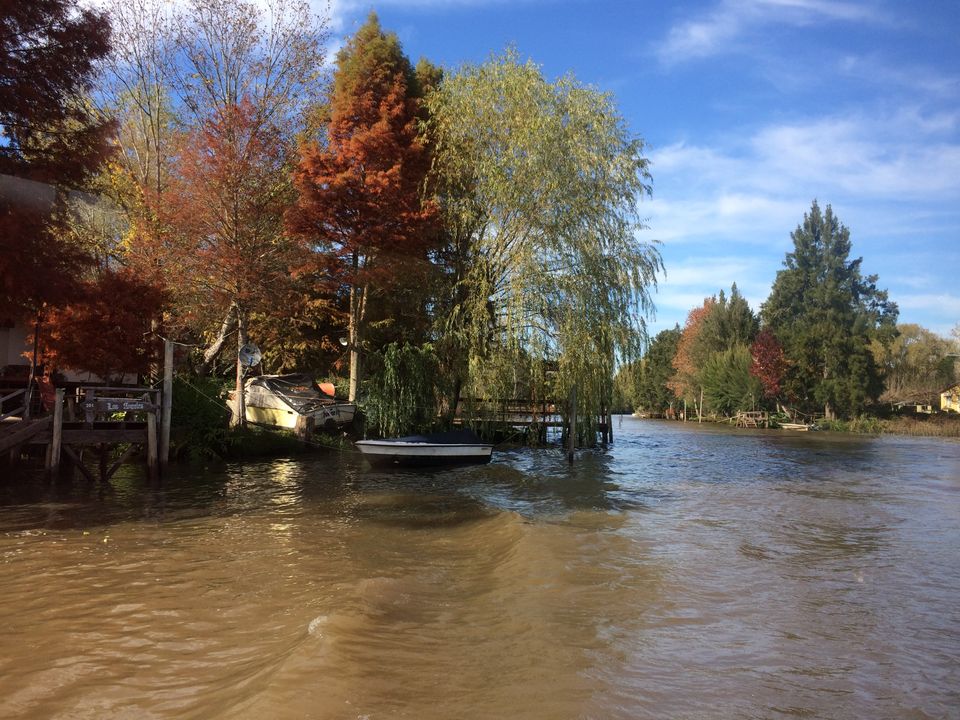
Tigre and the delta of the same name are situated about 30 km north of Buenos Aires. It is a popular place for Argentinians to have a holiday home. For tourists, it is a popular spot to take a relaxing boat trip through the delta and enjoy the green surroundings. As well as the boat trips, you can visit the Museo de Arte Tigre, and the Puerto de Frutos market is a lovely place to visit.
San Antonio de Areco
The village of San Antonio de Areco is situated some 115 km from Buenos Aires in the province of Buenos Aires and is the perfect place to experience authentic gaucho life. The village lies in the heart of the Argentine pampas and is renowned for its gaucho traditions. We’ll arrange for you to stay at one of Argentina’s oldest estancias. The buildings have been beautifully renovated whilst retaining their authentic features. At the estancia, you can take part in various activities, such as horse riding, mountain biking or a horse-and-carriage ride. The village of San Antonio de Areco is about 13 km from the estancia, where you can also visit the Museo Gauchesco Ricardo Güraldes.
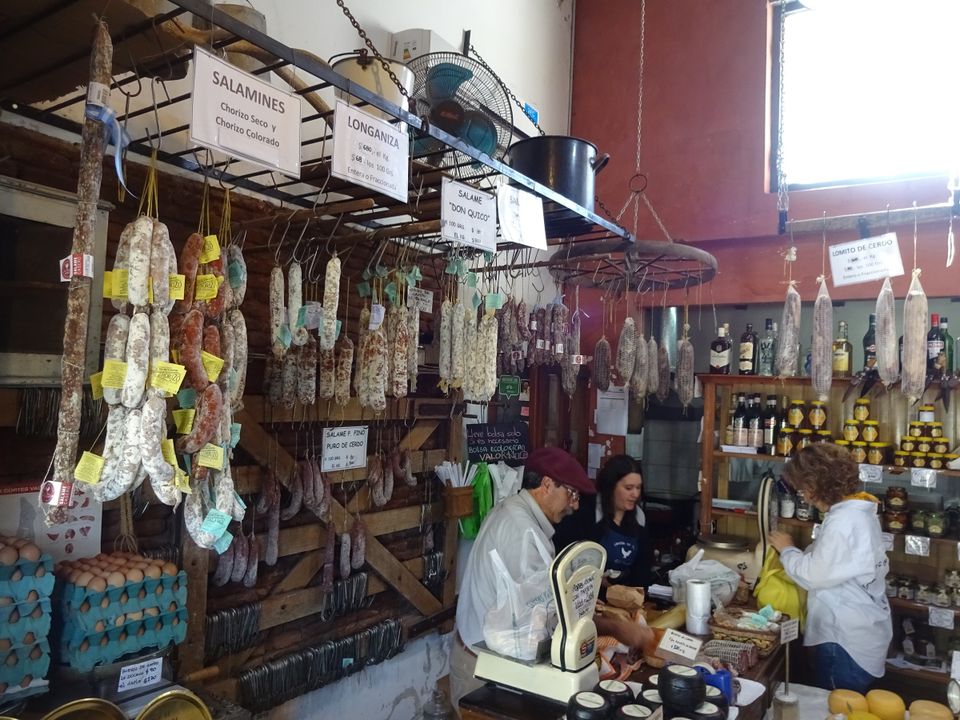
Colonia del Sacramento in Uruguay
You can travel by boat across the Río de la Plata in just one hour to the historic town of Colonia del Sacramento in Uruguay. This town has been on the UNESCO World Heritage List since 1995 and it feels as though time has stood still here. Colonia del Sacramento is a melting pot of typical 17th-century Portuguese and Spanish low-rise architecture. Stroll through the charming cobbled streets and feel as though you’ve stepped back in time. Explore the various sights, such as the old city gate, the historic Calle de los Suspiros, the beautiful squares and the local church, the Iglesia Matriz.
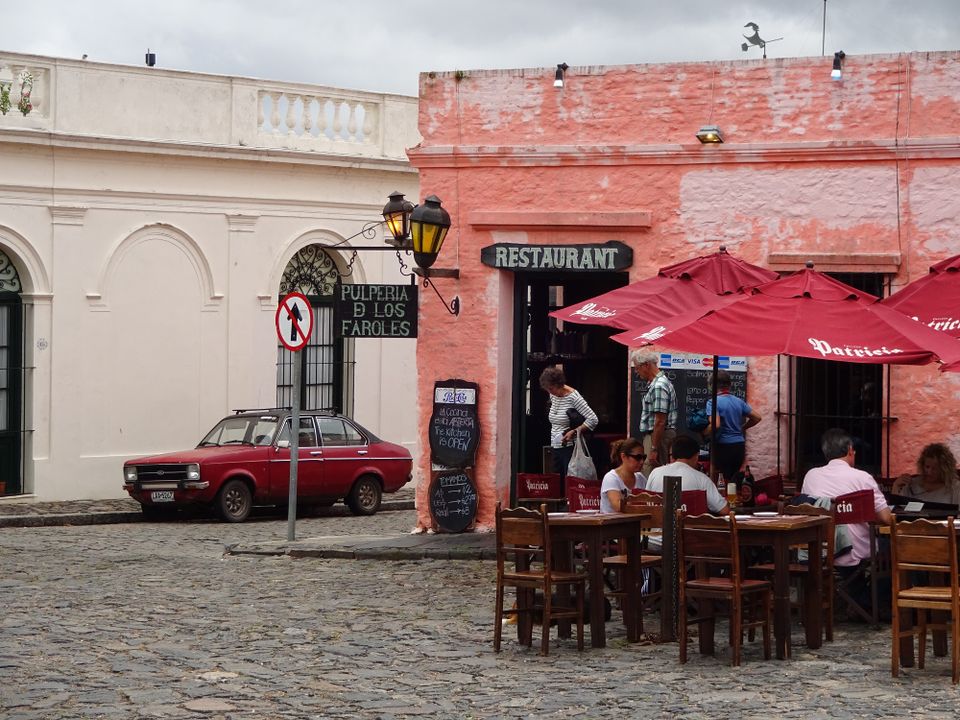
Unique accommodation
-
Legado Mitico

Experience the charm of the elegant boutique hotel Legado Mítico in Buenos Aires. This small-scale, luxury hotel exudes history and is situated in the Palermo Soho district. The 11 rooms are all named after icons from Argentine history. You can choose to stay in the Che Guevara or Evita Perón room, for example.
-
1828 Smart Hotel
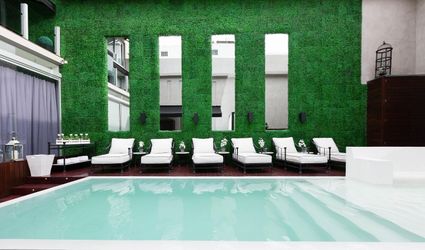
At the 1828 Smart Hotel in the trendy Palermo district, you’ll find modern elegance with 14 stylish rooms, innovative technology and excellent service. If you’re looking for contemporary luxury and comfort and appreciate a dynamic urban setting, the 1828 Smart is the perfect choice.
-
HUB Porteño
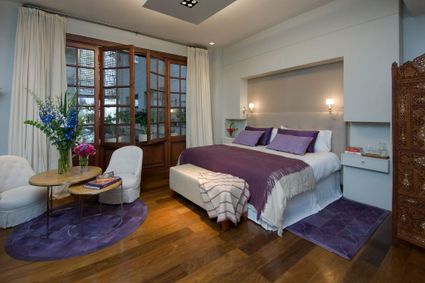
In the chic Recoleta district, you’ll find the HUB Porteño hotel, which, with just 11 rooms, offers an intimate and luxurious stay. Stay in one of the elegant suites and enjoy the personalised service. Anyone looking for an authentic Argentine experience combined with comfort, luxury and top quality will be in their element at HUB Porteño.
-
Algodon Mansion
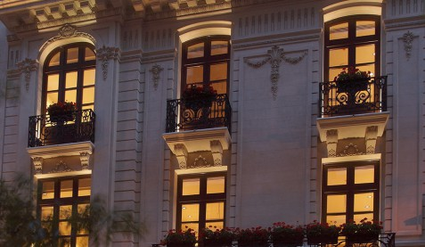
Discover luxury at the exclusive Algodon Mansion boutique hotel, situated in the stylish Recoleta district. The hotel is housed in a historic building dating from 1912 and features a classic French design. Here you’ll find comfortable suites, a stunning roof terrace and superb dining experiences.
The wines and ingredients used in the refined dishes served here come from the Algodon Bodega in Mendoza. -
CasaSur Palermo
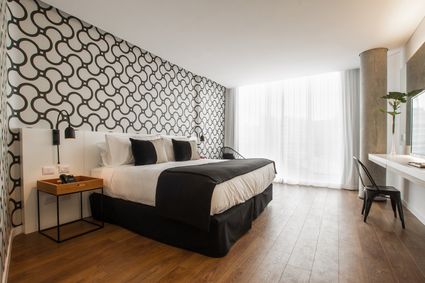
In the trendy Palermo district, you’ll find the CasaSur Palermo. The hotel offers luxurious rooms with modern amenities and a stylish swimming pool. Thanks to its location in the lively Palermo district, the hotel offers the perfect blend of comfort and urban flair, whilst providing plenty of space to retreat in peace and quiet.
Fancy a road trip through Argentina?
Would you like to organise your own trip of Argentina and are you curious about the options available? Then do take a look at the itineraries we’ve put together for inspiration. You can book these tours directly, but we’d also be happy to put together a personalised itinerary based on your wishes and ideas.
Do you have a question? Please feel free to contact us. Call +31 73 610 62 04 or send an email to info@sapapanatravel.nl. We’ll be happy to help.