Bogotá
A multifaceted metropolis in the clouds
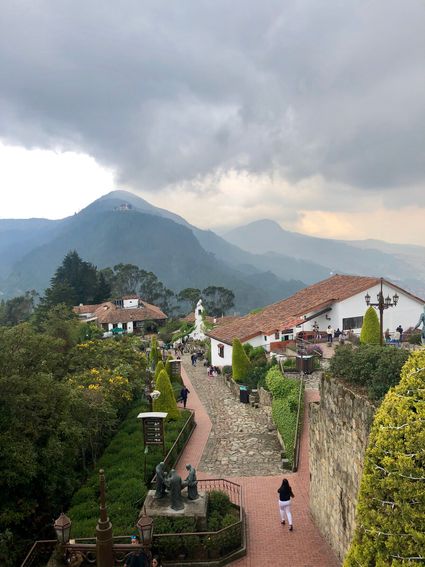
In Bogotá, you’ll find a melting pot of people from all over the country; it’s a diverse and multicultural city, with a mix of modern and colonial architecture. Bogotá is a surprisingly green city with numerous parks, the Andes mountains to the east and stunning views of the sanctuaries of Monserrate and Guadalupe.
Discover Bogotá
Capital of Gran Colombia
Bogotá is the capital of Colombia and, with a population of 8 million, also the country’s largest city. The city lies at an altitude of 2,600 metres and therefore has a somewhat cooler climate, with temperatures generally ranging between 15ºC and 20ºC. It is a cosmopolitan city offering a blend of history and modernity.
History
Before the Spanish arrived in the area we now know as Bogotá, it was inhabited by indigenous peoples such as the Muisca. Bogotá was eventually founded in 1538 as Santa Fe by the Spanish conquistador Gonzalo Jiménez de Quesada. Bogotá played a significant role in Colombia’s struggle for independence from Spain. Simón Bolívar and Francisco de Paula Santander, two key figures in the struggle for independence, established their governments in Bogotá following their victory at the Battle of Boyacá. In 1819, Simón Bolívar chose Bogotá as the capital of Gran Colombia, a country comprising not only Colombia but also Panama, Venezuela, Peru and Ecuador. In the 20th century, Bogotá developed into a modern metropolis that underwent rapid urbanisation, experienced significant industrial growth and faced considerable political instability. Today, Bogotá’s well-preserved colonial centre takes you back to all this history. In light of this, a visit to the Museo del Oro, with its significant collection of pre-Spanish artefacts, is certainly well worth it.
Interesting neighbourhoods
Bogotá has several interesting neighbourhoods, each with its own unique character. In our opinion, the most interesting neighbourhoods are:
Chapinero
With a lively mix of boutiques, bars, restaurants and art galleries, this is one of Bogotá’s trendiest neighbourhoods. The nightlife here is buzzing!
La Candelaria
This is the historic centre of the city. This old neighbourhood boasts a rich architectural and cultural heritage and consists of old ‘stately homes’ and grand Spanish colonial buildings with iron-barred windows, thick, sturdy wooden doors, balconies and inner courtyards with beautiful hidden gardens. Attractions such as the Botero Museum, the Gold Museum and Plaza Bolívar are all located in this neighbourhood. A lovely neighbourhood for a stroll and soaking up the culture!
Parque 93
Like Usaquén, Parque 93 is also situated in the north of Bogotá. This is an upmarket neighbourhood with plenty of green spaces, good restaurants and exclusive shops. The park located within the neighbourhood is popular with locals.
Usaquén
In the north of Bogotá lies the charming neighbourhood of Usaquén, known for its bohemian atmosphere with cobbled streets and craft markets. Just like Zona G, it is also a popular neighbourhood for foodies, with many restaurants and cafés.
Zona G
This is also regarded as the gastronomic heart of Bogotá, the ideal neighbourhood for foodies! Here you’ll find plenty of restaurants offering everything from local delicacies to a wide variety of international dishes.
Zona Rosa
The Zona Rosa is Bogotá’s commercial and nightlife hub. It is a popular neighbourhood for both locals and tourists looking for entertainment. The Zona Rosa is home to numerous shops and boutiques for a spot of retail therapy, as well as a variety of bars, clubs and restaurants for an evening out.
Culture and cuisine
There are plenty of good restaurants, cosy bars, exclusive shops, charming markets, pleasant parks and nearby nature reserves to be found. A visit to ‘Paloquemao Square’ is highly recommended; this is home to one of Bogotá’s largest food markets. Here you’ll find meat, fish, vegetables, fruit, flowers, beans, quinoa, seeds, coffee and, in fact, just about anything you can think of. If you’re a fan of trinkets and markets, you can head to the San Alejo flea market on a Sunday. This is part of Bogotá’s cultural heritage, where around 300 artists, craftspeople, collectors, art restorers and small-scale producers offer their wares.
Finally, every August, Bogotá celebrates its carnival in and around Simón Bolívar Park; around 2,000 performers dance to the rhythms of salsa, cumbia, pasillo, currulao and other popular music styles.
![]()
Places of interest in Bogotá
Bogotá has plenty of sights and museums that are well worth a visit. We’ve listed a few of them for you:
Plaza Bolívar
Plaza Bolívar is the central square in the historic centre and is also an important symbol of Bogotá’s history and culture. It is regarded as the political and cultural heart of the city. The square is named after Simón Bolívar, in tribute to his legacy. Simón Bolívar was a key figure in the Latin American struggle for independence, which is why a large statue of him stands in the square. The square has a rich history and has been the scene of countless political and cultural events. The square is surrounded by various neoclassical government buildings, such as the Casa de Nariño (Presidential Palace), the Palacio de Justicia (Palace of Justice), the Capitolio Nacional (Parliament) and Bogotá Cathedral.
For many street performers and vendors, it is the ideal place to sell their wares, as there are always plenty of people and a buzz of activity in and around the square.
Cerro Monserrate
This iconic mountain, situated to the east of the city centre, towers above Bogotá’s skyline. From here, you can enjoy a stunning panoramic view of the entire city and the Andes Mountains. Monserrate can be reached by cable car, by mini-train or on foot via a dedicated footpath. From the foot of the mountain, the cable car and mini-train take you to the top. As well as being popular for its breathtaking views of the city, Monserrate also holds religious significance. The Basilica of Our Lady of Monserrate stands on the mountain and is a place of pilgrimage for many Catholics in Colombia. Pilgrims often climb the mountain as a sign of devotion and to pray at the sanctuary. On the mountain, alongside the Basilica, you will also find a few restaurants, souvenir shops and several viewing points overlooking various parts of the city.
Botero Museum
This colonial house is filled with works of art created and donated by Fernando Botero. Fernando Botero is renowned for his distinctive style characterised by exaggerated proportions. The museum’s collection comprises paintings, sculptures and other works of art by Botero. In addition, his personal collection includes works by international masters such as Picasso, Monet, Renoir, Matisse, Dalí and Giacometti. He has donated these to the Botero Museum.
Museo del Oro
The Gold Museum houses one of the world’s largest collections of pre-Hispanic gold artefacts and is managed by the Banco de la República. All these artefacts were crafted by various indigenous cultures that once inhabited what is now Colombian territory. Peoples such as the Muisca, the Quimbaya and the Tairona were highly skilled in working with gold and creating works of art from it. During a visit to the Gold Museum, you will therefore learn more about Colombia’s ancient cultures and civilisations and the use of gold in their rituals and art. It is a modern museum with interactive displays, multimedia experiences and information available in several languages.
Bogotá Museum of Modern Art
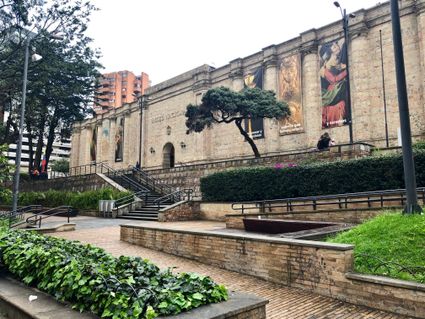
Contemporary artworks by both Colombian and international artists can be admired at the Museum of Modern Art in Bogotá. With regularly changing exhibitions, modern art enthusiasts can marvel at a wide range of modern art in this museum.
National Museum of Colombia
The National Museum of Colombia is the country’s oldest museum. Here you will find an extensive collection of artefacts reflecting Colombia’s culture, history and art. Through prehistoric artefacts, colonial art and modern exhibitions, you will gain an in-depth insight into Colombia’s fascinating history.
3 Things to Do in Bogotá
Cycle trip
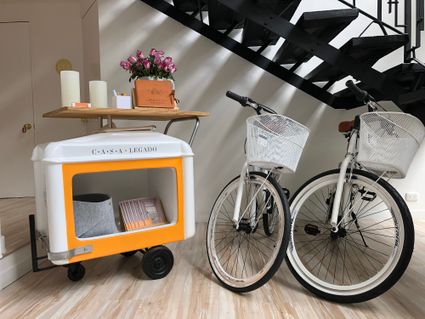
A cycle trip through Bogotá’s historic centre is a great way to get to know the city. As you cycle through the old neighbourhoods, you’ll see the typical stately houses with their Spanish colonial influences. You’ll visit places most tourists don’t get to see, and your guide will be happy to tell you more about Bogotá’s history, stories and highlights.
Graffiti/art trip
Take a graffiti trip through La Candelaria, the city’s historic centre. Bogotá is brimming with modern street art, murals and colourful graffiti, which is regarded as true art. Young artists were given permission to add colour to some of the city’s walls, allowing them to showcase their talent in broad daylight. These works serve as a form of artistic, social and political expression by the city’s (young) residents.
Culinary trip
During the culinary trip, your guide will take you to the traditional bakery ‘La Florida’, where you’ll enjoy a typical Andean breakfast. After breakfast, your trip begins in the city centre, where vendors, singers and performers gather to create a sort of street fair. During the trip, the history of the area will be explained and there will be several stops to sample Bogotá’s traditional food.
The Bogotá area
Not only Bogotá itself, but also the surrounding area is home to some special places that are definitely worth visiting during your stay in Bogotá, or before or after your stay in Bogotá as you continue your journey.
Zipaquirá
The historic town of Zipaquirá lies about 50 km north of Bogotá. It is best known for its salt mine, which has been converted into a church. This ‘Catedral de Sal’ (Salt Cathedral) is an underground structure built within the tunnels of the salt mine. As the Salt Cathedral has no bishop, it is not strictly speaking a cathedral.
Aside from the Salt Cathedral, Zipaquirá is a charming little town with a rich cultural heritage, featuring colonial buildings, a lively colonial market and museums. The views of the Andes surrounding Zipaquirá are stunning!
Villa de Leyva
A visit to the charming town of Villa de Leyva is like a romantic journey back in time. It is renowned for its colonial architecture, with cobbled streets, whitewashed houses and historic churches. The central square, Plaza Mayor, covers 14,000 m² and is one of the largest squares in South America. The church situated on this square dates back to the 17th century and is certainly worth a visit.
Just outside the centre of Villa de Leyva is the Fossil Museum, where you can admire fossils of prehistoric creatures.
Guatavita
Guatavita is a picturesque little town best known for the nearby Laguna de Guatavita. This crater lake, situated at around 3,000 metres above sea level, holds historical, spiritual and cultural significance. It was the homeland of the Muisca people and is also the setting for the local legend of El Dorado. According to this legend, the indigenous tribes would cover themselves in gold dust, then dive into the lake and throw golden objects into it as offerings to their gods. This has given rise to an obsession with finding the mythical city of ‘El Dorado’, where it is believed that immeasurable riches lie. To this day, the city has never been found, but it remains an important part of Colombian history. Many visitors come to the lake every year because of the mystery surrounding it. It is also a nature reserve home to many bird species, such as hawks and various types of hummingbirds. There are also many native tree species to be found, such as the Mano de Oso, Uvos de Monte and Té de Bogotá.
The little town of Guatavita itself is charming, with its colonial architecture and craft shops selling local art and handicrafts.
Fancy a trip of Colombia?
Would you like to organise your own trip of Colombia, including a visit to Bogotá, and are you curious about the options available? Then do take a look at the itineraries we’ve put together to inspire you. You can book these tours directly, but we’d also be happy to put together a personalised itinerary based on your preferences and ideas.
Do you have a question? Please feel free to contact us. Call +31 73 610 62 04 or send an email to info@sapapanatravel.nl. We’ll be happy to help.