
Paramaribo
It is the country’s only real city, but in truth it is little more than a large village. Suriname’s status as a melting pot of cultures is best reflected here. The historic buildings from the colonial era are magnificent. It is therefore no surprise that this part of the city has been included on UNESCO’s World Heritage List.
-
Guided city walk

A walk through Paramaribo with a knowledgeable guide is an absolute must. There is so much to see, but with a good explanation you’ll gain a much better understanding of Suriname’s eventful history. If you’re travelling with children, we’ll organise an exciting treasure hunt to ensure they have a fun walk too.
-
The market on the west side

The place where you can literally and figuratively get a taste of Suriname’s colourful culture is the Central Market on the Waterfront. It’s lovely to spend some time strolling around here. As well as the Central Market, the Chinese Market and the Flea Market are also well worth a visit.
-
Fort Zeelandia

This iconic 17th-century fort naturally has a very eventful history. The foundations were originally laid by the English, but after it fell into the hands of the Zeelanders in 1667, it was fortified by the Dutch. The fort houses the Suriname Museum.
-
You’ll find the best rice dishes in Blauwgrond

Blauwgrond is the Javanese neighbourhood in the north of the city and is known for its so-called warungs, where you can enjoy delicious food. Blauwgrond is the culinary heart of the city, and locals from other parts of Paramaribo also come here for a bite to eat and a drink. We’d be happy to recommend the places you simply must visit.
-
By bike

You can go on lovely bike rides. For example, why not go on a lovely bike ride from Paramaribo to the Peperpot plantation?
-
Mosque and synagogue standing side by side in harmony

Paramaribo is probably the only city in the world where a mosque and a synagogue stand side by side in harmony. This is characteristic of Suriname, where many different cultures live peacefully side by side whilst retaining their own identities.
The capital of Suriname
Situated on the banks of the Suriname River, Paramaribo, the vibrant capital of Suriname, is naturally the best place to start a journey through Suriname. The city is steeped in culture, diversity and history. The majority of Suriname’s population lives in and around this city, yet it still feels more like a provincial town than the country’s capital. Suriname is a melting pot of cultures, and this is most evident in Paramaribo. The blend of Dutch colonial architecture with colourful Creole and Javanese influences is unique.
As well as being a cultural melting pot, Paramaribo is also known for its vibrant atmosphere, with music, dance and culinary delights, but certainly also for its friendly people.

History
Paramaribo was founded in 1630 by the English, but was soon taken over by the Dutch. They made it the capital of their colony. During this Dutch colonial period, Paramaribo became an important trading post, largely due to the plantations surrounding the city. Slaves were used here to cultivate crops such as sugar, coffee and cocoa.
Throughout its history, Paramaribo has endured much; two notable events were the city fires of the 18th century and the abolition of slavery in 1863. Both had a major impact on the city’s economic situation. In the 20th century, Paramaribo developed into a multicultural metropolis, where residents from diverse ethnic backgrounds and cultures live together. If you visit Paramaribo today, you will find yourself in a vibrant city steeped in history and culture, where the past and present come together in a unique way.
Architecture
Precisely because Paramaribo is a melting pot of cultures, this is clearly reflected in the city’s diverse architectural styles.
One of the most striking features is the presence of Dutch colonial buildings, such as wooden mansions with their characteristic tall windows and verandas, often adorned with elegant wood carvings. Thanks to its many well-preserved colonial buildings and charming streets, the historic centre of Paramaribo has been granted UNESCO World Heritage status.
Alongside the Dutch colonial buildings, there are also many structures built in the Surinamese wooden style. These colourful wooden houses on stilts are often decorated with beautiful wood carvings and intricate wooden panelling.
More modern architecture can be found in the business district and in the development of new (residential) neighbourhoods.

A mix of cultures
One of the defining features of Suriname, and Paramaribo in particular, is the cultural mix formed by the various ethnic groups living here together. This is the result of Suriname’s long history of immigration, dating back to the era of Dutch colonisation. This mix is reflected, amongst other things, in cultural traditions, architecture, languages, religions and cuisines. For instance, the culinary scene is diverse, featuring dishes from various cuisines, and the markets are lively; yet you will also find a mosque and a synagogue standing side by side in harmony.
Paramaribo is home to, amongst others, Creoles, Hindustani, Javanese, Maroons, Chinese, Lebanese, Europeans and indigenous groups such as the Saramaccans.
The Creole community makes up a significant proportion of the local population and consists of descendants of African slaves. The Creoles have a strong influence on the city’s culture, which is particularly evident in its music, religion and dance.
The Hindustani community also has a prominent presence in the city. They are descendants of indentured labourers from India and have retained many of their own traditions and customs, such as religious holidays and festivals.
The Javanese community forms a third, fairly large ethnic group in Paramaribo. They are descended from indentured labourers from Indonesia and have also preserved much of their traditional music, dance and, in particular, cuisine.
In short, Paramaribo is a fascinating and dynamic city, where people from different backgrounds live together harmoniously. A visit to Paramaribo offers a rich variety of cultural experiences.
Places of interest
These attractions are just a small selection of what Paramaribo has to offer, providing visitors with a fascinating blend of history, culture and natural beauty.
Historic Centre
The city’s historic centre, a UNESCO World Heritage Site, is full of beautiful Dutch colonial architecture. Here you’ll find old wooden mansions, churches and government buildings. It’s a lovely place to go for a stroll and get to know old Paramaribo.
St Peter and St Paul’s Cathedral
This wooden basilica is one of the most striking religious buildings in the city and is the largest wooden cathedral in South America. As well as being a religious centre, it is also a historical and cultural monument that reflects Suriname’s rich heritage. The cathedral was built in 1883, but was constructed over an existing church, with the old church being used as scaffolding and demolished just before the cathedral’s opening. Although the church was consecrated as early as 1885, it was not fully completed until 1887. The neo-Gothic wooden towers were not added until around 1901. The cathedral was renovated between 1977 and 1979, but was closed to the public in 1989. Restoration work on the church then resumed in 2002, but it was not until 2010 that it was reconsecrated and reopened.


Blauwgrond
The Javanese neighbourhood of Blauwgrond is situated in the north of the city and is known for its ‘warungs’, where you can enjoy delicious food. The neighbourhood is renowned for its lively atmosphere and culinary delights. The Javanese community settled in this neighbourhood in the late 19th century following the abolition of slavery and has had a profound influence on the Blauwgrond neighbourhood. As well as the range of delicious dishes on offer here, there are also various markets where local produce and handicrafts are sold.
The Waterfront
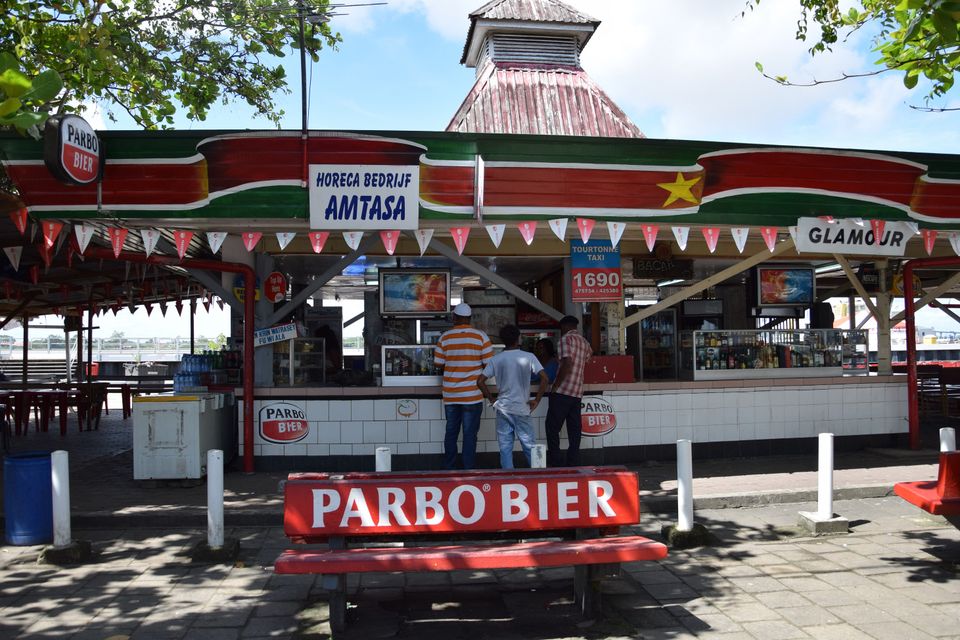
The atmospheric Waterfront lies on the banks of the Suriname River. The central market is a riot of smells and colours! It’s a popular spot for relaxing, enjoying the view over the river, but above all for sampling local dishes at one of the many food stalls. The Chinese market and the flea market are also well worth a visit.
Palm Garden
In the heart of the city, not far from the Waterfront, lies this beautiful green oasis, full of palm trees and tropical vegetation. The Palm Garden was laid out in the 17th century as a botanical garden for medicinal plants, but was transformed into a recreational park in the 19th century. It is a lovely place to relax, go for a walk or have a picnic. It also regularly serves as a venue for concerts, festivals and markets.
Fort Zeelandia
The English built the fort in 1650 as a defensive stronghold to protect the plantations; with Dutch colonisation, it passed into Dutch hands in 1667.
The fort plays an important role in the (sometimes controversial) history of Suriname. One of the most notorious events to have taken place here was the December murders of 1982.
The fort is situated on the left bank of the Suriname River and has served as a military headquarters and a prison; since 1995, it has housed the Surinamese Museum. The museum traces the history of Suriname from the period before colonisation right up to the country’s independence.


Commewijne boat trip & plantations
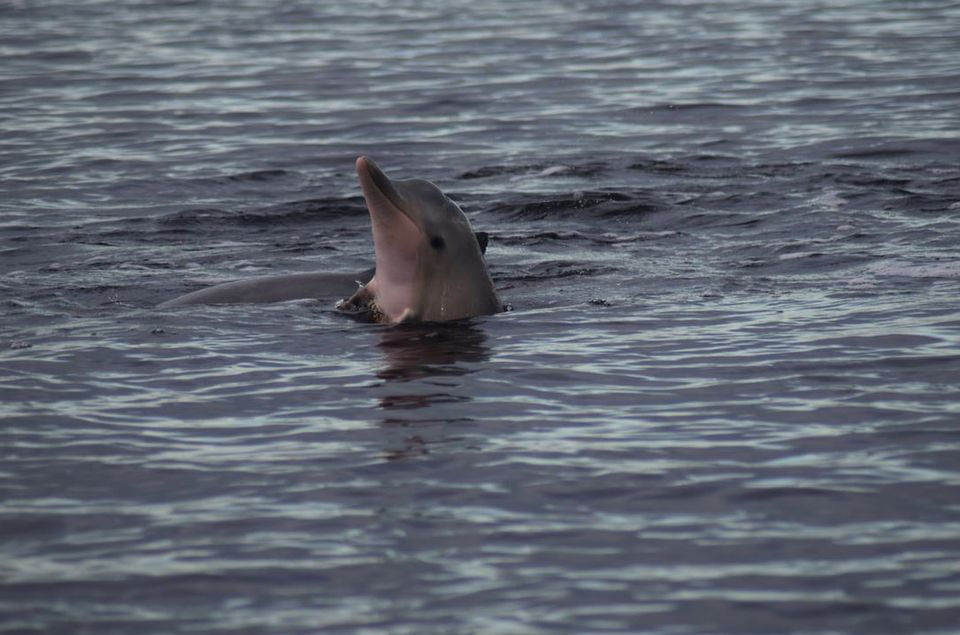
The Commewijne is one of Suriname’s most important rivers. Along its banks you’ll find mangrove forests and an abundance of flora and fauna. You’ll pass old forts, including Fort Nieuw Amsterdam. During the boat trip, animals such as monkeys, tropical birds and caimans are regularly spotted. With a bit of luck, you might even spot the pink dolphin! This is the ‘Guiana River Dolphin’, also known as the Profusu dolphin. The Profusu is small, has a pink belly and a pointed snout, and therefore looks somewhat different from the ‘ordinary’ dolphin. A visit to one of the plantations in the Commewijne area is highly recommended. A number of plantations, such as Peperpot, Bakki Plantation, Mariënburg Plantation and Frederiksdorp, have been restored to their former glory. A visit to one of these plantations will teach you more about colonial history. A highlight of the trip could be a visit to the former Frederiksdorp sugar cane and cocoa plantation, where visitors can learn more about Suriname’s colonial history and the traditional way of life on the plantations.
Sotalia dolphin spotting
From the Commewijne, you can head upriver in a korjaal (a typical narrow Surinamese boat). You’ll be taken to the estuary where the Commewijne and the Suriname River converge before flowing into the Caribbean Sea. With a bit of luck, you’ll spot one of the rarest dolphin species in the world here: the Sotalia dolphin. You’ll be sailing through the habitat of this remarkable dolphin, which is found only in the Guianas.
Would you like more information?
Would you like to read more about Suriname, Paramaribo and our travel experiences? Read all about it on our blog
Unique accommodation
-
Royal Torarica

The Royal Torarica Hotel is described as the most luxurious hotel in Paramaribo. The hotel is situated close to the historic centre of Paramaribo, yet overlooks the Suriname River and boasts a lovely garden that connects the hotel and its terrace with swimming pool to the riverbank. Here you will find a warm and welcoming atmosphere and excellent service combined with authentic Surinamese luxury.
-
Villa Famiri

The boutique hotel Villa Famiri is a charming and cosy hotel situated just outside the centre of Paramaribo in the quiet residential neighbourhood of Rainville. The hotel is housed in a former minister’s residence. At Villa Famiri, you can retreat from the hustle and bustle of the city and cool off from the heat in the small swimming pool.
-
Houttuyn Wellness River Resort

The Houttuyn Wellness River Resort is situated about 20 minutes outside Paramaribo, surrounded by nature, on the banks of the Surinamer River. Lovers of comfort, nature, freedom and relaxation have come to the right place. You’ll stay in a Cabana or a Luxury Bamboo Glamping tent, both of which are built using natural materials so that the resort blends seamlessly into its natural surroundings.
Fancy a trip of Suriname?
Would you like to organise your own trip of Suriname and are you curious about the options? Then do take a look at the trip we’ve put together for inspiration. You can book this trip directly, but we’d also be happy to put together a personalised itinerary based on your wishes and ideas.
Do you have a question? Please feel free to contact us. Call +31 73 610 62 04 or send an email to info@sapapanatravel.nl. We’ll be happy to help.