
Lakes and volcanoes in Chile
Impenetrable primeval forests and deep blue lakes
In the Lake District, enjoy the vast, largely impenetrable forests, crystal-clear rivers and deep blue lakes. A special region for nature and outdoor sports enthusiasts, offering activities such as hiking, kayaking and, of course, fly fishing. It is also the land of the Araucanos or Mapuche culture, making it an important centre for Chilean culture.
Discover the Lake District
-
Active in Pucón
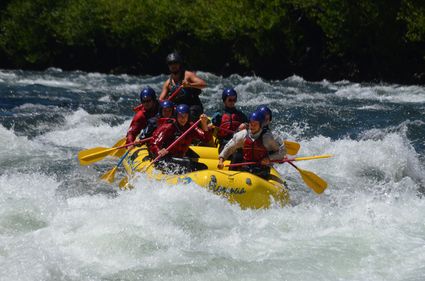
Situated in lush green surroundings amongst various nature parks, Pucón is the hub for outdoor activities in the Lake District. These include mountain biking, rafting, hiking and climbing the Villarica volcano.
-
Mapuche Indians
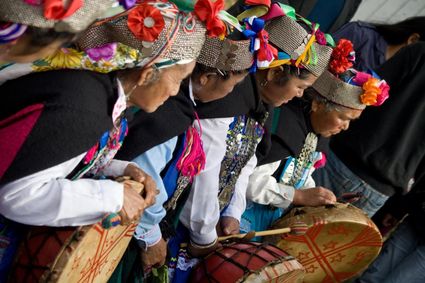
The indigenous people of this region are the Araucanos or Mapuche. Today, around 3,000 small communities still live in this area. They continue to practise a large number of traditional rituals linked to their view of the cosmos and the theme of fertility.
-
Conguilio National Park
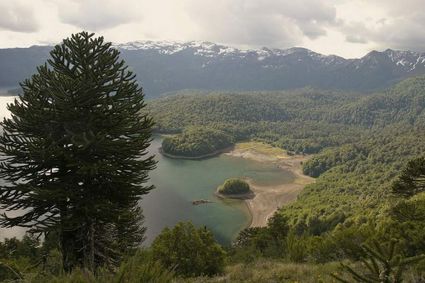
This park is situated near the town of Temuco in the north of the Lake District. The park’s name is derived from a word in the Mapuche language meaning ‘water with Araucaria seeds’. The Llaima volcano, the Sierra Nevada, lava flows, lakes and beautiful forests of Araucaria and Nothofagus trees all contribute to the park’s beauty.
-
Staying overnight at Vira Vira
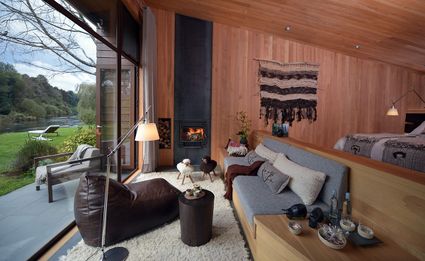
The Vira Vira hotel is truly special! As well as being a beautiful, luxurious hotel with a very pleasant atmosphere, the estate is also home to a genuine dairy farm that meets all ecological standards. You’ll be able to taste the cheese and dairy products produced here later on in the fantastic local dishes prepared for you.
Chile’s Lake District
Chile’s Lake District is an enchanting area situated in the ‘La Araucanía’ and ‘Los Lagos’ regions. The Lake District comprises 12 large lakes and at least as many smaller ones, interspersed with rivers, waterfalls, forests, thermal springs, the Andes Mountains and six volcanoes, the highest of which is Villarica (2,847 metres). It is a sparsely populated region with a Northern European climate. Summers here can be very pleasant. In terms of landscape, it is sometimes compared to Switzerland. It certainly shares some similarities, yet it also has a distinct identity of its own. The towns of Puerto Varas and Puerto Montt are popular gateways to the lake district.

History
The history of the lake district dates back to pre-Spanish times. The area was originally inhabited by the indigenous Mapuche people. In the 16th century, the area came under the control of Spanish explorers. During the colonial period, the Mapuche and the Spaniards frequently clashed, particularly as the Spaniards established settlements scattered across the region. In the 19th century, more European immigrants arrived in the Lake District, mainly Germans, who settled in towns such as Frutillar and Puerto Varas. They brought with them culture, architecture and agricultural techniques, which are still evident in this region today.
The Lake District is now a major tourist region in Chile, attracting visitors from all over the world every year.
Climate
The lake district has four seasons. Spring runs from September to November. During these months, temperatures are mild and there can be regular showers. In spring, nature comes into its own, with colourful flowers and beautiful, green landscapes.
Summer runs from December to February. It can get pleasantly warm, making it a perfect season for tourists. Thanks to the sunny, warm days, visitors can enjoy many activities in the region, but water sports are particularly popular.
Autumn in the Lake District falls between March and May, bringing with it cooler temperatures. The leaves on the trees turn beautiful colours, with various shades of red, orange and yellow. This creates stunning landscapes. Autumn is perhaps the most beautiful season in the Chilean Lake District.
In winter, from June to August, it can get cold in the Lake District. Snowfall is not uncommon in the higher-altitude areas. In winter, the Lake District is transformed into a ski destination, where people can enjoy a variety of winter sports in the mountains.
The Mapuche
The Mapuche are an indigenous people who live mainly in the Lake District (primarily in Araucanía, Biobío and Los Lagos). They have a deeply rooted cultural identity. They have a strong connection to their land and lead a traditional way of life that is closely linked to nature. The Mapuche are known for their resistance against the Spanish colonisers. Fortunately, despite the long-standing conflicts and the formation of independent Mapuche communities, they have managed to preserve their culture and associated traditions, such as their religion, language, ceremonial practices and local crafts. Although there are several Mapuche communities, they all speak the same language, Mapudungun, which is not an officially recognised language in Chile.
Today, the Mapuche form an important part of society, with a focus on preserving their cultural heritage and rights as an indigenous people. They play an active role in (local) politics and continue to fight for land rights, recognition and cultural autonomy.

Driving through Chile’s Lake District
Chile’s Lake District is ideal for a road trip, especially if you prefer to cover shorter distances each day. Drive past lakes, through dense forests and take in the views of impressive mountain peaks covered in eternal snow. Along the way, you can stop off in picturesque villages or take part in outdoor activities. During stops in places such as Puerto Varas, Frutillar and Pucón, you can enjoy local cuisine, visit craft markets or explore some historical sights.
Generally speaking, the roads in the Lake District are well maintained, particularly the access roads to the most popular attractions.
A popular route is the “Ruta de los Siete Lagos” (The Route of the Seven Lakes). This route takes you past picturesque lakes as you wind your way through dense forests. The Carretera Austral, the legendary route that takes you through the wilderness of Patagonia, also starts in the Lake District.
Towns in the Lake District
The lake district is home to several villages and towns that are well worth exploring:
Puerto Varas
Puerto Varas, also known as the ‘city of roses’, is a charming little town situated on the shores of Lake Llanguihue. Its German-style architecture and colourful flower gardens add to the town’s charm. The views of the surrounding mountains and volcanoes from Puerto Varas are stunning.
Pucón
The town of Pucón is situated on the shores of Lake Villarrica, at the foot of the Villarrica volcano of the same name. There is a lively atmosphere with cosy cafés and restaurants. At the craft markets, you can enjoy local dishes and buy traditional souvenirs. In summer, it’s lovely to visit the beautiful beaches by the lake to relax or take part in water sports.
Frutillar
Like Puerto Varas, this picturesque village has many German influences; for example, it is home to the ‘Museo Colonial Alemán’. There are many historic buildings well worth visiting. Frutillar is known for the famous Teatro del Lago, a modern cultural centre surrounded by mountains and water. All sorts of concerts, plays and festivals are organised here throughout the year. Frutillar is also a great destination for food lovers, with local specialities such as kuchen (a German speciality) and seafood dishes served at various venues.
Places of interest
The Chilean Lake District is vast, and there are numerous stunning sights scattered throughout the region. We have listed some of these sights for you:
Lake Llanquihue
Lake Llanguihue is situated in the Los Lagos Region. From the lake, you can enjoy breathtaking views of the surrounding mountains and the Osorno and Calbuco volcanoes. The lake covers an area of around 860 km², making it the second-largest lake in Chile. There are various activities available on and around the lake, including sailing, kayaking and fishing. The mountains surrounding the lake also offer plenty of opportunities for hiking and mountaineering.


Vicente Pérez Rosales National Park
This is Chile’s oldest national park and is also situated in the Regíon de los Lagos. Covering an area of over 2,000 km² and boasting a varied landscape of impressive waterfalls, dense forests and crystal-clear lakes, it is a paradise for nature lovers and adventurers, offering numerous walking and trekking opportunities to explore the unspoilt natural environment. The Vicente Pérez Rosales National Park is also home to two major attractions: the Osorno volcano and the Petrohué waterfalls.
Osorno volcano
This volcano is one of the icons of Chile’s Lake District. Standing at 2,652 metres, it is a stratovolcano with a perfect conical shape, making it a distinctive peak in the Chilean landscape. Although the volcano is still active, it has not had any significant eruptions since the late 19th century. On and around the volcano, there are various walking trails leading to viewpoints from which you can enjoy panoramic views of the surrounding area. During the winter months, the nearby ski resorts are popular for skiing and snowboarding.


Petrohué Waterfalls
The Petrohué Waterfalls are formed by the Petrohué River as it carves its way through a gorge of volcanic rock, creating a series of rapids and waterfalls. The river’s turquoise-blue water contrasts with the dark rock, creating a magnificent spectacle of colour and movement. There are well-maintained paths leading to viewing points, so you can enjoy the waterfalls up close.
Conguillío National Park
Conguillío National Park is situated in the north of the Lake District, near the town of Temuco. The park is home to the still-active Llaima volcano. The park also features the Sierra Nevada, various lava flows, numerous lakes, beautiful woodlands and Lake Conguillío. What makes the park special is the presence of Araucaria and Nothofagus trees, which characterise the landscape.
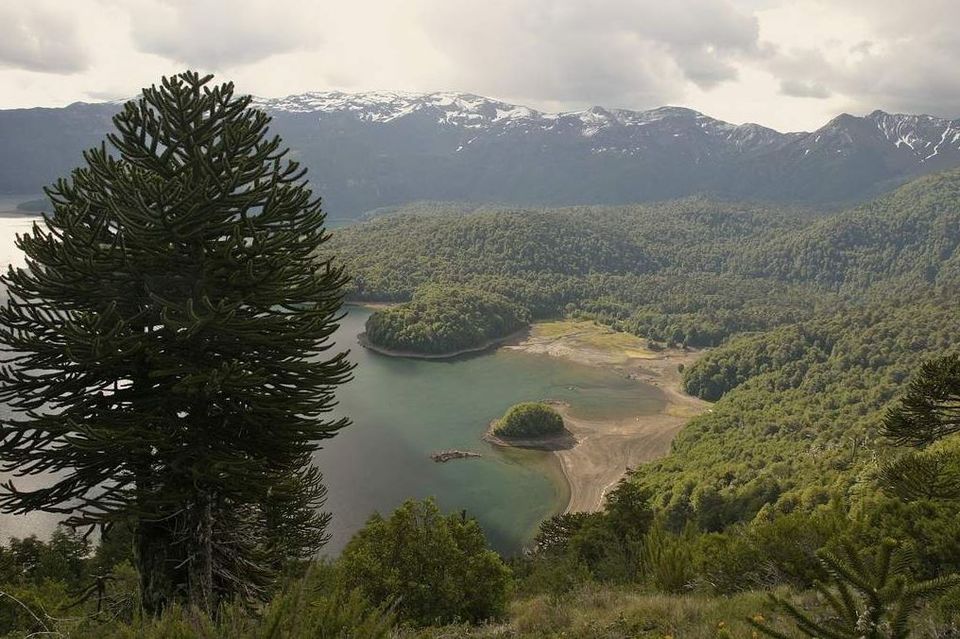
Villarrica National Park
This National Park is situated in the Araucanía Region and is named after the Villarrica volcano, which is located within the park. The Villarrica volcano is one of Chile’s most active volcanoes and occupies a prominent place in Villarrica National Park. The 63,000-hectare park is home to a diverse ecosystem, featuring native flora and fauna. The Araucaria tree (also known as the monkey tree) is one such example.
Puyehue National Park
This National Park is also situated in the Regíon de los Lagos and comprises a varied terrain, ranging from mountainous landscapes to vast valleys and rivers. One of the highlights of the National Park is its geothermal hot springs.


Thermal baths
The region is home to various thermal baths with naturally heated waters. These thermal baths are wonderful for relaxation and are said to have healing properties. Examples of these thermal baths include the Termas Geométricas, Termas de Puyehue and Termas de Pucón.
Sollipulli Glacier
The Sollipulli Glacier is less well-known than most of the attractions in the lake district. It forms part of the Sollipulli volcanic complex, which consists of a central crater surrounded by several dome-shaped glaciers. The glacier covers an area of 18 km² and is an impressive sight with its glistening ice fields and jagged peaks. Not only the glacier itself, but also the surrounding area is stunning, featuring mountain lakes, volcanoes and lush forests. Due to its remote location and rugged terrain, getting there is quite an adventure!


Huilo Huilo Biological Reserve
The Huilo Huilo Biological Reserve is a remarkable area best known for its rainforests and unique biodiversity. The area covers more than 100,000 hectares and is one of Chile’s best-preserved ecosystems. It is home to native animals such as the rare Andean condor, pumas and puyen (an endemic species of fish). The area is also widely known to the general public for its unique accommodation options, of which the Montaña Magica Lodge is the best known. The Nothofagus Hotel & Spa also features a distinctive architectural style.

Montaña Magica Lodge

Nothofagus Hotel & Spa
Unique accommodation
-
AWA Hotel
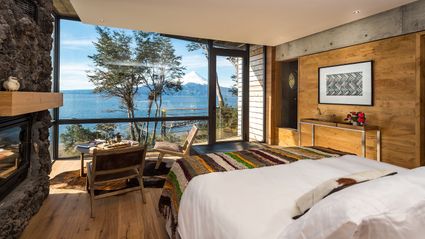
The AWA Hotel is an absolute must-stay. This small-scale hotel has just 16 rooms and is situated in breathtaking surroundings in Puerto Varas, right on the shores of Lake Llanquihue with views of the Osorno volcano. The AWA Hotel features modern architecture and a strong focus on sustainability. The stylish rooms offer a high level of comfort.
-
Futangue Lodge
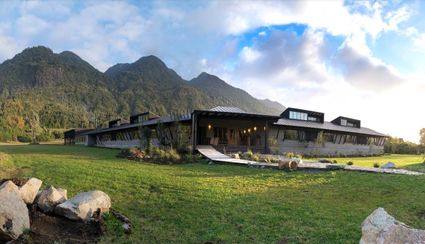
The Futangue Lodge is an exclusive eco-lodge situated on the shores of Lake Ranco in the beautiful Futangue Park (Los Ríos region). The lodge has been designed to blend seamlessly into its surroundings, whilst ensuring you can enjoy the environment to the full. The rooms have a natural and tranquil atmosphere, allowing you to unwind completely. Find out more about the Futangue Lodge.
-
Cumbres Puerto Varas
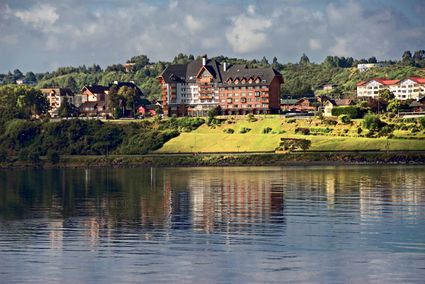
The luxury Cumbres Puerto Varas hotel is situated on the shores of Lake Llanquihue and is renowned for its stunning views of the lake and the surrounding mountains and volcanoes. You’ll receive a warm welcome and the atmosphere in the hotel is pleasant. The rooms and suites are spacious and equipped with all modern amenities. As well as the comfortable rooms, the hotel offers a lovely spa, an indoor swimming pool and a good restaurant. Thanks to its convenient location, Cumbres Puerto Varas is the perfect base from which to explore the region!
-
Solace Hotel, Puerto Varas
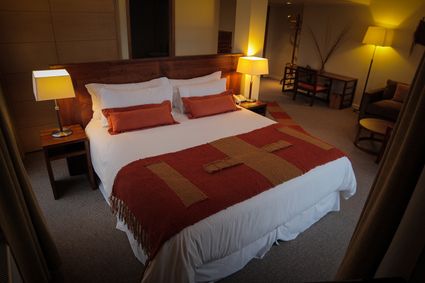
This modern and comfortable hotel is situated on the shores of Lake Llanquihue. Thanks to its relaxed and welcoming atmosphere and high-quality facilities, staying at this hotel is a real pleasure. The comfortable rooms offer stunning views of the lake or the surrounding mountains. The hotel is within walking distance of the centre of Puerto Varas, putting restaurants and craft markets within easy reach.
Fancy a trip of Chile?
Would you like to organise your own trip of Chile, including a visit to the Lake District, and are you curious about the options available? Then do take a look at the itineraries we’ve put together for inspiration. You can book these tours directly, but we’d also be happy to put together a personalised itinerary based on your wishes and ideas.
Do you have a question? Please feel free to contact us. Call +31 73 610 62 04 or send an email to info@sapapanatravel.nl. We’ll be happy to help.